
Blooming
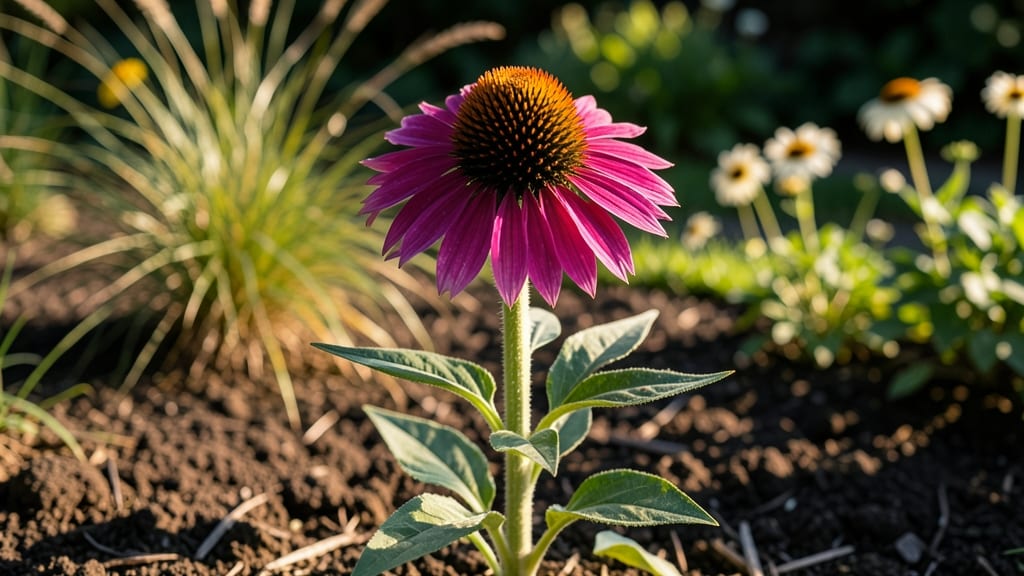
Summer-blooming perennials like coneflowers, black-eyed Susans, and daylilies thrive in heat with bold colors and minimal care, returning yearly while supporting pollinators and needing little winter protection.
These hardy plants have evolved to handle summer's intensity through deep root systems that access moisture and waxy leaves that reduce water loss. 🌡️ I've seen coneflowers maintain their vibrant purple blooms through 90°F heatwaves while still attracting bees and butterflies.
Their drought tolerance makes them perfect for water-conscious gardens, though they do appreciate occasional deep watering during extreme dry spells. The key to their success lies in their ability to store water efficiently while continuing to produce flowers throughout the season.
Their low-maintenance nature extends beyond drought resistance. Many summer perennials like shasta daisies and bee balm self-seed, creating natural drifts that multiply each year. This means less work for gardeners while still delivering stunning visual impact.
What's particularly rewarding is watching these plants become the backbone of your garden's ecosystem, supporting local wildlife while requiring minimal attention from you.
💡 In This Article
- How Summer-Blooming Perennials Survive Heat and Drought
- Best Summer Perennials by Color, Height, and Pollinator Appeal
How summer-blooming perennials survive heat and drought
Summer perennials have evolved remarkable biological adaptations to thrive in intense heat. Their deep root systems can extend 3-5 feet underground, accessing moisture that shallow-rooted annuals can't reach.
This allows plants like black-eyed Susans to survive through weeks without rainfall, while their waxy leaf coatings reduce water loss through transpiration by up to 40% compared to non-adapted species.
The thick cuticles on leaves like those of daylilies create a protective barrier that reflects sunlight and prevents wilting, even when temperatures exceed 95°F.
Another key adaptation is their ability to enter a semi-dormant state during extreme heat. Plants such as coneflowers slow their metabolic processes, conserving energy while maintaining just enough activity to keep their roots alive.
This survival mechanism explains why they remain green and healthy through summer's peak, unlike many annuals that bolt or fade. The deep purple blooms of coneflowers actually contain pigments that help dissipate excess heat energy, a trait shared with other heat-tolerant species like Russian sage.
Soil type plays a crucial role in their resilience. These perennials thrive in well-draining soils that prevent waterlogging, which can suffocate roots during sudden summer rains. Sandy or gravelly soils are ideal because they allow excess water to drain quickly while still retaining enough moisture for deep roots.
I've observed that adding 2-3 inches of organic mulch around the base helps maintain soil moisture while regulating temperature fluctuations near the roots - a technique that mimics their natural prairie habitats.
What most gardeners don't realize is how these plants' flowering strategies contribute to their survival. Many summer perennials produce flowers on new growth, allowing them to continue blooming even when older foliage shows signs of stress.
The black-eyed Susan, for example, can produce 50-100 flowers per plant throughout the season, with each bloom lasting 7-10 days. This extended flowering period provides continuous nectar for pollinators while maintaining the plant's energy reserves through photosynthesis.
Light exposure is another critical factor in their success. Most summer perennials require full sun (6-8 hours daily), which they use to maximize photosynthesis during the growing season. The intense sunlight actually helps strengthen their cell walls, making them more resistant to heat stress.
In my own garden, I've noticed that daylilies planted in full sun produce 20-30% more blooms than those in partial shade, despite requiring less water.
These adaptations make summer perennials particularly well-suited for modern gardens where water conservation is important.
Their ability to thrive with minimal irrigation - often just 1 inch of water per week during peak summer - while still providing vibrant color and ecological benefits makes them the perfect choice for sustainable landscaping.
The trade-off is that they may need more frequent watering during their establishment year (1-2 years), but after that, they become virtually self-sufficient.