
Blooming
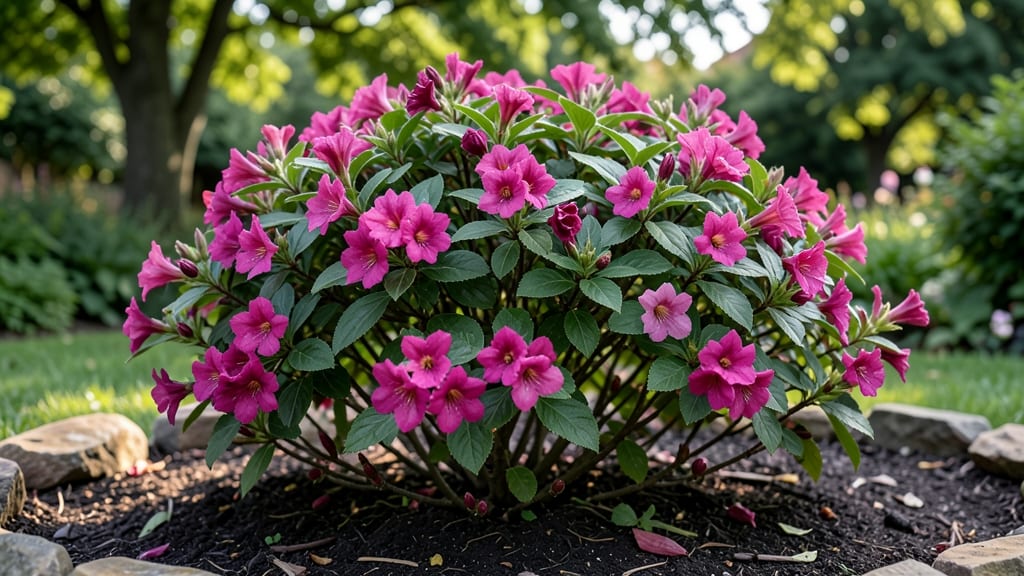
Sonic Bloom Weigela in winter isn’t just about survival—it’s about setting up next year’s vibrant pink explosions of color. 🌸 I’ve learned the hard way that skipping winter prep means leggy, sparse blooms by spring, but with the right cuts and protection, your plant will bounce back stronger than ever.
The key is late-winter pruning (after the last frost but before new growth). Cut back one-third of the oldest stems to encourage fresh, bushy growth—think of it like giving your Weigela a haircut for the season ahead.
Wrap the base with burlap if your zone dips below 15°F, and avoid heavy mulch that can suffocate roots. You’ll see the difference in April, when your Weigela bursts into bloom instead of struggling with weak stems.
The flowers stay longer, the plant stays compact, and you avoid the heartbreak of frost-nipped buds. Works for zones 4-8, but even in colder areas, a little winter prep means foolproof spring color. Let’s get those shears ready!
📚 In This Guide
- What you need
- Instructions
- Tips and common mistakes
- Wrapping up and next steps
What you need
- ● Pruning shears: Bypass pruners (sharp, sterilized with rubbing alcohol) – 1 pair (for small branches).
- ● Loppers: Heavy-duty, 18–24" (for thicker stems) – 1 pair.
- ● Garden gloves: Cut-resistant, waterproof (size medium/large) – 1 pair.
- ○ Disposable pruning saw: (for stubborn, woody stems) – 1 (optional but handy).
- ● Rubbing alcohol (70%+) or bleach solution: (1 part bleach : 9 parts water) – small bottle (for sterilization).
- ● Marking twine or flags: (colored twine or plant tags) – small roll (to tag cuts if needed).
- ● Garden hose or bucket: (for rinsing tools) – 1.
- ● Pruning sealant: (for large cuts > ½") – small tube (reduces disease risk).
- ● Hand lens/magnifier: (to inspect buds closely) – 1.
- ● Notebook & pencil: (to sketch pruning plan) – 1.
- ● Mulch (shredded bark or straw): (2–3" layer post-pruning) – 5–10 gallons.
- ● Winterizing fertilizer: (balanced 10-10-10 or slow-release) – small bag (apply post-pruning).
- ● ✅ Weather check: Prune on a dry, calm day (avoid frost or rain within 24 hours).
- ● ✅ Tool prep: Sharpen blades and sterilize tools before first cut.
- ● ✅ Safety gear: Wear gloves and protective eyewear if branches are dense.
- ● ✅ Plant health: Ensure Weigela is dormant (late winter/early spring, before buds swell).
Step-by-Step instructions for winter pruning of Sonic Bloom Weigela
Here’s how to revive your Sonic Bloom Weigela’s vibrant blooms—starting with winter’s dormant season.
✂️ Step 1: Time Your Prune Correctly
Wait until late winter, after the last hard frost but before new growth starts. For most climates, this means February to early March. You’ll know it’s time when the plant looks completely dormant—no buds swelling, no green peeking from the stems. Pruning too early risks cold damage; too late, and you’ll cut off next year’s flowers.
I like to prune on a warm, sunny day when temperatures are above 40°F. This helps the plant recover faster. Grab your pruners and a bucket to collect clippings—you’ll be removing a lot of old wood. If your Weigela is overgrown, expect to cut back one-third to one-half of the plant’s height.
✂️ Step 2: Remove Dead or Damaged Wood
Start by inspecting the plant for dead, diseased, or crossing branches. These are your first targets—they steal energy from healthy growth. Use clean, sharp pruners to make 45-degree cuts just above a leaf node or outward-facing bud. This encourages new growth in the right direction.
Look for branches that are brown, brittle, or hollow—these won’t bloom and can harbor pests. If a branch is completely dead, cut it back to the main stem. For diseased wood, sterilize your pruners with rubbing alcohol between cuts to prevent spreading. You’ll notice the plant’s structure become more open and airy as you work.
✂️ Step 3: Shape for Next Season’s Blooms
Sonic Bloom Weigela flowers on new wood, so aggressive pruning isn’t just safe—it’s necessary for those pink and red blooms you love. Cut back the oldest stems by half, focusing on the center of the plant first. This forces energy toward the outer branches, where you’ll see the most vibrant flowers in spring.
Step back often to check your work. The goal is a rounded, open shape with no crowded branches. Avoid leaving stubs—always cut just above a bud or leaf. If you’re unsure where to cut, imagine the plant as a clock: prune the oldest growth first, then work outward. You’ll see new shoots emerge from the sides in early spring.
☀️ Step 4: Clean Up and Protect
After pruning, remove all clippings from the garden to prevent disease. If you compost, bag the debris first—Weigela can host fungal spores. Now’s also the time to mulch around the base with 2-3 inches of organic mulch (like shredded bark or pine needles) to insulate roots and retain moisture.
Give your Weigela a light fertilizer with balanced NPK (10-10-10) in early spring to jumpstart growth. Avoid heavy fertilizing now—it can encourage tender new growth that might get damaged by late frosts. Water deeply if winter has been dry, but hold off until you see new buds forming in late winter.
⏰ Step 5: Monitor for New Growth
In 4-6 weeks, you’ll start seeing pink or green buds along the pruned stems. This is your signal that the plant is responding well. If growth is slow, check for adequate sunlight—Weigela needs full sun (6+ hours daily) to bloom its best. If your plant is in partial shade, consider moving it or supplementing with a reflective surface to bounce light.
Watch for aphids or spider mites on new shoots—these pests love tender growth. Spray with neem oil if you spot them early. By early spring, your Sonic Bloom Weigela should be bursting with energy, ready to reward you with weeks of vibrant blooms. The key is patience—winter pruning sets the stage for a showstopper summer display.
Tips & tricks for perfect winter pruning of Sonic Bloom Weigela
These simple strategies will help you avoid common mistakes and maximize your Weigela's blooming potential.
Timing is Everything: The February to early March window is critical—this is when the plant is fully dormant but hasn't started its spring growth yet. I've learned the hard way that pruning too early can damage tender new buds forming just below the surface, while waiting too long means you'll cut off next year's flowers. Check for completely dormant stems (no green peeking) and wait until temperatures consistently stay above 40°F during the day.
Pruning Technique Matters: When making those 45-degree cuts in Step 2, always cut just above a leaf node or outward-facing bud. This isn't just about aesthetics—it's how you encourage new growth in the right direction. I like to think of it like directing traffic: you're telling the plant where to send its energy. For stubborn branches, use a small saw if your pruners struggle, but always make clean cuts to prevent tearing.
Cleanliness Prevents Problems: Sterilizing your pruners between cuts (especially when dealing with diseased wood) is non-negotiable. I keep a small bottle of rubbing alcohol handy and wipe down blades after every 3-4 cuts. This simple step prevents spreading fungal spores that could turn your vibrant blooms into a sad, brown mess. Also, remove all clippings from the garden area—don't compost them directly, as Weigela debris can harbor diseases that overwinter.
Shape with Purpose: When you're shaping the plant in Step 3, think about airflow as much as appearance. The goal is a rounded, open shape that allows sunlight to penetrate all the way to the center. I imagine creating a "bowl" shape—this helps prevent fungal issues and ensures even blooming. If your Weigela looks like a Christmas tree after pruning, you've gone too far in the center and need to open it up more.
Pro Tips for Sonic Bloom Weigela In Winter
- These simple strategies will help you avoid common mistakes and maximize your Weigela's blooming potential.
- Timing is Everything: The February to early March window is critical—this is when the plant is fully dormant but hasn't started its spring growth yet.
- Pruning Technique Matters: When making those 45-degree cuts in Step 2, always cut just above a leaf node or outward-facing bud.
Frequently asked questions
Got questions about keeping your Sonic Bloom Weigela thriving through winter? You’re not alone! Here are some of the most common queries—plus straightforward answers to help you master winter care and pruning like a pro.
Does Sonic Bloom Weigela bloom in winter?
The Sonic Bloom Weigela is known for its late spring to summer blooms, but it’s not a winter-flowering shrub. However, its vibrant foliage and sturdy structure make it a standout in winter landscapes. Pruning in late winter (before buds swell) ensures healthier spring blooms and keeps the plant tidy for the colder months.
How cold can Sonic Bloom Weigela tolerate?
This hardy shrub thrives in USDA Zones 4-8, meaning it can handle temperatures as low as -30°F (-34°C) with proper care. In colder climates, mulching the base and avoiding winter pruning (which can stimulate new growth) will help it survive. Evergreen varieties like Sonic Bloom also retain some color, adding winter interest!
When is the best time to prune Sonic Bloom Weigela for winter?
The ideal window is late winter to early spring (just as buds begin to swell). Avoid pruning in fall or deep winter, as this can leave the plant vulnerable to cold damage. Focus on removing dead or crossing branches and shaping lightly—never cut into old wood, as this reduces next year’s blooms.
What if my Sonic Bloom Weigela looks leggy after winter?
Leggy growth often happens if the plant wasn’t pruned properly in late winter. To fix it, prune back 1/3 of the oldest stems in early spring, cutting just above a pair of healthy buds. This encourages new, bushier growth while preserving next year’s flowers. Avoid heavy pruning in fall—it can stress the plant before winter.
Are there winter-hardy alternatives to Sonic Bloom Weigela?
If you love Sonic Bloom but want even more winter resilience, consider these low-maintenance, cold-tolerant shrubs:
- Winter Gem Boxwood – Evergreen, drought-tolerant, and thrives in Zones 5-9.
- Dwarf Fothergilla – Stunning fall foliage and fragrant spring blooms; hardy to Zone 4.
- Inkberry Holly – Glossy, year-round greenery and berries; perfect for Zones 5-8.
- Ninebark (e.g., ‘Diablo’) – Tough, colorful stems, and blooms in spring; Zone 3-8.
All of these offer structure and color even when Sonic Bloom is dormant!
Wrapping up and next steps
Discovering the Sonic Bloom Weigela’s winter charm is all about timing, technique, and a little patience! With the right pruning strategies, you’ll unlock vibrant blooms year-round while keeping your plant healthy and thriving.
Remember, late winter or early spring is your sweet spot—cut back with confidence, and watch your Weigela reward you with a dazzling display of color.
Ready to transform your garden? Grab your pruners, roll up your sleeves, and give your Sonic Bloom Weigela the care it deserves! Start planning your next pruning session—your future floral masterpiece is just a few snips away! 🌸✂️