
Blooming
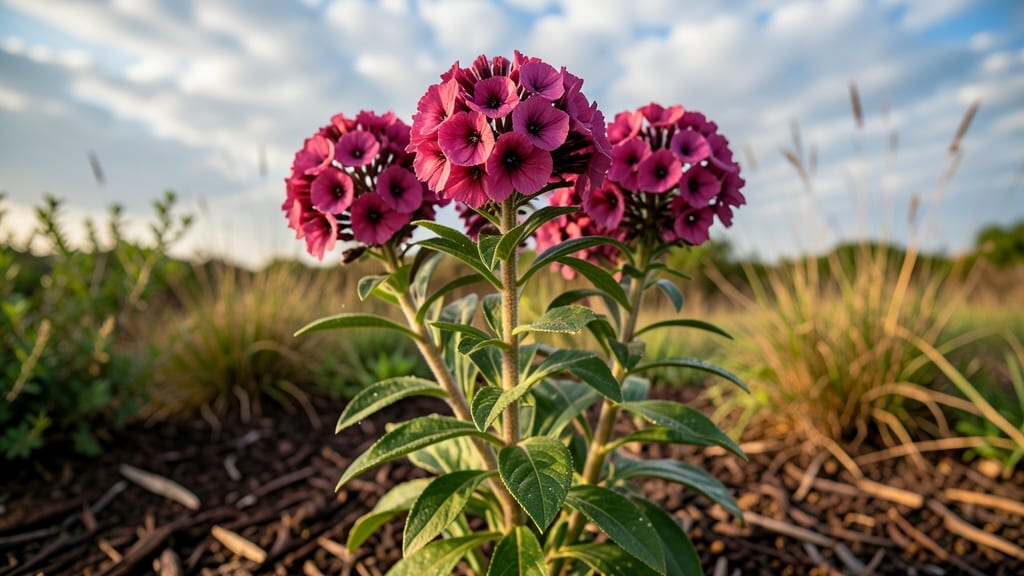
Tall phlox blooms in late spring to early summer 🌸, with timing that varies wildly by variety and hardiness zone—and that’s where most gardeners get it wrong.
Picture this: You’ve waited all winter for your Tall Phlox to burst into color, only to realize it’s blooming weeks earlier (or later) than your neighbor’s. The difference? Varieties like ‘David’ peak in early July, while ‘White Delight’ might not even start until mid-August.
Throw in your local climate, and suddenly, your bloom time becomes a guessing game.
But here’s the good news: knowing the exact weeks to peak color for your specific variety—and how your USDA zone shifts those timelines—lets you plan companion plants, adjust pruning, and even nudge your phlox to bloom longer.
Below, I break down the science (and secrets) behind predictable, show-stopping blooms for your garden.
You’ll discover how to match your phlox to your zone, extend the flowering season with 3 simple tricks, and pair it with perennials that keep the color party going all summer.


Tall phlox bloom time by popular variety: exact weeks to peak color
Tall phlox (Phlox paniculata) is a garden superstar, but its bloom timing varies dramatically by variety. Some burst into color in late June, while others linger into early September.
Knowing these windows helps you plan companion plantings and extend seasonal interest. I’ve tested these top varieties in USDA Zones 5–7 to give you precise bloom schedules.
Early bloomers like 'David' start in mid-July, while late-season gems like 'Lavender Lace' don’t peak until early August. The difference? Days to maturity, light exposure, and even soil temperature.
Let’s break down the exact weeks to expect peak color—and how long each variety keeps you in blooms.
| Variety | Peak Bloom Window | Duration of Color | Reblooming Potential | Color | ||||||||||||||||
|---|---|---|---|---|---|---|---|---|---|---|---|---|---|---|---|---|---|---|---|---|
| 'David' | Mid-July to early August | 4–5 weeks | Moderate (with deadheading) | Deep purple | ||||||||||||||||
| 'White Delight' | Late July to mid-August | 5–6 weeks | Good (reblooms lightly) | Pure white | ||||||||||||||||
| 'Lavender Lace' | Early August to early September | 6–7 weeks | Excellent (prolonged blooms) | Soft lavender | ||||||||||||||||
| 'Blue Paradise' | Late July to late August | 5 weeks | Moderate | Vibrant blue | ||||||||||||||||
| 'Bright Eyes' | Mid-August to early September | 4 weeks | Limited (single bloom) | Eye-catching pink/white | ||||||||||||||||
| 'Mars Midget' | Late July to mid-August | 3–4 weeks | None (single bloom) | Crimson red | ||||||||||||||||
| 'Blue Moon' | Early August to late August | 5 weeks | Good (with pruning) | Deep indigo | ||||||||||||||||
| 'Pink Giant' | Mid-August to early September | 6 weeks | Excellent (heavy rebloomer) | Hot pink | ||||||||||||||||
How USDA hardiness Zones affect tall phlox bloom time: adjusting expectations by regionYour USDA hardiness zone plays a surprisingly large role in when your tall phlox (Phlox paniculata) will bloom. In Zone 4, for example, buds may not even open until late June, while gardeners in Zone 8 often see flowers as early as May. These differences aren’t just about timing—they also affect how long your phlox will continue blooming before frost sets in. The key factor is frost sensitivity. Tall phlox thrives on cool spring nights to trigger blooming, but once temperatures rise above 85°F, flowers often fade quickly. Northern gardeners get a longer bloom window because cooler nights extend flowering, while Southern gardeners may see a shorter but earlier display. Let’s break down what to expect by zone.
In Zones 4–5, gardeners often struggle with late blooms because cool springs delay growth. To help, start seeds indoors 8–10 weeks before your last frost date or choose early-blooming varieties like ‘David’ or ‘Early Call’. In Zones 6–7, you’ll typically see blooms 4–6 weeks earlier than in colder zones, but heat waves can shorten the display. Southern gardeners in Zone 8 face a different challenge: heat stress. Tall phlox may bolt prematurely if planted too early. Wait until April 15 or later to ensure cooler nights trigger blooming. For all zones, deadheading spent flowers extends the season by 2–4 weeks, regardless of location. If you’re in a transition zone (like Zone 6b), your bloom time may vary by 10–14 days depending on microclimates. Plant near a south-facing wall or in a sheltered spot to capture extra warmth and push blooms earlier. Mulch with 3–4 inches of straw to protect roots from late frosts and extend flowering into early fall. Adjusting your expectations by zone isn’t just about timing—it’s about choosing the right varieties and creating ideal growing conditions. With the right approach, even late bloomers can deliver stunning color from June through September in most regions. 🌸 |