
Blooming
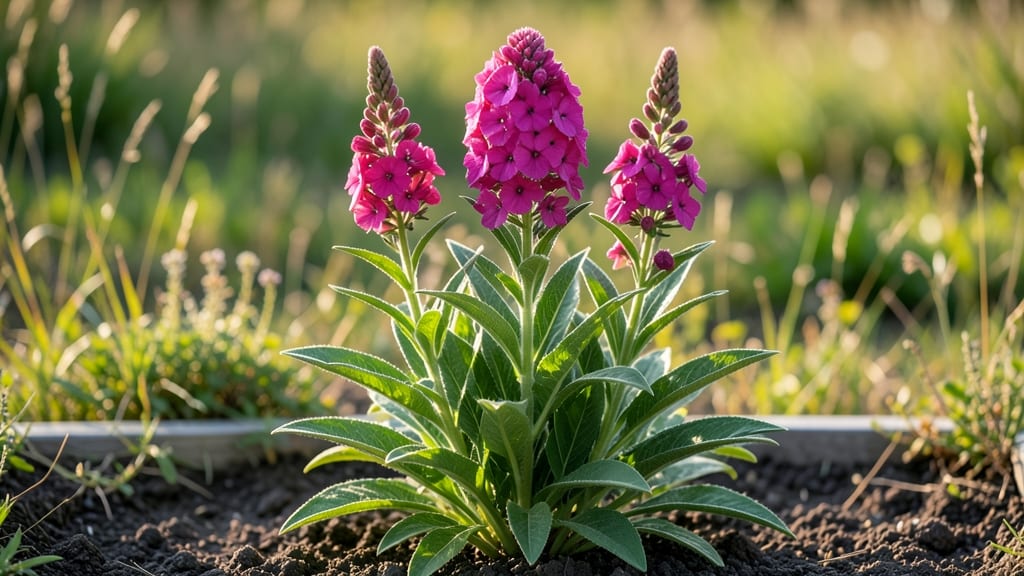
Phlox paniculata blooms bring vibrant summer color to gardens, and their bloom time depends on your zone, variety, and a few key care tricks.
If you’ve ever waited impatiently for your garden phlox 🌸 to burst into flower, you know timing is everything. A late frost or the wrong variety can push blooms weeks later than expected, leaving you scrambling to enjoy their show.
In Zone 6, most cultivars light up gardens in late June, but cooler zones may see them arrive as late as early August.
Understanding these patterns isn’t just about patience—it’s about planning. Whether you’re designing a border or simply hoping for a longer display, knowing when to expect those clusters of pink, purple, or white blooms helps you space varieties for a seamless summer transition.
Below, I’ll break down exactly when to expect flowers by zone, how to extend the season with simple care, and which varieties bloom earliest (or latest) so you can strategize for nonstop color.
Phlox paniculata bloom time by USDA hardiness zone: when to expect flowers
Phlox paniculata is one of the most beloved summer bloomers, but its bloom time shifts dramatically depending on your USDA hardiness zone. In cooler climates like Zone 3–4, expect flowers to arrive as early as late June, while gardeners in Zone 9 may see blooms stretch into September. Understanding these variations helps you plan for peak color and extend the season with the right varieties and care.
The key to predicting bloom time lies in your zone’s last frost date and the specific cultivar you choose. Early bloomers like ‘David’ start in Zone 5 by mid-June, while late varieties like ‘White Delight’ may not peak until August in Zone 7.
Even within the same zone, a 2–4 week difference can separate early and late varieties, so mixing types creates a nonstop summer display.
| USDA Zone | Early Bloom Window | Peak Bloom | Late Bloom Window | Notes |
|---|---|---|---|---|
| 3–4 | Late June | July–Early August | Early September | Cooler temps delay blooms; choose early varieties like ‘Lipstick’. |
| 5–6 | Mid-June | July–Mid-August | Late August | Ideal for ‘David’ and ‘Blue Paradise’; stake taller varieties. |
| 7–8 | Early June | June–September | Early October | Hot summers extend blooms; deadhead regularly for reblooms. |
| 9 | Late May | June–October | November (with care) | Longest bloom season; mulch to retain moisture. |
In Zones 3–4, where summers are short, focus on early-blooming varieties like ‘Lipstick’ or ‘Blue Moon’ to maximize your summer color window. These cultivars start flowering as soon as soil warms, often by late June, and continue until a hard frost in September.
Plant them in full sun with well-draining soil to encourage vigorous growth and earlier blooms.
Gardeners in Zones 5–6 enjoy the sweet spot for Phlox paniculata, with blooms typically spanning from mid-June to late August. This extended window allows you to mix early, mid, and late varieties for a seamless transition of color.
For example, pair ‘David’ (early) with ‘Blue Paradise’ (mid) and ‘White Delight’ (late) to create a continuous floral cascade.
Southern zones (7–9) experience the longest bloom periods, often from late May to October. The heat and humidity can stress plants, so prioritize deadheading and regular watering to keep flowers coming.
In Zone 9, some varieties like ‘Blue Ridge’ may even rebloom in fall if given proper care, turning your garden into a season-long spectacle.
To adjust planting for ideal displays, consider your zone’s last frost date. In Zones 3–4, start seeds indoors 8–10 weeks before last frost to ensure plants are established by early summer.
In warmer zones (7–9), you can plant seeds directly in early spring or even fall for a head start on blooms. Always space plants 12–18 inches apart to allow airflow and reduce disease risk.
One common mistake is assuming all Phlox paniculata bloom at the same time. In reality, variety selection is critical. For instance, ‘Blue Ridge’ blooms 2 weeks earlier than ‘White Delight’ in the same zone.
By staggering plantings, you can create a nonstop summer show that keeps your garden vibrant from June to October.
Extend your Phlox paniculata bloom time with simple care: deadhead spent blooms weekly to encourage new flowers, and fertilize lightly with a balanced 10-10-10 formula in early summer. Mulch around the base to retain moisture and protect roots from temperature swings.
In Zones 3–5, consider a lightweight row cover in late summer to shield plants from early frosts and prolong blooming.
If you’re in a short-season zone, opt for dwarf varieties like ‘Little Miss Pink’ or ‘Fire Sparkler,’ which bloom earlier and are less prone to flopping in windy conditions. These compact types also work well in containers, making them ideal for patios or balconies where space is limited.
Remember, Phlox paniculata thrives on consistent moisture but hates soggy soil. Water deeply once a week in Zones 3–6 and every 2–3 days in Zones 7–9 during heatwaves. Avoid overhead watering to prevent fungal diseases like powdery mildew, which can shorten bloom time dramatically.
🌸Top 5 Phlox paniculata varieties ranked by bloom time (earliest to latest)
Choosing the right Phlox paniculata varieties can transform your garden into a nonstop summer color show. The key? Planting a mix of early, mid, and late bloomers to extend your floral display from June through September.
Each cultivar has its own bloom window, height, and fragrance—so let’s dive into the top 5 performers ranked by when they burst into color.
For longer bloom seasons, pair these varieties strategically. For example, ‘David’ starts early while ‘Blue Paradise’ finishes late, creating a seamless transition of blooms. Below, I’ve rated each variety on height, fragrance, and reblooming ability to help you plan your dream garden layout.
If you’re in USDA Zone 5 or colder, expect blooms to start 2–3 weeks later due to cooler springs. For example, ‘David’ might not flower until late June or early July. To compensate, plant taller varieties like ‘Blue Paradise’ in sheltered spots where they’ll warm up faster.
For maximum fragrance, prioritize ‘Blue Paradise’ and ‘Lipstick’—both release a sweet, honey-like scent that attracts pollinators. Pair them with ‘White Delight’ for contrast, as its milder fragrance won’t overpower other plants. Deadhead spent blooms weekly to encourage reblooming, especially in hot, humid climates.
Pro tip: Stagger plantings by 2–3 weeks for a continuous bloom effect. For instance, plant ‘David’ in early spring (March) and ‘Jeana’ in late spring (May). This ensures your garden stays vibrant from June through September, even if some varieties fade early.
Ready to create a phlox-filled paradise? Start with these top 5 varieties, and don’t forget to mulch around the base to retain moisture during peak bloom season. Happy gardening! 🌿