
Blooming
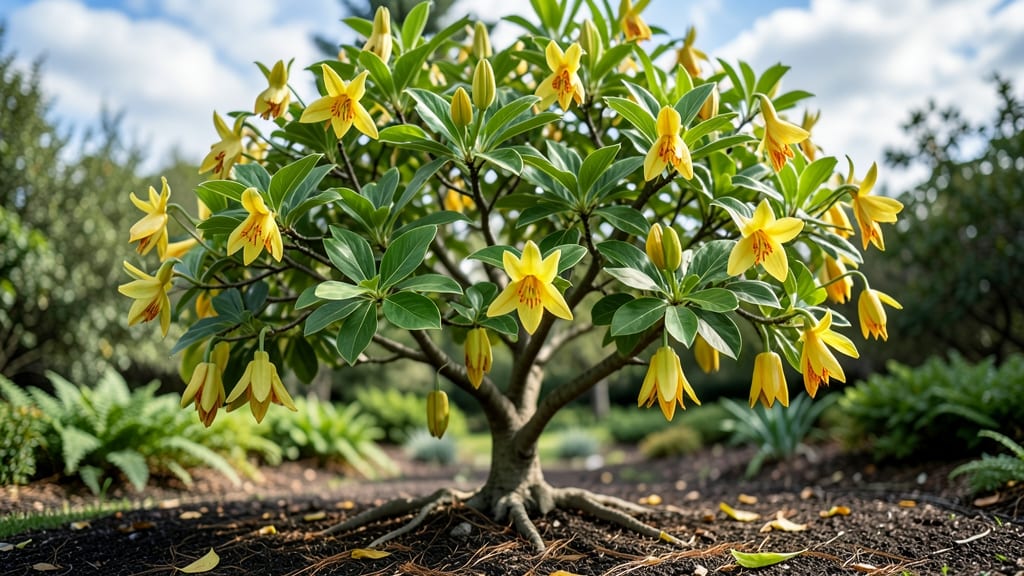
The tulip tree blooms in late spring, but its exact bloom time depends on heat zones and climate—meaning your neighbor’s tree might flower months before yours, and there’s a science to why.
If you’ve ever wondered why your tulip tree’s stunning yellow flowers appear months earlier or later than expected, the answer lies in heat zones—and understanding them could mean the difference between a disappointing wait and a breathtaking spring display.
In USDA Zone 6a, where these trees thrive, blooms typically arrive in May, but in cooler zones like 4, they may wait until June, while warmer zones like 8 might see them as early as April.
The key? Temperature triggers dormancy, and even a few degrees can shift the timeline.
Below, I’ll break down how to predict your tulip tree’s bloom time, spot early signs like bud swelling, and even nudge the schedule with smart care—so you’re ready when those iconic flowers finally make their grand entrance.
Tulip tree bloom time by USDA heat zones: what to expect
The tulip tree (Liriodendron tulipifera) is one of nature's most spectacular spring performers, but its bloom timing varies dramatically depending on your USDA heat zone.
In zone 5, you might see those iconic yellow-green flowers in early May, while gardeners in zone 9 could be admiring them as early as late February. These differences aren't random—they're tied to temperature cues that trigger dormancy and flowering.
Understanding your zone helps you set realistic expectations and even influence bloom timing with smart gardening practices.
For gardeners in cooler zones (3-5), tulip trees often bloom later because they require more chill hours to break dormancy. Meanwhile, trees in warmer zones (7-9) may flower earlier but can sometimes struggle with inconsistent blooming if summer heat arrives too soon.
The key is recognizing how your local climate interacts with the tree's natural growth cycle. Let's break down what to expect in each zone, so you can plan your garden around this magnificent tree's seasonal show.
Here's a quick look at how USDA zones 3-9 affect tulip tree bloom timing, including average bloom windows and what influences these variations:
| USDA Zone | Average Bloom Window | Key Influences | Early Bloomers | Late Bloomers |
|---|---|---|---|---|
| 3-4 | Late May - Early June | Long cold winters, late frost dates | Rare (Zone 4) | Common after late frosts |
| 5 | Early May - Mid-May | Moderate chill hours, variable spring temps | Mild winters | Harsh winters |
| 6 | Mid-April - Early May | Balanced chill and warmth | Early spring warmth | Late frosts |
| 7 | Late March - Mid-April | Short winter chill | Mild winters | Unpredictable springs |
| 8 | February - Early March | Minimal winter chill | Very mild winters | Heat waves |
| 9 | Late January - February | Minimal winter dormancy | Consistent warmth | Summer drought stress |
Notice how the bloom window shifts nearly three months from zone 3 to zone 9? This variation occurs because tulip trees rely on a combination of chill hours (below 45°F) and warmth triggers (consistent temps above 50°F) to bloom.
In cooler zones, trees need more time to satisfy their chill requirements before they'll respond to warming temperatures. Meanwhile, trees in warmer zones may bloom earlier but can sometimes produce fewer flowers if summer heat arrives too quickly after blooming.
If you're in zone 5 or 6, you might notice your tulip tree's buds forming in late winter but hesitating to open until late spring. This is normal—the tree is waiting for consistent warmth.
One trick I've used is to mulch heavily around the base in early spring to help the soil warm up faster, which can encourage earlier blooming. Just be careful not to smother the roots with too much mulch—keep it about 3-4 inches deep.
Gardeners in zones 7-9 often face the opposite challenge: their tulip trees may bloom too early, exposing the flowers to late frosts. To mitigate this, I recommend selecting a location with afternoon shade or using a lightweight frost cloth during late winter if frost warnings are common.
You can also choose later-blooming cultivars like 'Arnold' or 'Fastigiatum', which tend to have slightly delayed bloom times compared to standard varieties.
One common misconception is that tulip trees in warmer zones will bloom more reliably. While they often flower earlier
How heat zones delay or speed up tulip tree flowers: science and solutions
Tulip trees (Liriodendron tulipifera) are stunning shade providers, but their bloom timing can vary wildly depending on your USDA heat zone.
In zone 3, frosty springs may push blooms into late May or June, while zone 9 gardeners often see flowers as early as February or March. This shift isn’t random—it’s rooted in how temperature triggers dormancy and flowering cues.
The key lies in the tree’s endodormancy cycle. Tulip trees need a period of cold stratification (typically 4-6 weeks below 40°F) to break dormancy. In warmer zones, this happens naturally during winter, but in colder zones, extended cold snaps can delay the process.
Meanwhile, early warm spells in zones 8-9 trick the tree into blooming sooner, sometimes before full leaf-out.
- 🌡️ Use windbreaks in zone 3-4 to trap heat near the trunk, accelerating dormancy break.
- 🪴 Mulch heavily (4-6 inches) with straw or wood chips to insulate roots in zone 5-6.
- ☀️ Prune competing branches in zone 7-9 to direct energy toward flower buds.
- 💧 Water deeply in late winter (before buds swell) to zone 8-9 trees to prevent early drought stress.
- 🌿 Plant near evergreens in zone 4-5 to create a micro-winter effect and delay premature warming.
For gardeners in zone 3-4, the biggest challenge is late-season frosts. If your tulip tree blooms in May, a 28°F night can devastate flowers.
To mitigate this, I recommend selective pruning—removing 50% of last year’s blooms in early spring to shift energy toward new growth and hardier buds.
In zone 9-10, the opposite problem occurs: overly warm winters can cause premature bud break, leaving flowers vulnerable to late frosts. Here, light shade cloth (30-50%) during December-February can help regulate temperatures without stunting growth.
Pair this with a balanced fertilizer (10-10-10) in early spring to support robust flowering.
Pro tip: Watch for bud swell—this is your best predictor of bloom time. In zone 6-7, buds typically swell in late March, while in zone 8+, they may appear as early as February.
If buds swell but don’t open, it’s often a sign of nutrient deficiency or root stress.
By understanding your local heat zone and adjusting microclimates, you can fine-tune bloom timing to match your landscape goals—whether that’s earlier spring color or protecting flowers from frost.
Start with small adjustments, like mulching or pruning, and observe how your tulip tree responds over 2-3 years for the best results. 🌳