
Blooming
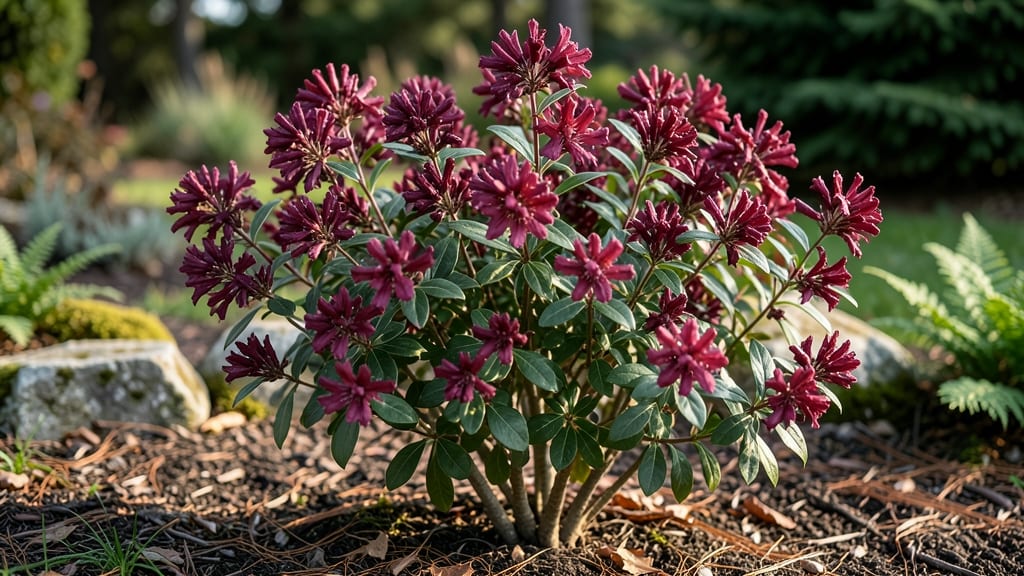
Planting Weigela Sonic Bloom Wine is like inviting a heat-proof showstopper into your garden—its deep wine-red spikes bloom reliably from spring through fall, even when temperatures climb. 🌿 This compact shrub thrives where others wilt, offering dramatic vertical interest that transforms any landscape into a bold statement piece.
The secret lies in its adaptability: it handles poor soil, urban pollution, and drought once established, making it perfect for busy gardeners or challenging spots.
Start with well-draining soil (amend heavy clay with compost) and full sun to partial shade—though it tolerates urban conditions better than most. The first year focuses on root establishment: water deeply once a week unless rain provides consistent moisture.
By year two, you’ll see those signature purple-pink blooms spiking upward, with new growth emerging from the base for natural rejuvenation. Prune lightly after flowering to maintain shape, but avoid heavy cuts that remove next year’s blooms.
What makes this weigela truly special is its resilience. It shrugs off deer browsing, resists powdery mildew better than most, and even recovers from winter damage.
Pair it with evergreen shrubs like boxwood or hemlock for year-round structure, or let it stand alone as a focal point near patios where you can admire its 3-inch blooms up close. The fragrance is subtle but pleasant—like a whisper of spring in summer’s heat.
For maximum impact, plant in groups of three for a naturalistic cluster or use as a specimen plant where its upright habit creates vertical drama. Mulch annually to retain moisture and suppress weeds, and fertilize lightly in early spring with a balanced 10-10-10 formula.
With minimal care, this heat-resistant beauty will reward you with season-long color that outshines many pricier garden investments.
📚 In This Guide
- What you need
- Instructions
- Tips and common mistakes
- Wrapping up and next steps
What you need
- ● Weigela 'Sonic Bloom Wine' shrub: 1 healthy, 1- to 3-gallon container plant (or 3- to 5-foot bare-root option)
- ● Pro tip: Look for plants with plump buds and vibrant green leaves—a sign of vitality! 🌡️
- ● Planting site: Full sun to partial shade (6+ hours of sunlight daily for optimal blooms)
- ● Well-draining soil (amend with compost if your soil is heavy or clay-like)
- ● Fertilizer: Balanced, slow-release granular fertilizer (10-10-10 or 20-20-20, 1 cup per plant)
- ○ Optional: Organic options like fish emulsion or composted manure for a natural boost
- ● Garden tools: Trowel or shovel (for digging)
- ● Garden gloves (to protect your hands from thorns and soil)
- ● Watering can or hose with a gentle spray nozzle
- ● Mulch: 2–3 inches of organic mulch (e.g., shredded bark, pine straw, or wood chips) to retain moisture and suppress weeds
- ● Pruning shears: Clean, sharp shears (sterilize with rubbing alcohol to prevent disease)
- ● Epsom salt (1 tbsp per gallon of water for magnesium boost during dry spells)
- ● Slow-release fertilizer spikes (for convenience)
- ● Pest control: Neem oil or insecticidal soap (if aphids or spider mites become an issue)
- ● Decorative stakes or rings (to support the shrub’s growth habit)
Step-by-step guide to planting and caring for Weigela 'Sonic Bloom Wine'
This heat-tolerant beauty thrives with minimal fuss—just follow these proven steps.
🌱 Step 1: Choose the Perfect Planting Site
Weigela 'Sonic Bloom Wine' loves full sun—at least 6 hours daily—but tolerates partial shade in hot climates. I always pick a spot with morning sun and afternoon shade to prevent leaf scorch, especially in zones above 8. The plant's purple spikes will still bloom, but foliage stays healthier.
Check soil drainage first—this variety hates soggy roots. Dig a hole twice as wide as the root ball but only as deep as the container's base. Loosen the sides of the hole to encourage root spread. If your soil is heavy clay, mix in 2-3 inches of compost to improve aeration.
🪴 Step 2: Plant with Proper Spacing and Support
Space plants 4-6 feet apart to allow air circulation and future growth. Weigela 'Sonic Bloom Wine' grows 4-6 feet tall and wide, so give it room to mature without crowding. Remove the plant from its container and gently tease the roots if they're circling.
Place the root ball in the hole, backfill with native soil, and firm gently around the edges. I always add a 1-inch layer of mulch (like pine bark) to retain moisture and suppress weeds—but keep it 3 inches away from the stem to prevent rot. Water deeply right after planting to settle the soil.
☀️ Step 3: Water Deeply and Establish a Routine
Water once a week during the first growing season, giving 1-2 gallons per plant until the soil is 6 inches deep and damp. After establishment, this drought-tolerant variety needs water only when the top 2 inches of soil feel dry. Overwatering is the biggest mistake—it causes root rot and weak stems.
Fertilize lightly in early spring with a balanced 10-10-10 formula (about 1/2 cup per plant). Too much nitrogen encourages leafy growth over flowers. I avoid fertilizing after mid-summer to let the plant harden off for winter.
✂️ Step 4: Prune for Shape and Next Year's Blooms
Prune right after flowering (late spring to early summer) to shape the plant and encourage next year's blooms. Remove 1/3 of the oldest stems at the base—these are the least productive. Cut just above a leaf node or bud to promote new growth.
Thin out crowded branches to improve airflow, which prevents fungal diseases. Avoid heavy pruning in fall—it stimulates tender new growth that won't survive winter. If you must prune later, do so lightly to maintain the plant's natural form.
🌿 Step 5: Protect and Maintain for Year-Round Color
Weigela 'Sonic Bloom Wine' is hardy to USDA Zone 4, but young plants benefit from winter mulch in colder zones. Apply 3-4 inches of mulch around the base in late fall, then remove it in early spring to prevent overheating.
Watch for aphids or spider mites—spray with water or neem oil if needed. The purple spikes emerge in early spring, so deadhead spent blooms in summer to keep the plant tidy. With proper care, this variety delivers season-long color with minimal effort.
Tips & tricks for perfect Weigela 'Sonic Bloom Wine' planting
These little details make all the difference when growing a standout Weigela 'Sonic Bloom Wine'.
Soil Prep Secret: Before planting, I always dig a hole twice as wide as the root ball to encourage those roots to spread out like fingers reaching for nutrients. The key is loosening the sides of the hole—this prevents compacted soil from strangling new growth. If your soil is heavy clay, mix in that 2-3 inches of compost right into the backfill soil, not just around the roots. This creates an ideal root zone from day one.
Mulching Wisdom: That 1-inch layer of mulch isn't just decoration—it's your plant's moisture shield. I use pine bark because it breaks down slowly and improves soil structure over time. The critical part? Keep it 3 inches away from the stem to prevent rot. Too much mulch piled against the trunk creates a damp, suffocating environment that invites disease.
Watering Technique: When establishing your Weigela, those 1-2 gallons per week should go deep—aim for 6 inches down. I use a long-handled trowel to check soil moisture before watering. The top 2 inches dry is your cue to water established plants, but don't rely on feel alone. In clay soils, water penetrates slowly, so you might need to water twice in one session to reach the full depth.
Pruning Precision: That 1/3 of oldest stems you remove after flowering isn't arbitrary—it's about balance. I target the thickest, woody stems at the base first. Make your cuts just above a leaf node or outward-facing bud to encourage new growth in the right direction. Pro tip: Use sharp pruners and clean them with rubbing alcohol between cuts to prevent spreading disease between stems.
Pro Tips for Weigela Sonic Bloom Wine
- These little details make all the difference when growing a standout Weigela 'Sonic Bloom Wine'.
- Soil Prep Secret: Before planting, I always dig a hole twice as wide as the root ball to encourage those roots to spread out like fingers reaching for nutrients.
- Mulching Wisdom: That 1-inch layer of mulch isn't just decoration—it's your plant's moisture shield.
Frequently asked questions
Got questions about Weigela Sonic Bloom Wine? You’re not alone! Here are some of the most common queries—plus quick answers to help you grow with confidence.
How well does this Weigela handle extreme heat?
Weigela Sonic Bloom Wine is bred for heat resistance, thriving in zones 5-9. While it tolerates high temps, consistent afternoon shade and regular watering (especially in the first year) will keep it vibrant. Mulch around the base to retain moisture and protect roots.
When is the best time to plant or prune for optimal blooms?
Plant in early spring or fall for best root establishment. Prune right after flowering (late spring/early summer) to shape the plant and encourage next year’s blooms. Avoid heavy pruning in fall—it can stimulate tender new growth vulnerable to frost.
Why aren’t my Sonic Bloom Wine flowers as vibrant?
Duller blooms often signal nutrient deficiency (try a balanced fertilizer in early spring) or overcrowding. Ensure it gets 6+ hours of sunlight and prune competing branches. Deadheading spent blooms can also prolong the flowering season.
Are there alternatives if I want a similar look but with less maintenance?
If Sonic Bloom Wine feels high-maintenance, try:
- Weigela ‘Wine & Roses’ – Similar color, slightly more drought-tolerant.
- Diervilla ‘Cayuga’ – Native, heat-resistant, and low-maintenance with pink blooms.
- Abelia ‘Kaleidoscope’ – Thrives in heat, blooms spring to fall, and has glossy foliage.
What pests should I watch for, and how do I treat them?
Watch for aphids, spider mites, or scale insects—common on Weigela. Treat mild infestations with a strong water spray or neem oil. For severe cases, use insecticidal soap. Encourage beneficial insects (like ladybugs) by planting nearby herbs like dill or basil.
Can Sonic Bloom Wine survive winter in colder climates (Zone 5)?
Yes! While it’s hardy to Zone 5, mulch heavily around the base with straw or shredded leaves to insulate roots. In extreme cold snaps, wrap the plant loosely with burlap to protect tender stems. Prune damaged branches in early spring.
Wrapping up and next steps
Transforming your garden into a vibrant, heat-resistant haven is easier than ever with Weigela 'Sonic Bloom Wine'. This stunning shrub delivers year-round color with its striking purple spikes, thriving even in tough conditions.
Whether you're a seasoned gardener or just starting, adding this beauty to your landscape is a game-changer!
Ready to elevate your outdoor space? Start by gathering your supplies and follow the steps to plant your Weigela with confidence. Your future blooms—and neighbors—will thank you!