
Blooming
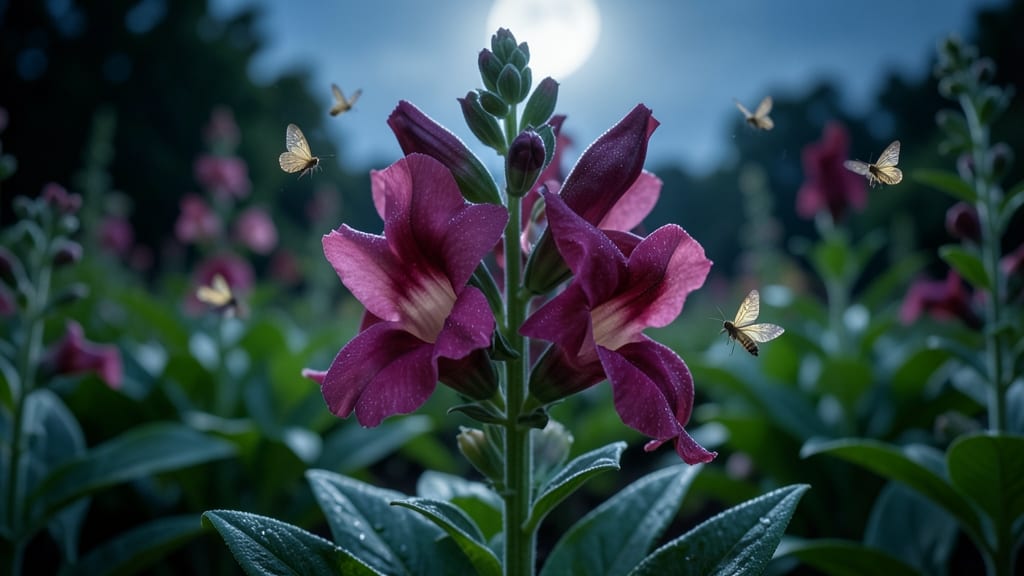
Transform your garden into a magical nocturnal retreat with these rare flowers that unfurl their petals only after sunset. Their ethereal beauty and unique pollination strategies make them perfect for creating a moonlit oasis that wows both wildlife and visitors alike.
Moonflower Vine with Fragrant White Blossoms
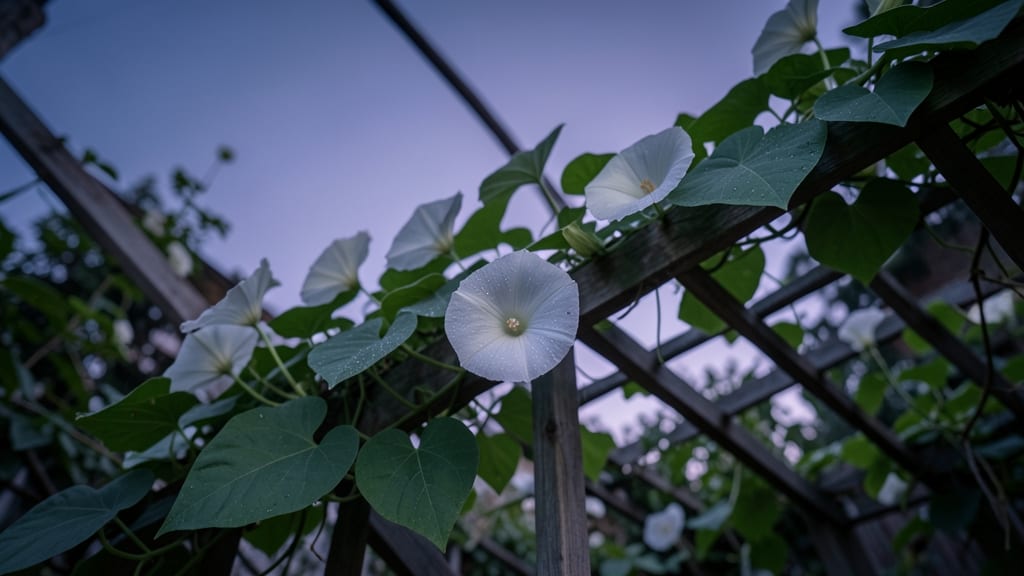
Imagine stepping into your garden at dusk and being greeted by the sweetest, most intoxicating scent you’ve ever experienced—this is the magic of the moonflower vine (Ipomoea alba). Its large, velvety white blooms unfurl only after sunset, releasing a fragrance so potent it can be smelled from yards away, making it a nighttime pollinator’s paradise.
This fast-growing annual thrives in warm climates and loves to climb, making it perfect for trellises, fences, or arbors. Plant seeds directly in the soil after the last frost, and within weeks, you’ll see its heart-shaped leaves and tendrils taking over. The vines can grow up to 15 feet in a single season, creating a dramatic vertical display. To encourage more blooms, deadhead spent flowers in the morning and ensure they receive full sun to partial shade.
Gardeners in USDA zones 10-11 can enjoy moonflowers year-round, while those in cooler areas should treat them as summer ephemerals. The moths and hummingbirds will adore your garden, and you’ll love the dreamy, fairy-tale atmosphere it creates. 🌿
Queen of the Night Cactus
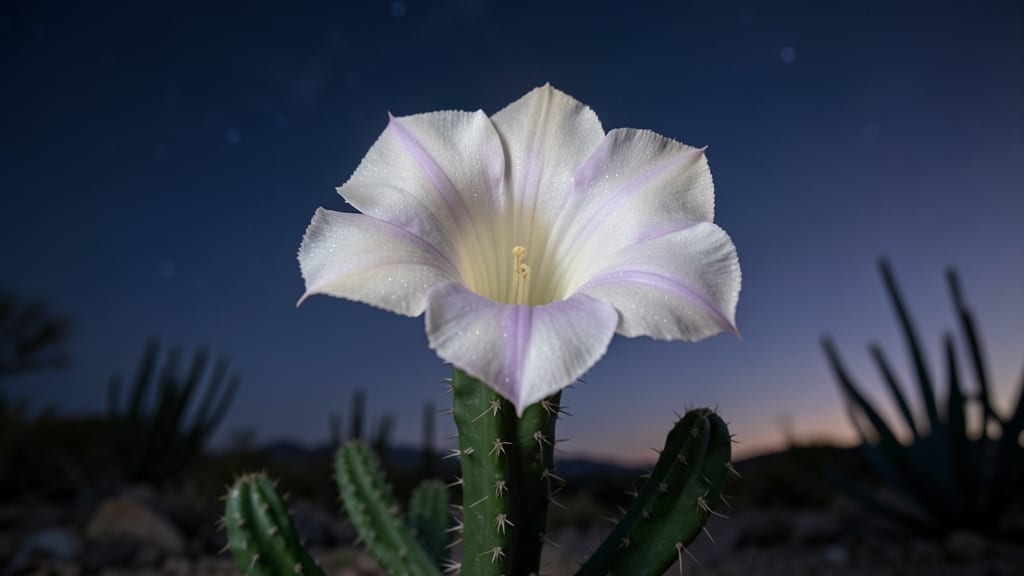
Imagine a single flower so stunning it only opens for one magical night—then vanishes by dawn. The Queen of the Night Cactus (Selenicereus grandiflorus) delivers this rare spectacle with a jasmine-like fragrance so intense it can be smelled from yards away, making it a desert garden showstopper.
This epiphytic cactus thrives in containers or small spaces, needing only bright indirect light and well-draining soil. Its giant white blooms (up to 12 inches across) appear once a year, typically in summer, and last just 24 hours—so timing your visit is key! Water lightly after blooming to encourage future flowers. Urban gardeners love it for balconies or patios where space is limited.
Perfect for those who want drama without maintenance, this cactus rewards patience with a once-in-a-lifetime floral experience. 🌻
Evening Primrose with Golden Yellow Petals
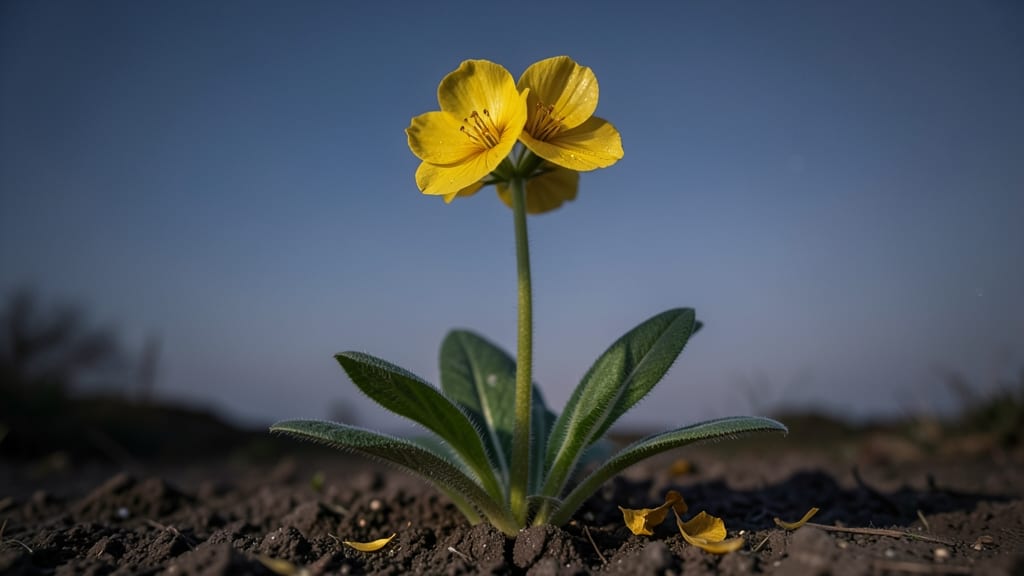
Discover a dual-purpose night bloomer that’s as useful as it is beautiful—the evening primrose (Oenothera biennis). Unlike its fragrant cousins, this golden-yellow stunner doubles as an edible flower and medicinal herb, while its petals cleverly shed debris overnight, keeping your garden tidy.
Thriving in full sun to partial shade, evening primrose adapts to almost any soil and even tolerates drought once established. Its self-cleaning petals close by mid-morning, leaving no wilted blooms behind—a gardener’s dream for low-maintenance beauty. Plus, its roots contain gamma-linolenic acid (GLA), prized for herbal remedies.
Perfect for cottage gardens, pollinator patches, or medicinal herb collections, this hardy perennial (USDA zones 4-9) attracts bees, moths, and hummingbirds while offering a subtle, honey-like scent at dusk. 🌻
Night-Blooming Jasmine Climbing Vine
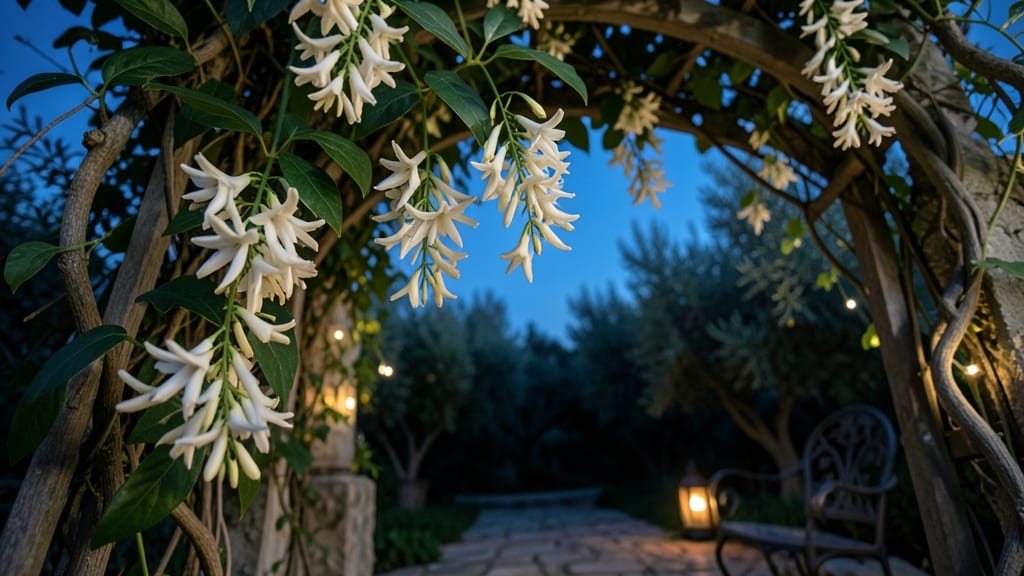
Craving a garden that comes alive after dark? The night-blooming jasmine (Cestrum nocturnum) delivers a romantic, intoxicating scent that peaks between 8 PM and midnight—making it the ultimate plant for evening strolls or patio gatherings.
This hardy perennial vine thrives in USDA zones 7-10, tolerating heat and humidity while producing clusters of white, star-shaped flowers that release their fragrance under the moonlight. Train it along arbors, pergolas, or trellises to create fragrant pathways, or let it spill over fences for a dreamy, tropical effect. Prune lightly after blooming to encourage bushier growth and more flowers next season.
Perfect for gardeners in warm climates who want low-maintenance elegance, this vine also attracts night-flying pollinators like moths. Plant near seating areas or entryways to enjoy its natural air freshener effect. 🌿
Four O'Clock Flower with Vibrant Colors
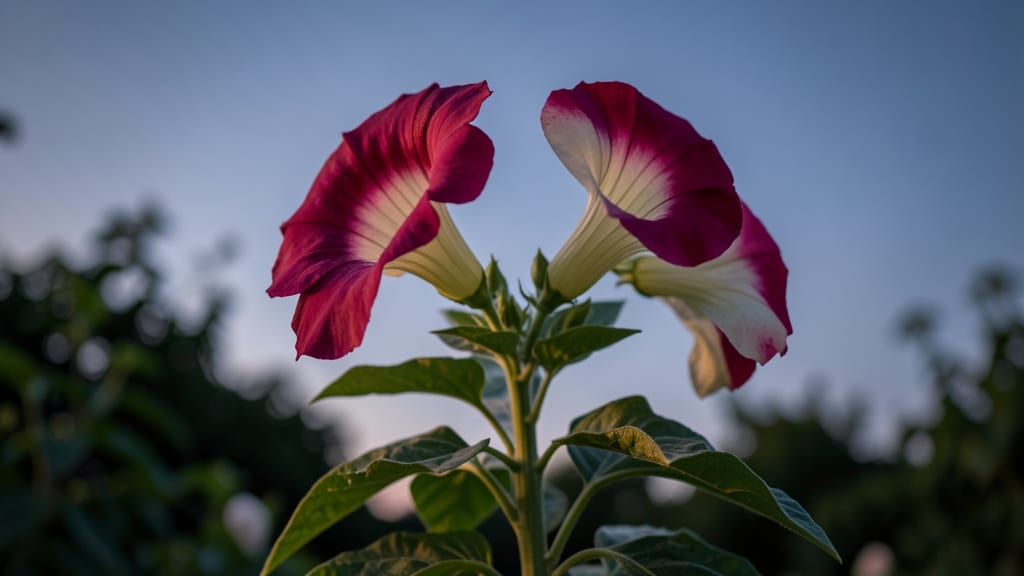
If you’ve ever wanted a flower that follows a strict schedule, the four o’clock flower (Mirabilis jalapa) delivers with clockwork precision—its trumpet-shaped blooms unfurl at exactly 4 PM in true species, earning its whimsical name. Unlike other night bloomers, this heirloom thrives in partial sun to full shade, making it ideal for gardens where intense afternoon heat would scorch other plants.
Available in pink, red, and yellow varieties, these flowers are easy to grow from seed and adapt to USDA zones 7-11. They produce multiple blooms per day, often lasting into the evening, and their fragrant, velvety petals attract hummingbirds and bees. Deadhead spent flowers to encourage continuous blooming throughout the summer.
Perfect for beginner gardeners or those with shaded spots, four o’clock flowers add a pop of color without demanding full sun. Their low-maintenance nature and vibrant hues make them a standout in any border or container. 🌻
Night-Scented Stock with Lavender Blooms
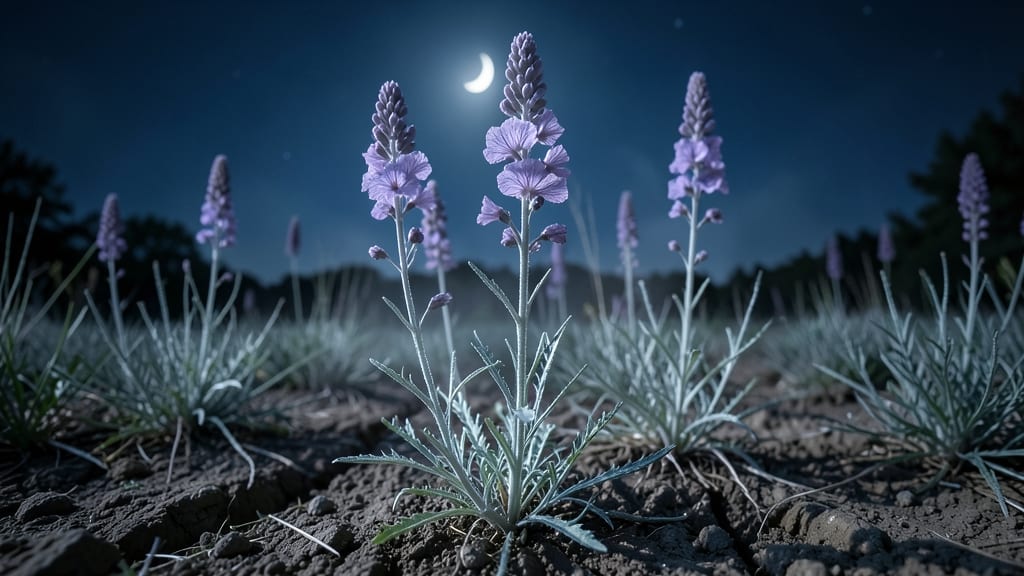
Tired of fighting for space in your perennial borders? Night-scented stock is the unsung hero for filling gaps—this cold-hardy annual thrives in poor soils where other plants struggle, while filling your evenings with a lavender-scented perfume that moths adore.
Plant these tall, slender spikes (2-4 feet) in late spring after frost danger passes, spacing them 12-18 inches apart. They’re drought-tolerant once established and self-seed modestly, creating natural drifts over time. The deep purple-lavender blooms open in late afternoon and release their sweetest fragrance at dusk—perfect for patios or garden paths.
Gardeners with rocky or nutrient-poor soil will love how night-scented stock transforms underused spaces into fragrant nighttime displays. It’s the easiest way to add vertical interest and scent without the fuss. 🌷
Angel's Trumpet with Tropical Beauty
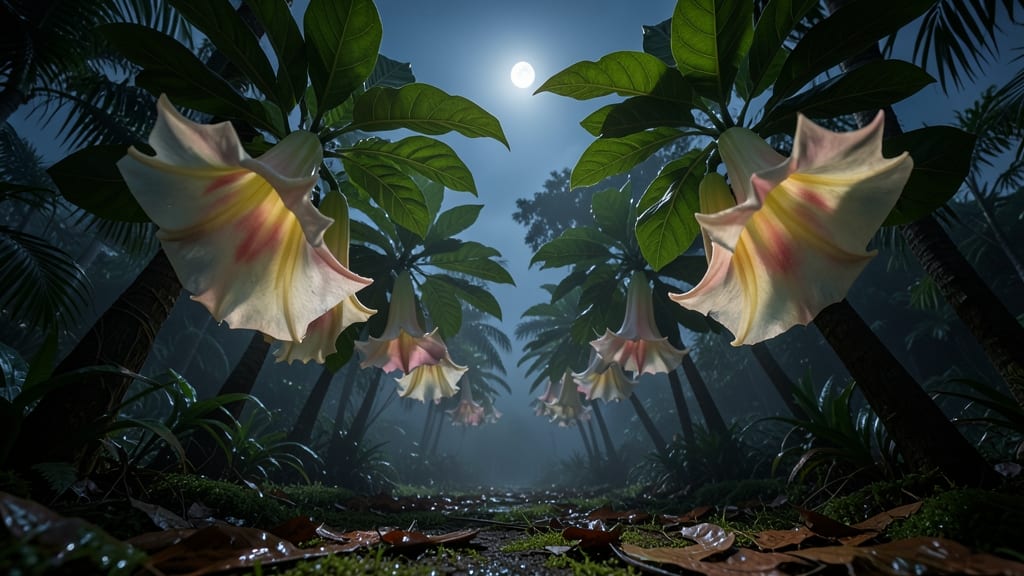
If you're dreaming of a tropical-themed garden that feels like a secret escape, angel's trumpet (Brugmansia) delivers drama with its massive, fragrant trumpets that glow under moonlight. Unlike other night-bloomers, this plant thrives in USDA zones 9-11 and can even be overwintered indoors in cooler climates.
Plant it in well-draining soil with morning sun and afternoon shade to protect its glossy leaves from scorching. The toxic nature (due to alkaloids) means it's best for experienced gardeners—keep it away from pets and children. Its intoxicating fragrance and striking white or pale yellow blooms make it a showstopper for evening gatherings.
Perfect for gardeners who love bold statements and aren't afraid of a little maintenance, angel's trumpet adds a jungle-like allure to any space. Just be prepared for its fast growth and occasional need for pruning! ✨