
Blooming
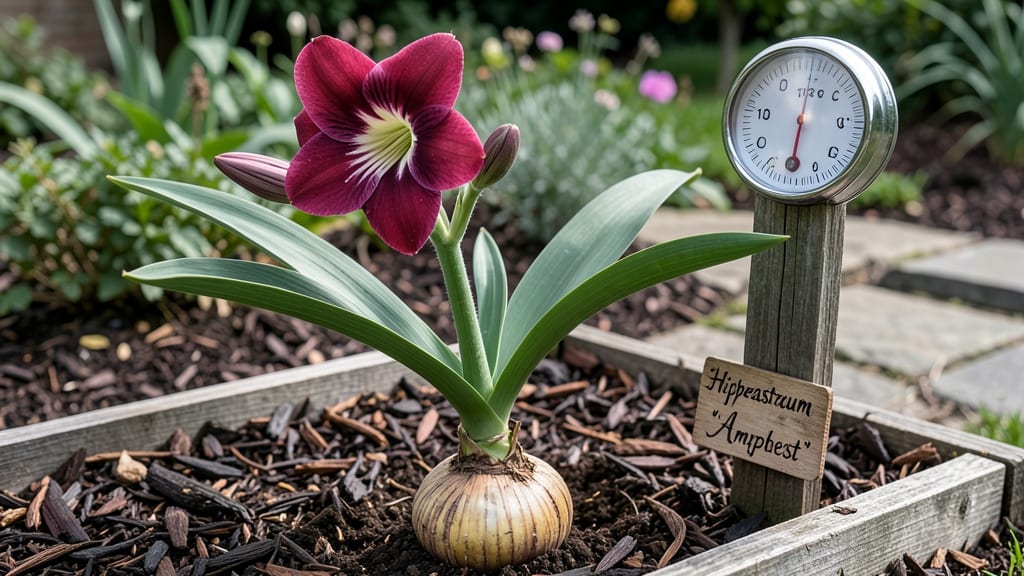
Amaryllis bloom outdoors when planted in late spring—typically May to June—after the last frost has passed, giving their bulbs time to establish roots before summer heat arrives.
If you’ve ever wondered why your amaryllis bulbs refuse to bloom outdoors—or when they’ll finally burst into vibrant color—timing is everything. In USDA Zone 6a, where I garden, the 165 frost-free days between April and October create the perfect window for these showstopping flowers to thrive.
Most gardeners assume amaryllis need winter dormancy to bloom, but outdoors, they follow the sun’s cycle instead. Planting too early risks frost damage, while waiting too late cuts short their growing season. The key is matching your zone’s last frost date to their 6-8 week root-establishment period.
Below, I’ll break down exactly when to plant in your region, how to extend blooms in cooler climates, and the three biggest mistakes that keep amaryllis from flowering—so you can finally enjoy those dramatic 🌸 displays year after year.
USDA zone timelines for amaryllis outdoor blooming seasons
Amaryllis (Hippeastrum) bulbs thrive outdoors when planted at the right time—aligning with your USDA zone’s frost-free window ensures vibrant blooms. Unlike indoor forcing, outdoor amaryllis rely on natural seasonal cues like soil temperature and daylight length.
In warmer zones (9-11), they bloom year-round or spring-to-fall, while cooler zones (3-7) see spring or summer blooms tied to frost dates.
Your USDA zone dictates when to plant and when to expect blooms. For example, gardeners in Zone 9 can plant in fall or spring for summer blooms, while Zone 5 growers must wait until after the last frost (typically late May) to avoid frost damage.
Understanding these timelines helps you avoid common mistakes like premature planting or missed bloom windows.
The key to outdoor amaryllis success is planting bulbs 6-8 weeks before your first frost (for fall blooms) or after the last frost (for spring blooms). This timing ensures bulbs establish roots before extreme temperatures arrive.
Below, we break down blooming windows by zone, including early vs. late varieties and regional variations.
In Zones 3-5, where frost is a major threat, amaryllis bulbs must wait until mid-to-late spring to plant. The July-August bloom window is short, so choose early-blooming varieties like 'Red Lion' or 'Mount Everest' for guaranteed color. Mulching bulbs in fall adds insulation for next year’s blooms.
Gardeners in Zones 6-7 enjoy a longer bloom window (June-September) thanks to extended frost-free periods. This zone is perfect for staggered planting: bury half the bulbs in early May for June blooms and the rest in early June for late-summer flowers. Varieties like 'Papillon' and 'Limelight' thrive here.
Warmer Zones 8-9 unlock year-round potential. Plant bulbs in fall (September-October) for spring blooms, or in early spring (March-April) for summer flowers. In Zone 9, you can even force fall blooms by planting in July-August—just water deeply and fertilize lightly to encourage buds.
Tropical Zones 10-11 offer the most flexibility. Amaryllis can bloom anytime with consistent care, but spring and fall are ideal. Use shade cloth in peak summer to prevent leaf scorch while maintaining blooms. Varieties like 'Black Pearl' and 'Minerva' love the heat and humidity.
Pro tip: Track your local frost dates using the USDA Plant Hardiness Zone Map. Add 4-6 weeks to your first frost date to determine the optimal planting window for your zone. For example, if your first frost is November 15, plant bulbs by October 1 for spring blooms.
Remember, soil temperature matters too. Amaryllis bulbs need consistent warmth (60°F+) to sprout. In cooler zones, use black plastic mulch to warm the soil faster. In hot zones, partial shade protects leaves while keeping roots cool.
By aligning your planting schedule with your USDA zone’s frost-free window, you’ll transform your garden into a year-round amaryllis paradise—whether you’re in frosty Zone 5 or tropical Zone 11. 🌸
How to time amaryllis planting for maximum outdoor blooms
Amaryllis bulbs thrive outdoors when planted at the right time, but their blooming schedule depends on your USDA zone and local climate. Unlike indoor forcing, outdoor amaryllis need 6-8 weeks of warm soil (60°F+) before blooming.
Plant too early, and frost may damage emerging shoots; too late, and you’ll miss the summer flower show.
For most gardeners, the ideal outdoor planting window is after your last frost date in spring (typically April-May in Zones 7-10) or 6-8 weeks before first frost in fall (September-October). This timing ensures bulbs establish roots before extreme heat or cold arrives.
Here’s how to calculate your perfect planting date using soil temperature and local frost dates:
Pro tip: In Zones 9-11, amaryllis can bloom year-round if planted in fall (September-October). The bulbs naturally enter dormancy during summer’s dry heat, so water sparingly during this period to trigger fall regrowth.
If you’re in a cooler zone (5-6), consider container growing—dig up bulbs after frost and store them indoors until spring. This extends their lifespan and guarantees blooms when conditions align.
With the right timing, your amaryllis will reward you with 6-8 weeks of vibrant blooms—typically from June-August in most regions. Mark your calendar now to avoid missing next year’s show! 🌸