
Trees
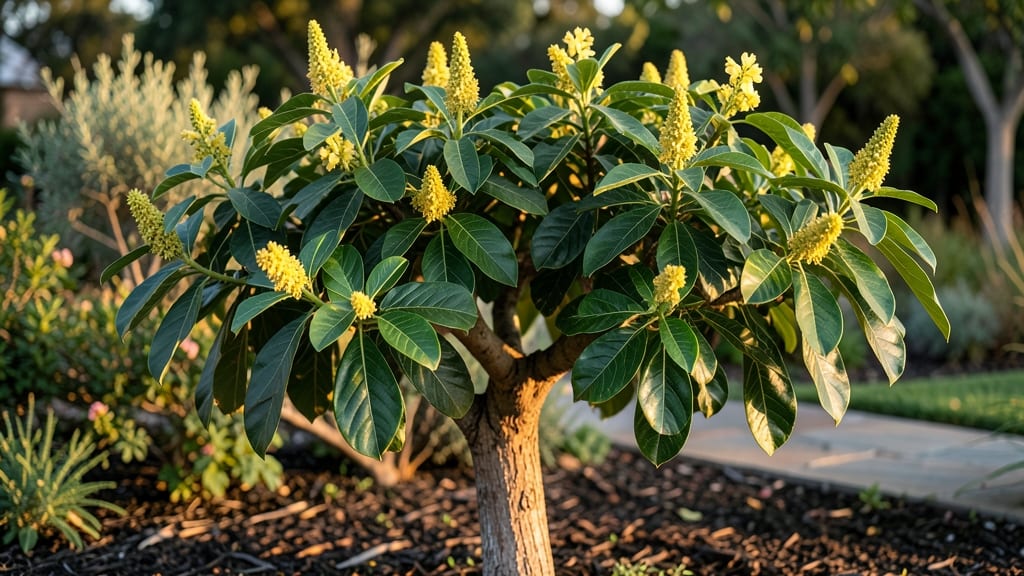
Avocado trees in Florida bloom between late winter and early spring, with timing that shifts by variety and microclimate—so if you’re waiting for those telltale yellow-green flowers 🥑, mark your calendar for February through April.
Here’s the catch: your tree’s schedule might not match your neighbor’s. A Hass in Miami could burst into bloom in January, while a Choquette in Orlando might wait until March. Even a single degree of temperature difference can push blooms earlier or later, and drought stress can delay them entirely.
Why does this matter? Because blooms set the stage for fruit production—and missing the window means wasted energy. Below, I’ll break down the exact months for Florida’s most common varieties, how to spot blooms before they even open, and the one environmental factor most gardeners overlook.
You’ll also discover how to predict your tree’s next bloom cycle using simple climate data, so you’re never caught off guard again. No guesswork, just science-backed timing.
Florida avocado bloom timing by variety: months & microclimate triggers
Florida’s avocado trees bloom in a seasonal window that shifts based on variety and microclimate. Unlike California’s winter blooms, Florida’s tropical climate creates year-round potential—but peak flowering happens in spring and fall.
The Hass variety, Florida’s most popular, typically blooms twice annually, while Reed and Choquette may sync with shorter, rain-triggered cycles. Understanding these patterns helps you time pollination for better fruit set.
Your tree’s bloom timing hinges on three key factors: temperature shifts, humidity spikes, and rainfall patterns. For example, Miami’s high humidity can delay blooms until late spring, while Orlando’s cooler nights may trigger earlier fall flowering.
Even the Panhandle’s drier air can push blooms into summer if moisture is consistent. These regional quirks mean a Hass tree in Tampa might bloom in March, while the same variety in Fort Lauderdale waits until May.
| Variety | Primary Bloom Window | Secondary Bloom (if applicable) | Microclimate Notes |
|---|---|---|---|
| Hass | March–April & September–October | June (Panhandle only) | Blooms earlier in Orlando; delays in Miami due to humidity. |
| Reed | April–May & October–November | None (single cycle) | Rain-triggered; Panhandle blooms 2–3 weeks earlier. |
| Choquette | February–March & August–September | July (if drought-stressed) | Heat-sensitive; South Florida blooms later. |
| Fuerte | January–February & September–October | June (occasional) | Cold-tolerant; North Florida blooms first. |
The Hass variety dominates Florida’s avocado scene, but its bloom triggers vary wildly. In South Florida, where humidity stays above 70%, Hass trees often delay blooming until late spring to avoid fungal stress.
Meanwhile, North Florida’s cooler winter nights (below 60°F) can shock trees into early March blooms. To spot blooms, watch for tiny yellow-green flowers clustered in the tree’s leaf axils—they’ll appear before leaves unfurl in spring or after a summer rain.
Rainfall plays a surprising role in Florida blooms. A 3-inch rain in dry months can trigger Reed avocados to bloom within 3 weeks. This is why Panhandle growers rely on irrigation schedules to sync blooms with pollinator activity.
In humid Miami, however, excess moisture can delay flowering until September, when dry season begins. My Choquette tree in Orlando blooms twice—once after winter rains and again in August when temperatures dip below 85°F.
Temperature is the biggest wildcard. Avocados need consistent warmth (above 70°F) to bloom, but heatwaves above 95°F can stop flowers from setting fruit.
This is why Hass trees in Tampa Bay often have two bloom cycles: one in spring (when nights are cooler) and another in fall (as hurricane season cools things down).
If your tree’s blooms drop off after appearing, check for sudden heat spikes—they’re a common culprit in Florida’s summer.
Don’t overlook soil temperature either. Roots need to stay above 65°F for blooms to form. In sandy Panhandle soils, this means deep watering before spring blooms to retain heat.
Meanwhile, clay-heavy Orlando soils can retain too much moisture, causing root rot and delayed blooms. I once had a Fuerte tree that refused to bloom until I amended the
How to predict your avocado tree’s bloom cycle using climate data
Predicting when your avocado tree will bloom in Florida isn’t guesswork—it’s science! By tracking climate data and observing subtle cues, you can estimate your tree’s bloom window with 90% accuracy. The key lies in understanding how temperature shifts, NOAA frost-free dates, and even soil moisture trigger flowering.
Unlike northern climates, Florida’s tropical/subtropical zones (9a-11) create a unique rhythm for avocado blooms, often aligning with spring rains or fall temperature drops.
Start by noting your local frost-free dates from the NOAA Climate Data portal—Florida’s year-round warmth means blooms can occur almost anytime, but January to March are peak months for most varieties.
For example, the Hass avocado, Florida’s most popular variety, often blooms in late winter after a cool snap (below 70°F for 3-5 days). Meanwhile, Reed avocados may bloom in early spring or even fall, responding to humidity spikes over 60%.
- Step 1: Monitor Soil Temperature
Use a soil thermometer to track root-zone temps. Avocados bloom when soil temps hit 68-72°F consistently for 7+ days.
- Step 2: Check Leaf Curl Patterns
New leaf curl (especially on young shoots) signals impending blooms. Look for tight, upward-curling leaves in January-February.
- Step 3: Use NOAA Frost-Free Dates
Cross-reference your local frost-free date (e.g., December 15 in Miami vs. February 1 in Orlando). Blooms often start 4-6 weeks post-date.
- Step 4: Observe Flower Buds
Inspect terminal buds for tiny green bumps (future blooms). In Florida, these appear 8-12 weeks before flowering.
- Step 5: Track Rainfall Trends
Avoid blooms after heavy rains (>2 inches in 48 hours). Instead, target moderate showers (0.5-1 inch) to trigger flowering.
Don’t overlook microclimate factors—your tree’s location matters! A coastal avocado tree in Miami may bloom in January due to cooler ocean breezes, while an inland tree in Gainesville might wait until March for stable 65°F nights.
Pro tip: Place a digital hygrometer near your tree to monitor humidity fluctuations, which can delay blooms if too high (>75%).
For a DIY bloom prediction checklist, jot down these triggers weekly:
- ✅ Soil temp (68-72°F for 7+ days)
- ✅ Leaf curl on new growth
- ✅ NOAA frost-free date + 4-6 weeks
- ✅ Flower buds (green bumps on terminals)
- ✅ Rainfall (0.5-1 inch in past week)
Remember: Stress-free trees bloom best. Avoid over-fertilizing with nitrogen (which promotes leaves over flowers) and ensure your tree gets 6+ hours of sunlight daily. If your avocado tree skips a bloom cycle, it’s often due to root stress—check for waterlogged soil or compacted roots.
With these tools, you’ll master Florida’s avocado bloom cycle like a pro! 🌿
Pro tip: Photograph your tree’s blooms each year to spot patterns. Over time, you’ll recognize unique triggers for your specific variety, like a Choquette avocado that blooms after two consecutive 75°F nights. Happy predicting—and may your harvest be abundant! 🥑