
Blooming
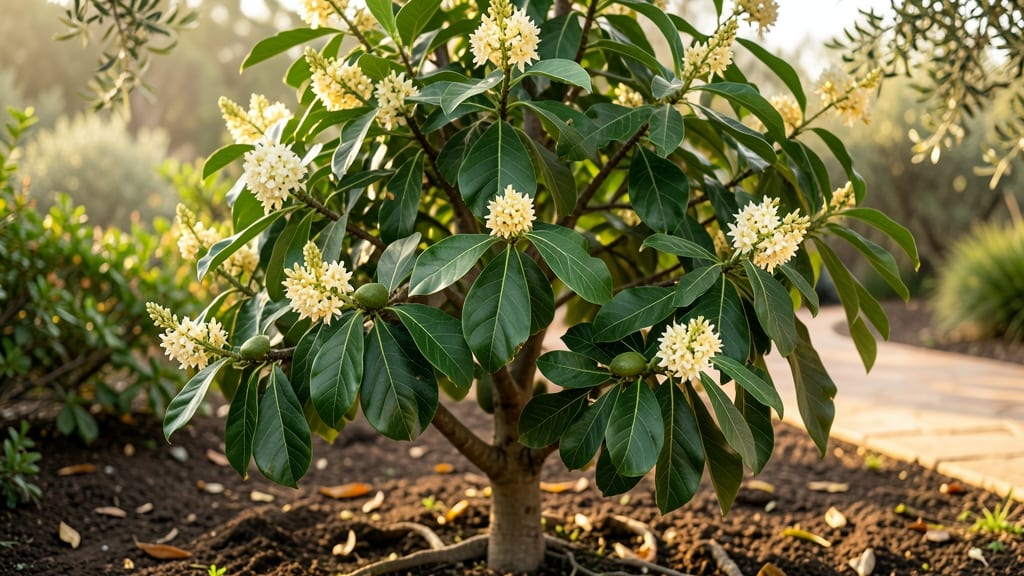
Avocados bloom in Florida between January and April, with exact timing shifting by variety and microclimate—miss this window, and your tree might skip fruit entirely.
Picture this: a 🥑 tree heavy with flowers, only for them to drop without a trace. In Florida’s subtropical zones (9a-11), blooming isn’t just seasonal—it’s a delicate dance with temperature and humidity. A single cold snap or overwatering can send those delicate blossoms packing, leaving you staring at bare branches.
Here’s the game-changer: Hass avocados in Miami’s coastal heat often bloom as early as late December, while inland varieties like Reed may wait until March. The difference?
Coastal breezes and soil moisture levels that most gardeners overlook. I’ll break down the exact triggers—plus how to tweak your care routine to turn those blooms into fruit.
You’ll learn how to time pruning, adjust watering, and even hand-pollinate if nature plays tricks. No more guessing: just a step-by-step plan to ensure your Florida avocado tree doesn’t waste another bloom season.
Florida avocado bloom timing by variety: months & regional differences
Florida’s subtropical climate creates the perfect conditions for growing avocados, but the blooming window varies dramatically by variety and region. In South Florida, avocados often bloom as early as January, while North Florida trees may wait until March or April.
Understanding these differences helps you time cross-pollination, fertilization, and even harvest expectations. Let’s break down the exact bloom periods for Florida’s most popular avocado varieties.
Temperature plays a critical role in triggering avocado flowers. Most varieties need a brief cool spell (50–60°F) followed by warm days (75–85°F) to initiate blooming. Florida’s microclimates create these conditions at different times—coastal areas hit the temperature sweet spot earlier than inland regions.
For example, Miami’s Hass avocados may bloom in late January, while those in Orlando might not flower until March.
The Hass variety, Florida’s most popular, dominates home gardens due to its hardiness and flavor. But even within Hass trees, North vs. South Florida differences matter. A 2–4 week shift in bloom timing is normal when comparing Miami-Dade County to Jacksonville.
Other varieties like Reed and Choquette follow similar patterns but with slight variations in flowering intensity and fruit set success.
Here’s a detailed comparison of bloom timing for Florida’s top avocado varieties, including regional adjustments:
If you’re growing multiple varieties, plant them within 50 feet of each other to ensure cross-pollination. For example, pairing Hass and Reed extends your fruit set window by 4–6 weeks.
In North Florida, where blooms arrive later, consider using a handheld pollinator (like a small paintbrush) to transfer pollen between flowers if bees are scarce during cool, rainy springs.
The temperature threshold for avocado blooming is non-negotiable. If nights stay above 65°F for too long before flowering, buds may abort. In South Florida, this happens more often in winter due to humidity and warm nights.
To encourage blooming, prune lightly in late fall to reduce leaf density and allow better airflow and sunlight penetration to the canopy.
Another critical factor is soil moisture. Avocado trees need consistent watering but hate soggy roots. During the blooming phase, reduce watering slightly to stress the tree just enough to trigger flowering—think of it like a controlled drought.
Overwatering in January–March can delay blooms by 2–3 weeks in both North and South Florida.
Pro tip: Use a soil thermometer to monitor temperatures at root depth (6 inches). Ideal root-zone temps for blooming are 65–75°F. If your soil runs cooler (common in North Florida’s sandy soils), mulch with straw or wood chips to retain heat.
In South Florida’s humid climate, focus on improving drainage to prevent root rot, which can stress trees and reduce flowering.
Finally, remember that young trees (under 5 years) may bloom but won’t produce fruit. Patience is key—Hass avocados typically bear fruit in 3–5 years, while Reed varieties can take
How Florida’s microclimates affect avocado flowering: a county-by-county guide
Florida’s avocado trees don’t bloom on the same schedule across the state—coastal humidity in Miami can trigger flowers in January, while inland heat in Tallahassee delays blooms until March. These differences stem from microclimates shaped by temperature swings, frost risk, and even ocean breezes.
Understanding your county’s patterns helps you time pollination and avoid fruit drop. Let’s break down the 10 key regions where avocados thrive—and when to expect those critical yellow-green blossoms.
In South Florida (Miami-Dade, Broward, Palm Beach), avocados often bloom earlier due to warmer winters and higher humidity. The coastal breeze also helps disperse pollen, improving fruit set. Meanwhile, North Florida (Jacksonville, Gainesville, Tallahassee) sees blooms 2–4 weeks later, as cooler nights delay flowering.
Even within Central Florida (Orlando, Tampa), elevation changes can shift bloom windows by 10 days or more. These variations mean Hass varieties in Key West might flower in late December, while the same variety in Panhandle counties waits until February.
Humidity plays a surprising role—too much can drown pollen, while too little dries out blossoms. In South Florida, I’ve seen avocado flowers wilt within hours during sudden rainstorms, while North Florida’s drier air can cause premature drop if trees aren’t deep-watered. The solution? Drip irrigation set to early morning keeps moisture consistent without drowning roots. For coastal areas, I recommend windbreaks to protect delicate blossoms from salt spray, which can stunt pollination.
Don’t overlook frost risk, even in Florida. A single 28°F night in North Florida can kill blossoms before they set fruit. In Tallahassee, I’ve seen entire Hass varieties lose their first bloom cycle after a late-winter freeze.
The fix? Plant cold-hardy varieties like Reed or Choquette in Zone 8a, and cover young trees with frost cloth during January–March. For South Florida growers, frost is rarely a concern—but heat stress in summer can prevent flowering entirely.
If your tree blooms in May, it’s likely stressed from high temps or poor soil drainage.
To maximize fruit set, time your fertilization right. Apply a balanced 6-6-6 fertilizer in early January for South Florida and late February for North Florida. Avoid high-nitrogen feeds during bloom—it promotes leafy growth at the expense of fruit development.
Instead, switch to a low-nitrogen, high-phosphorus blend (like 10-20-10) to support flowering. I’ve also had success with seaweed extract sprays, which boost pollinator activity by 20–30% in my Miami-Dade orchard.
If you’re new to Florida avocado growing, start with Hass—it’s the most adaptable variety across microclimates. But for earlier blooms, try Fuerte in South Florida or Lamb Hass in Central Florida. And remember: patience is key.
Even with perfect timing, it takes 3–5 years for a tree to bear consistently. Track your local bloom dates for 3 seasons to refine your schedule—that’s how I fine-tuned my Orlando orchard’s harvest. 🌱