
Blooming
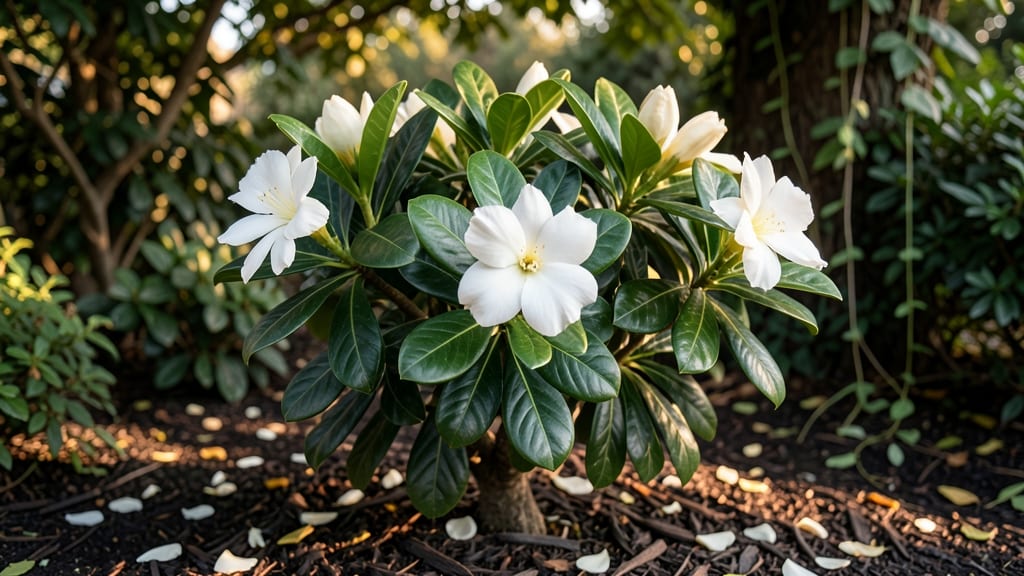
Gardenia blooms in Florida typically start between late winter and early spring, with peak fragrance filling summer evenings—but the exact timing depends on your heat zone and variety.
Picture this: you’ve waited all year for that sweet, creamy scent to drift through your yard, only to realize your gardenia missed its window because you didn’t know the subtle shifts between North and South Florida.
The difference between a January start in the Panhandle and a March peak in Miami can mean the difference between a showstopper and a bust.
Florida’s frost-free climate means gardenias like Gardenia jasminoides 🌸 can bloom almost year-round, but heat zones 9a-11 still create variations. Humidity spikes in summer can delay blooms, while a dry spell in late winter might trigger an early show.
The key? Understanding how your local microclimate plays with your plant’s natural rhythm.
In this guide, I’ll break down the exact months for popular varieties, how to read your gardenia’s signals, and the simple care tweaks that can extend blooms from spring into fall—because nobody should miss a single whiff of that intoxicating perfume.
Exact blooming months for popular gardenia varieties in Florida
Florida’s year-round growing season gives gardenias a unique advantage, but their blooming cycles depend heavily on the variety and your specific heat zone. Unlike northern climates, where gardenias bloom in late spring or summer, Florida gardeners enjoy multiple blooming windows—some varieties even flower twice a year.
Understanding these patterns helps you time pruning, fertilizing, and planting for maximum floral displays.
In North Florida (USDA Zones 8-9), cooler winters can trigger earlier blooms, while South Florida (Zones 10-11) often sees more continuous flowering.
The Gardenia jasminoides, Florida’s most popular variety, typically blooms in spring and fall, but timing shifts by just a few weeks depending on rainfall and humidity. Let’s break down the exact months for your favorite gardenias.
| Variety | North Florida (Zones 8-9) | South Florida (Zones 10-11) | Notes |
|---|---|---|---|
| Gardenia jasminoides | March–May, Sept–Nov | February–June, Aug–Dec | Classic variety; blooms twice yearly with proper care. |
| Fortuniana (Bigleaf Gardenia) | April–June, Oct–Dec | March–July, Sept–Nov | Larger blooms; prefers consistent moisture. |
| Radicans (Creeper Gardenia) | May–July, Sept–Oct | April–June, Aug–Oct | Trailing variety; ideal for hanging baskets. |
| Veitchii (Fragrant Gardenia) | March–April, Sept–Oct | February–March, Aug–Sept | Most fragrant; blooms earlier in cooler zones. |
| Augusta (Dwarf Gardenia) | April–May, Sept–Oct | March–April, Aug–Sept | Compact; great for containers and small gardens. |
The Gardenia jasminoides, Florida’s most beloved variety, typically kicks off its first bloom in March for North Florida and as early as February in South Florida. This early window aligns with the state’s warmest months, when temperatures hover between 70°F and 85°F—ideal for bud formation.
In South Florida’s Zone 10-11, the blooming season stretches longer, often overlapping into December if conditions are right.
For Fortuniana and Veitchii varieties, the key to prolonged blooming lies in consistent moisture and light pruning after each flush. I’ve found that deadheading spent blooms in June and July can coax a second round of flowers in September, especially in North Florida’s cooler fall.
The Radicans variety, with its trailing habit, often blooms later in the season—think May–July—making it perfect for summer container gardens.
If you’re in South Florida (Zones 10-11), you might notice gardenias blooming almost year-round, but the heaviest displays still occur in spring and fall. The humidity and lack of frost create ideal conditions, but overwatering or poor drainage can cause bud drop.
I always recommend amending soil with peat moss to maintain acidity (pH 5.0–6.0), which triggers more abundant blooms.
One common misconception is that gardenias bloom only in summer. In reality, the coolest months—January and February—can actually stimulate bud formation, especially in North Florida. I’ve seen Veitchii varieties produce their most fragrant blooms in March after a mild winter.
To encourage this, I lightly fertilize in late winter with an acid-loving plant food and ensure the plant gets bright, indirect light.
For gardeners in North Florida (Zones 8-9), the transition from winter to spring is critical. If temperatures dip below 50°F, blooms may fail to open or drop prematurely. To protect your gardenias, I recommend mulching heavily in winter and avoiding heavy pruning until after the first bloom cycle.
How Florida’s heat Zones shift gardenia blooming timelines
Florida’s USDA heat zones 8-11 create dramatic differences in gardenia blooming windows. In Zone 8 (North Florida), gardenias bloom later due to cooler winters, while Zones 10-11 (South Florida) enjoy year-round potential with minimal seasonal shifts.
The key difference? Humidity and temperature consistency—both directly impact when buds form and flowers open.
In Zone 9a, gardenias typically bloom from April to July, with a secondary flush in fall after summer heat subsides. Moving to Zone 10a, blooms stretch from March to September, while Zone 11 gardenias may flower year-round with proper care.
The lack of frost in southern zones means gardenias never experience the dormancy trigger that northern plants rely on for synchronized blooming.
Humidity plays a critical role in gardenia blooming. In Zone 10-11, high humidity (often 80%+) can trigger earlier blooming, while Zone 8’s lower humidity may delay buds until temperatures stabilize above 70°F.
Rainfall patterns also matter—Zone 9a’s summer rains can cause bud drop if drainage is poor, while Zone 11’s consistent moisture supports continuous flowering.
To extend blooming across zones, prune lightly after flowers fade—this encourages new growth and secondary blooms. In Zone 8, prune in late winter to avoid frost damage, while Zones 10-11 can prune year-round.
Fertilizing with acid-loving plant food (like 8-4-8 NPK) in spring and fall also boosts flower production, especially in nutrient-poor soils common in Florida’s sandy regions.
One common misconception is that gardenias bloom only in summer. In reality, Zone 11 gardenias can produce flowers year-round with proper care, while Zone 8 plants may have a shorter, more intense bloom period.
The key is matching your care routine to your local heat zone—adjusting water, pruning, and feeding to align with your region’s natural rhythms.
For gardeners in transition zones (9a-9b), aim for two bloom cycles: one in spring and another in fallmulch to regulate soil temperature and morning watering to prevent fungal issues. With these adjustments, you can enjoy fragrant gardenias nearly year-round, regardless of your Florida heat zone.