
Blooming
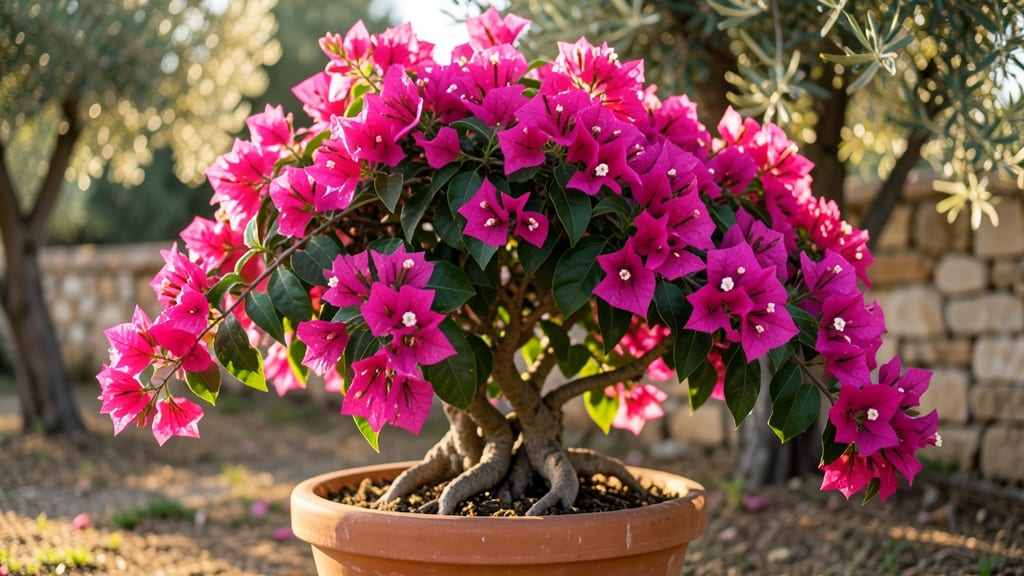
Bougainvillea blooms in Florida when temperatures hit 80°F consistently, often starting as early as late winter and stretching into fall—but the exact timing depends on heat triggers, drought, and even your pruning habits.
If you’ve ever wondered why your 🌸 bougainvillea seems to burst into color at unpredictable times, the answer lies in its love for heat—and a few surprising variety secrets.
Unlike most plants, bougainvillea doesn’t follow a strict seasonal calendar; instead, it blooms in response to temperature spikes, drought, and even pruning habits.
In Florida’s 9a-11 zones, blooms typically kick off in March for early varieties, with peak color from spring through fall. South Florida’s warmer microclimates can even trigger year-round flowering in the right cultivars, while North Florida may see a slight delay until April or May.
Below, I’ll break down the heat thresholds that set off blooms, how to choose varieties that thrive in your region, and pro tips to extend those vibrant displays—because in Florida, the key to stunning bougainvillea isn’t just patience, it’s knowing when to push the right buttons.
Florida bougainvillea blooming seasons: heat zones & timing triggers
Florida’s bougainvillea blooms don’t follow a traditional spring-only schedule—they respond to heat thresholds and drought stress. Unlike northern climates, Florida’s USDA Zones 9a-11 create year-round blooming potential, though spring and fall deliver the most vibrant displays.
The key trigger? Consistent temperatures above 80°F for at least 2-3 weeks, which signals the plant to produce those showy papery bracts (the colorful parts we call "flowers").
Humidity plays a surprising role too—high moisture can shorten bloom longevity, while mild drought stress actually encourages more prolific flowering.
In South Florida’s Zone 11, bougainvillea may bloom year-round with minimal seasonal dips, while North Florida’s Zone 9a plants often take a brief break during summer’s hottest months before rebounding in fall. This regional variation makes timing predictions tricky!
Here’s how Florida’s three main climate zones influence blooming windows, along with the temperature triggers and humidity effects that control when your bougainvillea puts on its best show:
Notice how North Florida’s bougainvillea takes a summer break? That’s because the 90°F+ heat waves can actually stress the plant, causing it to pause flowering until temperatures drop in fall. Meanwhile, South Florida’s tropical varieties thrive in the heat, producing blooms even during summer’s peak.
The 80°F threshold is your best friend here—when daytime highs consistently hit this mark, your bougainvillea will respond within 2-4 weeks with new growth and bracts.
Here’s a pro tip: If your bougainvillea in Central or North Florida seems slow to bloom in spring, try light pruning in early February to stimulate new growth. The plant’s new shoots are where those vibrant bracts form, so encouraging fresh growth is half the battle.
Just avoid heavy pruning in summer—it can shock the plant and delay blooming until fall.
Florida’s humidity levels also play a sneaky role in bloom longevity. In South Florida’s muggy air, bougainvillea bracts may last only 10-14 days before fading, while North Florida’s drier conditions can extend their life to 3-4 weeks.
To combat this, I recommend light deadheading (removing spent bracts) to encourage new blooms and improve air circulation around the plant. This is especially useful for potted bougainvillea, which can suffer from stagnant humidity in containers.
One of the most misunderstood triggers for bougainvillea blooms is water stress. While these plants are famously drought-tolerant, they actually need occasional dry spells to produce flowers.
Overwatering in Florida’s heat can lead to leafy growth with no blooms, while letting the soil dry out completely for 1-2 weeks can jumpstart flowering. Think of it like a natural fertilizer—mild drought signals the plant to focus energy on reproduction instead of foliage.
For year-round blooming in Florida, choose heat-tolerant varieties like ‘Thunderbird’ (deep purple) or ‘San Diego Red’ (vibrant orange-red). These cultivars handle Florida’s summer humidity better than traditional types and bloom more consistently.
Pair them with well-draining soil and morning sun exposure, and you’ll have a bougainvillea that puts on a show regardless of the season. Just remember: prune after blooms fade to maintain shape and encourage next season’s flowers.
If you’re in North Florida and notice your bougainvillea blooming later than expected, don’t panic—it’s likely waiting for stable temperatures above 75°F. Use this time to feed with a balanced fertilizer
Bougainvillea varieties that bloom year-round in Florida (and how to encourage them)
Florida’s year-round growing season makes it a paradise for bougainvillea lovers, but not all varieties thrive equally. Some, like ‘Santa Barbara’ and ‘Thunderbird’, are bred to defy seasonal norms, blooming continuously when given the right conditions.
These heat-loving powerhouses respond to Florida’s 80°F+ temperatures and drought-like conditions, which trigger their vibrant displays.
Unlike temperate climates where bougainvillea takes a summer break, Florida gardeners can enjoy year-round color with the right cultivars. The key lies in selecting desert-adapted varieties (like ‘San Diego Red’) over tropical types, which may struggle with humidity.
These varieties thrive in USDA Zones 9a-11, matching Florida’s climate perfectly.
To encourage continuous blooms, I recommend a light hand with pruning—cutting back 1/3 of the plant in late winter or early spring stimulates fresh growth and more flowers.
Avoid heavy pruning in summer, as this can shock the plant and reduce blooming. Instead, focus on removing spent blooms regularly to prompt new growth.
Fertilizing plays a crucial role too. Use a balanced 7-7-7 fertilizer every 6-8 weeks during growing seasons (spring to fall). In winter, reduce feeding to let the plant rest. Pair this with well-draining soil and minimal watering—bougainvillea blooms best when slightly water-stressed, not soggy.
For maximum year-round color, plant ‘Thunderbird’ (deep purple) in full sun with sandy soil, or try ‘San Diego Red’ for bold, fiery blooms. If humidity bothers your bougainvillea, opt for ‘Santa Barbara’, which handles Florida’s damp air better than most.
With these varieties and care tips, your bougainvillea will reward you with nonstop color—no seasonal break needed!