
Blooming
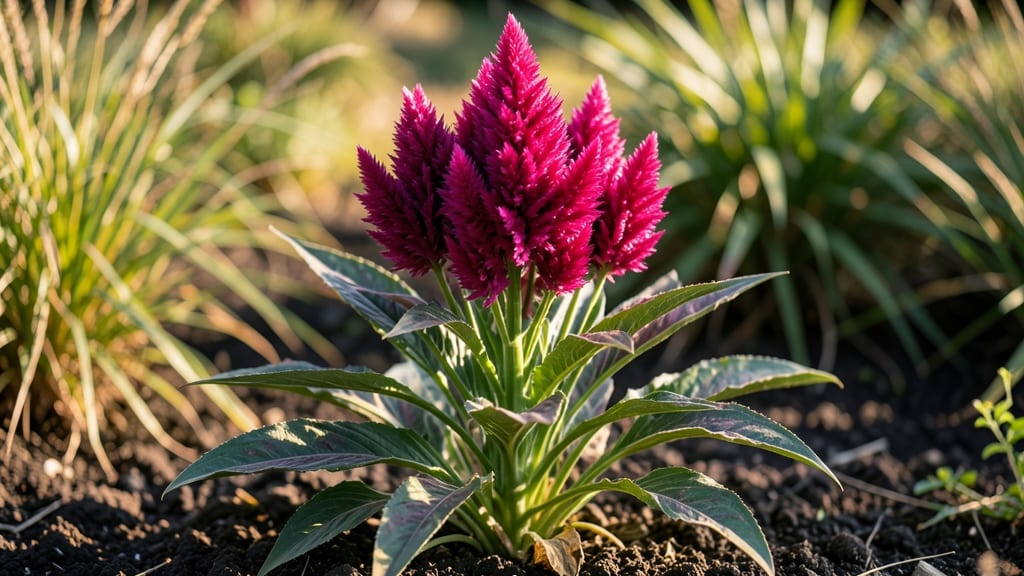
The celosia bloom time in summer through fall is triggered by heat and daylight length—think fiery plumes and velvety cockscombs lighting up your garden from July to September.
If you’ve ever planted celosia hoping for vibrant blooms only to be met with silence, you’re not alone—this fiery annual thrives on heat, and its bloom time varies wildly depending on your climate zone and variety.
In Zone 6a, where I garden, most varieties kick into full bloom by early July, but cooler zones or early plantings can delay the show by weeks. The key? Warm soil and consistent sun—without those, your celosia might just sulk instead of shine.
Below, I’ll break down the exact bloom windows for plume and cockscomb types, how to tweak timing for your zone, and the simple tricks to extend those stunning blooms well into autumn.
When celosia blooms by variety: plume vs. cockscomb timelines
If you’ve planted celosia expecting vibrant blooms but were met with silence, you’re not alone. These heat-loving annuals bloom on strict schedules that depend entirely on variety type and temperature triggers.
Understanding the difference between plume celosia (Celosia argentea) and cockscomb celosia (Celosia cristata) is key to timing your garden for maximum impact.
The heat threshold for celosia blooming is 75°F or higher for consistent flowering. Below this, even mature plants may delay blooms—or skip them entirely. This is why southern gardeners often see earlier blooms than those in cooler climates.
Let’s break down the bloom timelines for each type so you can plan your garden like a pro.
Plume celosia varieties like 'Merlot' or 'Pink Flamingo' are the early bloomers of the celosia world. They often start flowering as early as late May in warm climates, giving you a two-month head start on color.
These varieties thrive when daytime temperatures hit 70°F or warmer, making them ideal for USDA Zones 8-11 or containers moved outdoors after frost.
Cockscomb celosia, with its dramatic crested blooms, is the late-season showstopper. Varieties like 'Chocolate Cherry' or 'Fireworks' need consistent 80°F+ heat to trigger blooming, which is why they typically start flowering in late July or August.
In cooler zones (like Zones 5-7), these may not bloom until September, if at all.
For extended blooming, choose heat-tolerant hybrids like 'Dazzler' (plume) or 'Atomic Red' (cockscomb). These varieties can push blooms into October or November in frost-free areas. The secret? Deadheading spent blooms and ensuring well-draining soil to prevent root stress.
If your celosia refuses to bloom, check these three culprits: insufficient heat, overcrowding, or nutrient deficiencies. A light phosphorus-rich fertilizer (like 5-10-10) at planting can encourage earlier blooms, while thinning seedlings ensures each plant gets enough sunlight and air circulation.
Pro tip: Plant plume celosia in early spring (after frost) for a summer-long display, while cockscomb varieties should go in late spring to align with their late-season heat needs. In containers, move them to sheltered spots if nighttime temps dip below 60°F—this protects delicate blooms.
Remember, celosia blooms are heat-sensitive but frost-intolerant. Plan your garden to harvest blooms before the first frost, or bring potted varieties indoors to extend their lifespan as cut flowers. With the right variety and timing, your celosia can light up the garden from summer to fall.
How USDA hardiness zones affect celosia’s bloom schedule
Celosia’s heat-loving nature makes it a zone-dependent bloomer. In warmer climates, these fiery flowers explode into color by mid-summer, while cooler zones may see delayed or stunted blooms. Understanding your USDA zone helps you time plantings for peak performance and avoid frost-related setbacks.
Your local climate dictates not just when to plant, but also which celosia varieties will thrive. Tropical hybrids like ‘Chocolate Cherry’ demand consistent warmth, while hardier types such as ‘Atomic Red’ tolerate brief cooler spells. Let’s break down how to align your bloom expectations with your zone.
| USDA Zone | Planting Time | Bloom Trigger | First Blooms | Season Tips |
|---|---|---|---|---|
| Zones 2–4 | Start indoors March–April; transplant after last frost (late May). | Soil temps 65°F+ for 2+ weeks. | Late July–August (delayed). | Use black plastic mulch to warm soil. |
| Zones 5–7 | Direct sow after frost (mid-April) or start indoors 6 weeks prior. | Daytime temps 75°F+ consistently. | June–July (peak summer). | Choose ‘New Look’ series for cooler tolerance. |
| Zones 8–10 | Sow directly March–April; blooms year-round in frost-free areas. | Full sun + 80°F+ for 3+ weeks. | May–October (continuous). | Succession plant every 2–3 weeks for nonstop color. |
| Zone 11 | Plant year-round; blooms spring–fall with minimal care. | Direct sunlight + 90°F+ (tropical hybrids). | March–November (extended). | Use shade cloth in peak summer to prevent stress. |
In Zones 2–4, where summers are short, soil warming is critical. I’ve had success using black plastic mulch to raise soil temps by 5–10°F, triggering blooms 2–3 weeks earlier. For frost-sensitive varieties, treat celosia as a tender annual and start seeds indoors.
Gardeners in Zones 5–7 enjoy the sweet spot for celosia’s peak bloom season. Here, June–July is prime time, but late-summer heat waves can push blooms into August–September. To extend the season, deadhead spent flowers and fertilize lightly with 10-10-10 every 4–6 weeks.
Warmer zones (8–11) offer near-continuous blooms if you embrace succession planting. In Zone 10, I’ve seen ‘Crimson Velvet’ produce flowers from spring through fall with minimal effort. For tropical hybrids, provide afternoon shade in Zone 11 to prevent leaf scorch.
Pro tip: Monitor soil temps with a soil thermometer—celosia won’t bloom until roots hit 60°F+. In cooler zones, container gardening near patios or walls can add 5–10°F of extra warmth for earlier blooms. 🌡️