
Blooming
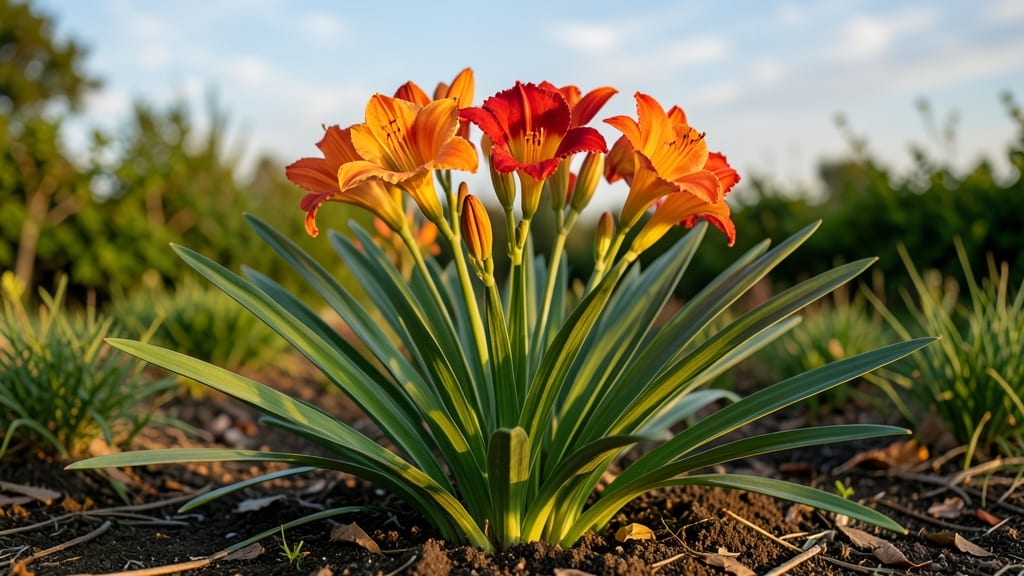
Daylilies bloom in Zone 7 between mid-June and early August, though the exact timing depends on whether you’ve planted classic, reblooming, or remontant varieties 🌸.
Picture this: you’ve spent weeks admiring your vibrant green foliage, only to wonder why your daylilies aren’t bursting into color when your neighbor’s garden is already in full bloom.
The truth? Some varieties start as early as late May, while others wait until July—so knowing your type is the key to planning your garden’s summer show.
But here’s the game-changer: with the right care, you can coax reblooming varieties to put on a second show in late summer or even early fall.
It’s all about deadheading, soil prep, and a few smart pruning tricks—details I’ll walk you through to turn your daylilies into a nonstop floral display.
Ready to extend that bloom time? I’ll break down the best varieties for Zone 7, when to expect their peak, and how to keep them flowering well into September—so you’re the one with the envy-worthy garden.
Daylily bloom times in Zone 7 by variety type: early, mid, and late season
If you're wondering when do daylilies bloom in Zone 7, the answer depends on whether you're growing classic, reblooming, or remontant varieties.
In my Zone 7 garden, I've seen early bloomers kick off as early as late May, while late-season varieties can still shine through September. The key difference? Rebloomers like 'Happy Returns' can give you three distinct bloom cycles, while classic varieties often bloom just once.
Temperature plays a huge role in timing. Cooler springs can delay blooming by 2-3 weeks, while hotter summers might push late bloomers to start earlier. My south-facing garden beds consistently produce blooms 2 weeks earlier than my morning-shade spots.
Even 6 hours of sunlight makes a noticeable difference in bloom timing.
Here's the visual breakdown you need to plan your Zone 7 daylily garden for maximum color:
| Variety Type | Primary Bloom Window | Secondary Bloom (Rebloomers) | Sunlight Needs | Temperature Trigger |
|---|---|---|---|---|
| Classic | Late May - Early June | None | Full sun (6+ hours) | 50-60°F nights |
| Early Rebloomers | Mid-June | Late July - Early August | Full sun to partial shade | 45-55°F nights |
| Mid-Season Rebloomers | Early July | Mid-August - September | Full sun | 55-65°F nights |
| Late Rebloomers | Late July | October (if frost delayed) | Full sun | 60-70°F nights |
| Remontant | June - September | Continuous blooms | Full sun | 40-75°F nights |
My remontant varieties like 'Stella de Oro' are my secret weapon for continuous color. They start blooming in mid-June and can keep producing flowers until frost—sometimes even through early October in sheltered spots.
The trade-off? They often have smaller blooms compared to classic varieties, but the volume makes up for it.
For early bloomers, I recommend varieties like 'Happy Returns' or 'Medusa'. These will give you June color when many other perennials are still waking up. The trick is to plant them in warm microclimates—close to south-facing walls or paved surfaces that radiate heat.
I've seen a 10°F difference between my east-side bed and west-side border, which translates to 2-week differences in bloom timing.
If you're planting new daylilies in Zone 7, timing matters. For spring planting (March-April), expect blooms the following summer. For fall planting (September-October), you might get early blooms the same year if planted by mid-September.
I always plant my reblooming varieties in spring to give them established roots before their first summer bloom.
Don't forget about soil temperature—daylilies need 60°F soil to trigger blooming. In cooler Zone 7 springs, this can delay blooms by 3-4 weeks. I use black plastic mulch in early spring to warm the soil faster and get my early bloomers going sooner.
Just remove it before summer heat to prevent root overheating.
Pro tip: Deadhead spent blooms on classic varieties to encourage stronger secondary blooms—you might get a second flush in late summer. With rebloomers, I skip deadheading to promote continuous flowering.
The right approach depends on whether you want fewer but larger blooms or more frequent smaller flowers.
Remember that Zone 7's last frost (around April 15) and first frost (around October 15) create a 180-day growing window. This gives you plenty of time to sequence your blooms—plant early bloomers first, then mid-season, then late varieties. My garden design
How to extend daylily blooming in Zone 7: pruning and care hacks
Daylilies in Zone 7 typically bloom from June to August, but with the right care, you can coax them into reblooming well into fall. The secret lies in understanding their growth cycle and applying targeted pruning techniques and nutrient adjustments.
Most varieties produce one flush of blooms, but reblooming cultivars can reward you with a second show if given the right conditions.
First, let’s tackle the science behind reblooming. Daylilies store energy in their crowns and roots during dormancy. By removing spent blooms and adjusting care, you signal the plant to redirect energy toward new growth instead of seed production.
This process requires precise timing and technique to avoid stressing the plant.
Remove spent blooms immediately after they fade. Use clean, sharp pruners to cut stems 1 inch above the next set of leaves. This prevents seed formation and encourages new buds.
Apply a balanced fertilizer (10-10-10) in early spring and again after the first bloom cycle. Avoid high-nitrogen fertilizers in late summer, as they promote leafy growth over flowers.
After the first bloom cycle, trim back foliage by 1/3 to redirect energy. Use sterilized shears and avoid cutting into the crown. This step is critical for reblooming varieties like 'Happy Returns' or 'Stella de Oro'.
Water deeply but infrequently—aim for 1 inch per week. Overwatering in late summer can stress plants, while consistent moisture encourages robust root growth for fall blooms.
Apply 2-3 inches of mulch in late summer to retain moisture and regulate soil temperature. Use organic mulch like shredded bark to protect roots during Zone 7’s cooler months.
Not all daylilies rebloom equally—reblooming varieties like 'Happy Returns' or 'Stella de Oro' are bred for extended flowering, while classic varieties may only bloom once.
The key difference lies in their genetic predisposition to store energy efficiently. For classic types, focus on deadheading and light pruning to maximize the first bloom.
In Zone 7’s climate, where summers can be hot and humid, proper air circulation is also critical. Space plants 18-24 inches apart to reduce fungal diseases like rust or powdery mildew, which can weaken plants and shorten bloom time.
If you notice yellowing leaves, prune affected foliage immediately and apply neem oil as a preventative measure.
With these care hacks, your daylilies can bloom from June through September or even later, depending on the variety. The effort pays off with longer vase life and a garden that stays vibrant well into fall.
Start with one reblooming variety like 'Happy Returns' to test the method before expanding your collection.