
Blooming
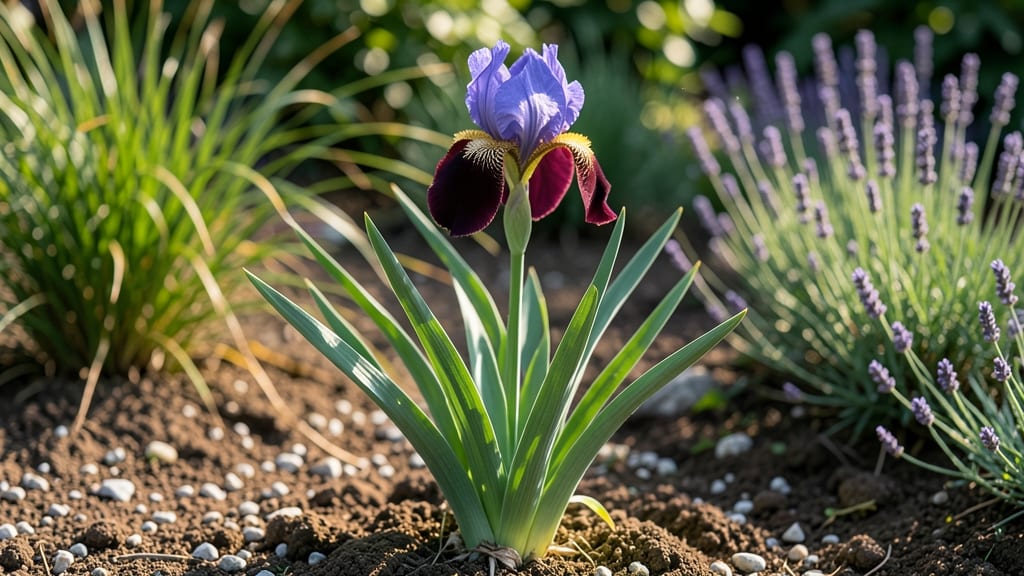
Iris bloom in Zone 6 typically between late April and early June 🌸, but the exact timing depends on variety, planting season, and even last year’s weather.
If you’ve ever wondered why your iris blooms seem to arrive at different times—sometimes too early for spring showers or too late for summer heat—you’re not alone.
Zone 6 gardeners face unique challenges with bloom timing, but mastering a few tricks can turn your garden into a vibrant, predictable display of color.
Bearded iris often kick off the show in May, while Siberian iris may linger into June, creating a natural progression. Early bloomers like Louisiana iris can even peek through as soon as April, while late varieties might wait until early June.
Below, I’ll break down how to read your climate, adjust planting for earlier or later blooms, and avoid common mistakes that steal your iris’s showtime.
Iris bloom timing in Zone 6: month-by-month breakdown by variety type
Zone 6 gardeners know that iris blooms don’t follow a one-size-fits-all schedule. Classic bearded iris, Siberian iris, and Louisiana iris each have distinct bloom windows, influenced by soil temperatures and local microclimates.
Understanding these differences helps you plan for a sequential color display from early spring through summer. Let’s break down what to expect month by month for each variety.
Early bloomers like Louisiana iris often start in late April, while bearded iris peak in May-June. Siberian iris, though hardier, tend to bloom slightly later in May-July.
These timelines can shift by 1-2 weeks depending on whether your Zone 6 falls into 6a (colder) or 6b (warmer) subzones. Warmer microclimates near bodies of water may push blooms earlier.
| Variety | Bloom Window | Key Notes |
|---|---|---|
| Louisiana Iris | Late April - June | Early bloomer; thrives in moist soil; prefers partial shade. |
| Bearded Iris | May - June (peak) | Classic spring bloomer; needs full sun and well-draining soil. |
| Siberian Iris | May - July | Hardy and late-season; tolerates cooler soils better than bearded types. |
If you’re planting Louisiana iris for early color, aim to get rhizomes in the ground by late August. These varieties need moist, slightly acidic soil to encourage early blooming. In contrast, bearded iris rhizomes should be planted in late summer (August-September) to establish roots before winter.
Siberian iris, being more adaptable, can handle fall planting but may bloom slightly later in Zone 6a.
Climate fluctuations in Zone 6 can dramatically shift bloom timing. A warmer-than-average spring might push Louisiana iris blooms into early April, while a cold snap in May could delay bearded iris by 10-14 days.
To mitigate this, monitor soil temperatures—ideal blooming occurs when soil reaches 55-60°F. Use a soil thermometer to track progress and adjust expectations accordingly.
For gardeners in Zone 6a, where winters are colder, Siberian iris often outperform bearded types. Their longer bloom window (May-July) provides flexibility if early springs delay traditional bloomers.
Meanwhile, Zone 6b gardeners might see bearded iris bloom as early as late April, especially if planted in sheltered, south-facing beds that warm up faster.
To create a continuous iris display, mix varieties with staggered bloom times. Plant early Louisiana iris alongside mid-season bearded iris and late Siberian iris. This strategy ensures color from late April through July, giving your garden a prolonged, vibrant show.
Just be mindful of water needs—Louisiana iris require more moisture, while bearded iris prefer drier conditions post-bloom.
One common misconception is that all iris bloom in spring. While bearded iris are spring stars, Louisiana iris can rebloom in late summer (August-September) if given proper care. To encourage this, deadhead spent blooms and fertilize lightly with a low-nitrogen formula after their initial spring display.
Siberian iris, however, typically produce a single flush of blooms per season.
Extreme weather events, like late frosts in May or heatwaves in June, can stress iris blooms. Protect emerging buds with frost cloth if temperatures dip below 28°F after buds form.
For heat stress, provide afternoon shade during peak summer months to preserve bloom quality. Mulching with 2-3 inches of organic matter also helps regulate soil temperatures and moisture levels.
If your iris blooms arrive too early or too late, it may signal an underlying issue. Overly early blooms could indicate poor dormancy conditions (e.g., insufficient winter chill), while late blooms often stem from overcrowding or nutrient deficiencies.
To troubleshoot, divide overcrowded clumps every 3-4 years and amend soil with compost or bone meal before planting season.
By understanding these variety-specific bloom windows and adjusting for your local microclimate, you can transform your Zone 6 garden into a predictable, year-round iris paradise.
Start with a mix of early, mid, and late bloomers, and don’t forget to monitor soil conditions—your iris will reward you with stunning, timely blooms for seasons to come. 🌸🌿✂️
How to extend iris bloom season in Zone 6 using proven gardening hacks
Zone 6 gardeners know that iris blooms can feel like a fleeting moment—gone too quickly between spring showers and summer heat. But with the right techniques, you can stretch that vibrant display from early spring into late summer.
The key lies in understanding how to manipulate soil temperatures, planting depths, and companion plants to coax sequential blooms from your iris varieties.
I’ve found that even a 2-3 week shift in bloom timing can transform your garden from a single burst of color to a gradual, eye-catching progression. Start by choosing iris varieties with staggered bloom windows—like pairing early Siberian iris (April-May) with late bearded iris (May-June).
This natural diversity gives you a built-in head start on extending your display.
🌱 Top 5 Hacks to Extend Iris Bloom Season
- 1. Plant rhizomes deeper for delayed blooming (1-2 weeks later). Bury half the rhizome for standard varieties, 2/3 for early blooms.
- 2. Use black plastic mulch in early spring to warm soil faster and trigger earlier blooms by 10-14 days.
- 3. Add compost tea in late winter to boost root activity and advance bloom time by up to 3 weeks.
- 4. Plant near alliums or catmint to repel iris borers and reduce stress, keeping plants blooming longer.
- 5. Cut back foliage after blooming by 1/3 to redirect energy to next year's buds.
For those stubborn late bloomers, try soil temperature manipulation. In early spring, cover the soil with clear plastic sheeting for 1-2 weeks to create a mini greenhouse effect.
This can push blooms forward by 2 weeks in cooler Zone 6a areas. Just remember to remove the plastic once buds form to avoid overheating.
Another game-changer is strategic companion planting. I’ve noticed that pairing irises with daylilies or salvia creates a natural succession display—while daylilies take over after irises fade, they keep your garden lively. Plus, these companions help deter pests that might otherwise stress your irises and cut blooms short.
Don’t overlook the power of watering schedules. Deep watering once weekly during bud formation (not just at the base) encourages stronger stalks that hold blooms longer. And here’s a pro tip: Water in the morning to reduce fungal risks that can weaken stems and shorten your bloom window.
With these techniques, you can turn your Zone 6 iris patch into a season-long color show instead of a brief spring highlight. Start experimenting this year—your garden (and your neighbors!) will thank you for the extended display. 🌸