
Blooming
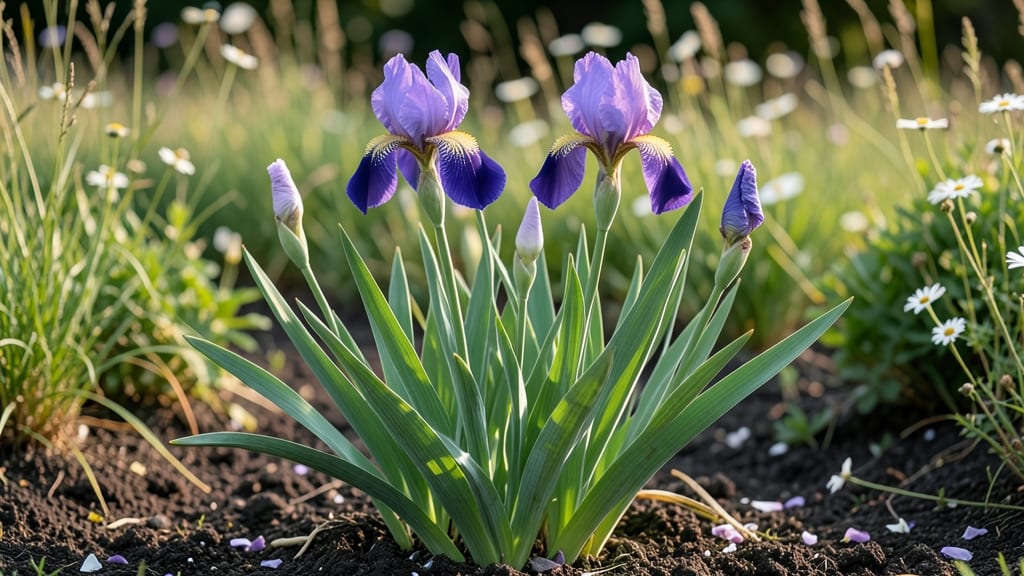
Iris bloom in Zone 7 typically between late March and early May, with bearded iris varieties flowering first (late March to April) and Siberian or Louisiana iris following (April to early May). Timing depends on sunlight exposure, soil temperature, and variety selection.
In Zone 7, your iris blooms will follow a predictable pattern based on their type and growing conditions. 🌸 Bearded irises often kick off the season with vibrant colors in late March, while Siberian and Louisiana varieties typically appear a few weeks later.
The key to extending their bloom time is ensuring they get at least 6-8 hours of sunlight daily and that soil temperatures stay above 50°F—both critical for triggering their flowering cycle.
Here's what makes this timing work: these plants rely on a balance of winter dormancy and spring warmth. If you notice your irises blooming later than expected, check for partial shade or cooler-than-average soil temperatures—these can delay their show by up to two weeks.
For gardeners eager to maximize color, planting a mix of early and late varieties creates a stunning progression from spring through early summer.
💡 In This Article
- Factors Influencing Iris Bloom Timing in Zone 7
- Best Iris Varieties for Zone 7 Bloom Schedules
Factors influencing iris bloom timing in Zone 7
Iris bloom timing in Zone 7 hinges on three key factors: sunlight exposure, soil temperature, and the plant's genetic dormancy cycle. Most iris varieties require at least 12 hours of sunlight daily to trigger flowering, but bearded irises—common early bloomers—thrive with just 6-8 hours of direct light.
This is because their rhizomes store energy from the previous growing season, allowing them to bloom even when sunlight is less intense.
Siberian irises, on the other hand, often need full sun (8+ hours) and cooler soil temperatures (50-55°F) to initiate their bloom cycle, which is why they typically appear later in the season.
The soil temperature acts as a natural switch for iris blooms. When soil reaches 50°F consistently, it signals the rhizomes to break dormancy and push up flower stalks. In Zone 7, this usually happens by late March, but cooler springs can delay blooms by 1-2 weeks.
For example, the 'Blue Flag' bearded iris often blooms in early April, but in a cooler-than-average year, it might wait until mid-April. 🌱 The rhizomes' ability to store starches also plays a role—well-fed rhizomes with 1-2 inches of mulch for insulation will bloom more reliably and vigorously than those in exposed or nutrient-poor soil.
Genetics determine whether an iris is an early or late bloomer. Bearded irises, like 'Adamant' or 'Purple Haze,' are hardwired to bloom first because they prioritize energy toward flower production after winter.
Siberian irises, such as 'Caesar's Brother,' focus more on leaf growth before flowering, which is why they bloom later. Louisiana irises, with their tropical roots, often wait until late April or early May when soil temperatures are warmer and humidity is higher.
This genetic programming means even in identical growing conditions, bloom times can vary by 2-3 weeks between varieties.
Light quality also matters—iris blooms are triggered by the increasing daylight of spring, but they need a balance. Too much shade (less than 6 hours of sun) can stunt flower production entirely, while too much heat (soil above 65°F) can cause buds to drop before opening.
This is why gardeners in Zone 7 often see their irises bloom later in the year if planted under trees or in north-facing beds. For optimal results, position iris beds where they receive morning sun and afternoon shade, especially in hotter parts of the zone.
Another critical factor is the previous year's care. Iris rhizomes need a period of dormancy in late summer to store energy for the next bloom cycle.
If you fertilize heavily in fall or fail to deadhead spent blooms, the plant may direct its energy toward foliage instead of flowers, delaying or reducing blooms the following spring.
For example, cutting back foliage too early (before it turns yellow) can weaken the rhizome's reserves, pushing back bloom time by 10-14 days. 💡 The solution? Leave foliage until it naturally withers and remove it only after it turns brown.
Finally, microclimates within your garden can shift bloom times by 1-2 weeks**. A south-facing bed might see irises bloom in late March, while a north-facing one could delay until early April.
To extend your iris season, plant a mix of early, mid, and late varieties—like 'Blue Bird' (early April) paired with 'Siberian Jewel' (late April)—to create a continuous display. This strategy works because each variety has slightly different light and temperature triggers, ensuring your garden stays vibrant from March through May.