
Blooming
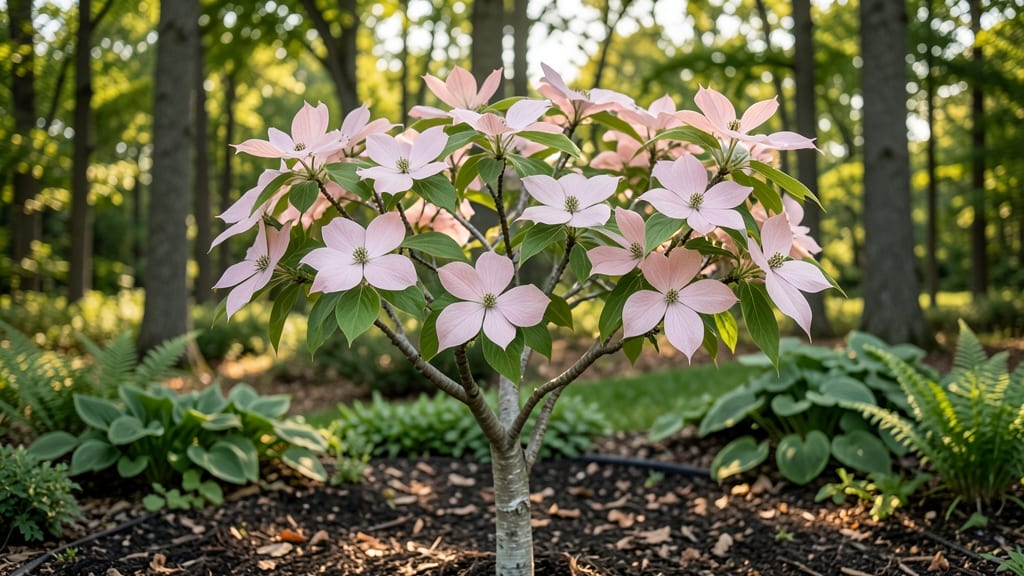
Dogwoods bloom in Tennessee from late March through early May, painting the hillsides in stunning pink and white 🌸 when the air finally warms.
If you’ve ever wondered why Tennessee’s hillsides burst into pink and white clouds every spring, the answer lies in the state’s native dogwoods—timing their bloom perfectly for a breathtaking seasonal show.
In zones 6a-7b, most varieties like the flowering dogwood (Cornus florida) kick off blooms as soon as daytime highs hit 60°F consistently, but regional microclimates can shift that window by 2-3 weeks.
Below, I’ll break down the exact timing for Tennessee’s most common dogwood types, how to spot the first buds, and a few tricks to coax even longer blooms from your trees.
Dogwood bloom seasons in Tennessee: native varieties and their timing
Tennessee’s native dogwoods are the stars of spring, transforming the landscape into a sea of pink and white blooms that signal warmer days ahead. The timing of these dogwood blooms varies slightly depending on the variety and your specific region within the state.
Understanding these patterns helps you anticipate—and even encourage—your dogwood’s seasonal show.
Three dogwood varieties dominate Tennessee gardens: the classic flowering dogwood (Cornus florida), white dogwood cultivars, and pink dogwood varieties. Each has its own bloom window, influenced by microclimates like elevation and local weather patterns. Let’s break down when to expect those iconic blossoms in your backyard.
The flowering dogwood, Tennessee’s state tree, typically kicks off the show in late March along the state’s eastern edge, where milder winters create ideal conditions.
In the Cumberland Plateau and Appalachian foothills, you might see blooms as early as March 15, while western regions like Memphis or Nashville often delay until early April.
If you’re growing white dogwood varieties, expect their blooms to follow the flowering dogwood by about a week. Cultivars like 'Cherokee Brave' or 'White Cloud' thrive in cooler microclimates, such as higher elevations or shaded garden spots, where they’ll hold onto their blossoms slightly longer.
These varieties often bloom between early and mid-April, offering a prolonged display.
Pink dogwoods like 'Rubra' or 'Pink Icing' tend to be the late bloomers, with peak season arriving in mid to late April. Their delayed timing can be attributed to their preference for partial shade, which keeps their roots cooler and extends the bloom period. In hotter, drier valleys, these varieties may even wait until early May to fully open.
For those in West Tennessee, the Pacific dogwood (Cornus nuttallii) is a unique native that blooms much later, typically in early May. This variety is less common in gardens but thrives in the region’s warmer climate and well-draining soils.
Its larger blooms and later timing make it a standout for gardeners in areas like Chattanooga or Jackson.
Microclimates play a huge role in bloom timing. A north-facing slope or shaded garden bed can delay blooms by up to 10 days compared to a south-facing exposure. Similarly, urban areas with heat islands may see dogwoods bloom earlier than rural spots.
Pay attention to these local conditions to predict when your dogwood will put on its best show.
To encourage the earliest possible blooms, focus on well-draining soil and moderate watering during the dormant season (October–February). Avoid heavy fertilization, which can delay flowering. Instead, mulch around the base in late fall to protect roots from winter temperature swings—a key factor in consistent bloom timing.
Once you know your dogwood’s bloom window, you can plan complementary plants like azaleas or spring bulbs to extend the visual interest. For example, pairing a white dogwood with purple azaleas creates a stunning color contrast that lasts from April through May.
With these tips, your Tennessee dogwood will become the centerpiece of your spring garden.
How Tennessee’s climate affects dogwood flowering timelines
Tennessee’s diverse climate creates a fascinating dogwood bloom parade across the state. While most gardeners expect March to early April for peak flowering, the reality is far more nuanced—elevation shifts and humidity differences can push bloom windows by 2-3 weeks between East and West Tennessee.
Understanding these patterns helps you predict—and even influence—when your dogwoods will burst into color.
The Appalachian Mountains in East Tennessee create microclimates that delay blooming. At higher elevations like Great Smoky Mountains National Park, dogwoods often wait until late April due to cooler temperatures.
Meanwhile, in West Tennessee’s warmer lowlands, blooms may appear as early as mid-March. This variation makes timing your garden tasks—like pruning or fertilizing—critical for maximizing your dogwood’s seasonal display.
Humidity plays a surprising role in dogwood blooming. The higher humidity of East Tennessee can delay flowering by 1-2 weeks compared to West Tennessee’s drier air. This is because excess moisture stresses the tree, causing it to hold onto buds longer.
If you notice your dogwood struggling in humid conditions, improve drainage by adding organic mulch around the base and avoid waterlogged soil.
Temperature fluctuations also matter. Dogwoods need consistent chill hours (300-500 hours below 45°F) to set buds properly. In West Tennessee’s milder winters, some dogwoods may produce fewer blooms unless you provide extra care.
Try planting cold-hardy varieties like Cornus florida 'Cherokee Brave' or 'Rubra' for better reliability in warmer zones.
To adjust your expectations, observe local dogwoods in parks or nurseries. If your yard’s microclimate matches these patterns, you can prune in late summer to encourage next year’s blooms.
For example, removing last year’s seed pods in August gives the tree more energy for spring flowers. The key is working with—not against—Tennessee’s climate quirks.
Remember that even within regions, yard-specific factors like soil type and sunlight exposure can shift bloom times by a week or more. Pay attention to your dogwood’s bud formation in late winter—a sure sign of what’s to come.
With these insights, you’ll be the first on your block to welcome spring’s pink and white canopy! 🌸