
Blooming
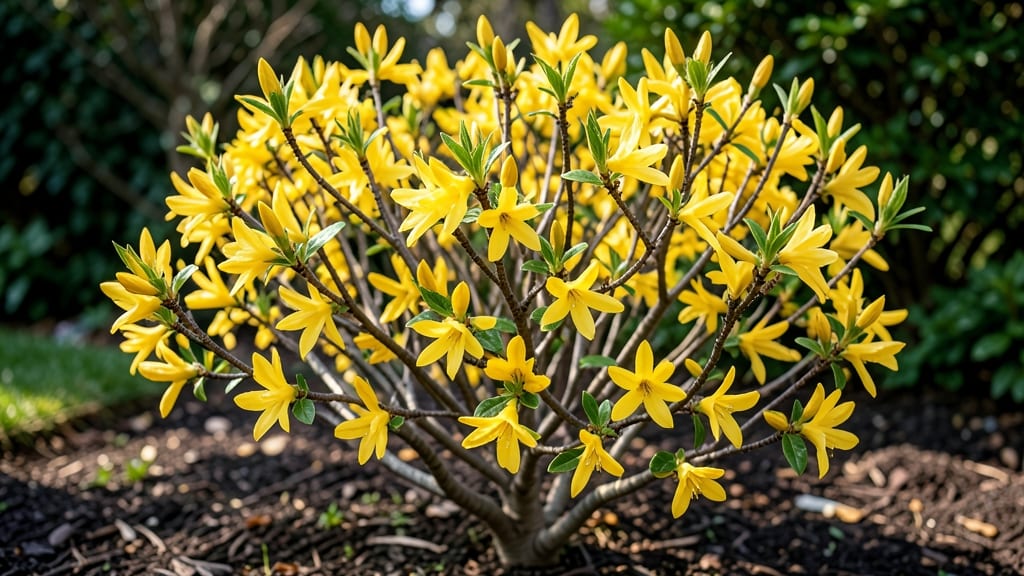
Forsythia blooms in Zone 7 between late February and mid-April, when the shrub’s bright yellow flowers 🌸 signal the arrival of spring.
If you’ve ever wondered why your forsythia shrubs bloom earlier than your neighbor’s—or why some varieties explode with yellow flowers while others lag behind—Zone 7’s unpredictable climate holds the key.
Most gardeners in this zone notice blooms around March 1st, but early warm spells can push them as early as February, while late frosts may delay them until April.
Below, I break down the timing by variety, how to recognize the best bloom conditions, and simple tricks to encourage longer flowering seasons.
Forsythia bloom timing in Zone 7: exact months by variety
Forsythia shrubs are the cheerful heralds of spring in Zone 7, bursting into vibrant yellow blooms that brighten gardens before most trees leaf out. But not all varieties follow the same schedule—some bloom as early as late February, while others wait until mid-April.
The differences come down to genetics, microclimates, and even last winter’s chill hours. Understanding these timelines helps you choose the perfect forsythia for your garden’s timing and enjoy those showstopping yellow flowers at exactly the right moment.
Zone 7’s unpredictable spring weather can shift bloom times by weeks, especially when warm spells arrive early or late. For example, a mild winter might push Forsythia × intermedia to bloom in early March instead of April, while a cold snap could delay Forsythia suspensa until late April.
Below, we break down the exact bloom windows for the most popular varieties, so you can plan your garden’s spring spectacle with confidence.
🌱 Pro Tip: Use these timelines to pair forsythia with complementary plants—like early-blooming daffodils or heaths—for a seamless seasonal transition.
| Variety | Typical Bloom Window (Zone 7) | Climate Notes | Height at Maturity |
|---|---|---|---|
| Forsythia × intermedia | Late February to early April | Largest variety; thrives in full sun and well-draining soil. Early blooms may occur after mild winters. | 6–10 ft |
| Forsythia suspensa | Mid-March to mid-April | Weeping habit; prefers cooler microclimates. Delayed blooms in warmer microclimates or after late frosts. | 8–12 ft |
| Forsythia ovata | Early to mid-April | Dwarf variety; blooms later due to compact growth. Ideal for small gardens or container planting. | 3–5 ft |
| Forsythia ‘Spectabilis’ | Late March to early April | Hybrid with prolonged blooms; benefits from spring pruning to encourage second flushes. | 6–8 ft |
| Forsythia ‘Lynwood Gold’ | Early March to late March | Early bloomer; thrives in sheltered locations with reflected heat from walls or fences. | 5–7 ft |
If you’re planting forsythia for the first time in Zone 7, timing matters beyond just blooms. The Forsythia × intermedia variety, for example, often blooms 2–3 weeks earlier than Forsythia suspensa, making it perfect if you want to kick off spring with color.
Meanwhile, the dwarf varieties like ‘Ovata’ are ideal for late-season displays or smaller spaces where you want to avoid late frost damage to tender new growth.
Zone 7’s last frost date (typically around April 15) is a critical marker. Planting forsythia too late in fall can delay blooming, while early spring planting (before bud break) ensures vigorous growth.
For the earliest blooms, choose a south-facing location—this maximizes sunlight exposure and warms the soil faster, triggering earlier flowering.
One common mistake gardeners make is assuming all forsythia bloom at the same time. In reality, the 10–14 day difference between early and late varieties means you can create a staggered spring display by planting multiple types.
For instance, pair ‘Lynwood Gold’ (early March) with ‘Spectabilis’ (late March) to extend your yellow bloom season by nearly a month.
For gardeners in warmer microclimates within Zone 7 (e.g., near heat-retaining walls), forsythia may bloom 1–2 weeks earlier than the average. Conversely, those in cooler valleys might see delays of 7–10 days.
Pay attention to your local chill hours—forsythia typically needs 500–1,000 hours below 45°F to bloom reliably. If winters have been unusually mild, you might see reduced flowering or weaker blooms.
To ensure your forsythia performs at its best, prune immediately after flowering (late April to early May). This encourages stronger
Climate triggers that advance or delay forsythia blooms in Zone 7
Zone 7’s mild winters and variable spring temperatures create a perfect storm for unpredictable forsythia blooms. While most gardeners expect yellow bursts between late February and April, your shrubs might defy expectations based on chill hours and warm spells.
Understanding these climate triggers helps you anticipate—and even influence—when your forsythia will light up the landscape.
Forsythia blooms rely on two critical climate signals: dormancy-breaking chill hours (typically 500-1,000 hours below 45°F) followed by consistent warmth above 50°F.
In Zone 7, where winters are shorter and less severe than northern zones, these signals can arrive early—or get delayed by unseasonable warmth or prolonged cold snaps. The result? Blooms that appear as early as January in some microclimates or as late as May in others.
To predict shifts in your forsythia’s bloom schedule, track local weather patterns like NASS frost data or NOAA chill hour maps. For example, Richmond, VA (Zone 7b) often sees blooms by March 1, while Nashville, TN (Zone 7a) may wait until March 15.
Use these trends to adjust pruning or plant placement—like moving shrubs to warmer microclimates if early blooms are desired.
If your forsythia blooms too early, consider light pruning after flowering to redirect energy into next year’s buds. For late bloomers, ensure they receive full sun and well-draining soil to compensate for chill hour deficits.
Even a 5-gallon bucket of compost worked into the root zone can improve bloom timing by 1-2 weeks.
Remember: Forsythia blooms are non-repeating—once the flowers fade, no second flush will appear. This makes precise timing even more critical for maximizing your shrub’s early spring impact. By mastering these climate triggers, you’ll transform guesswork into a predictable gardening strategy.
🌸