
Blooming
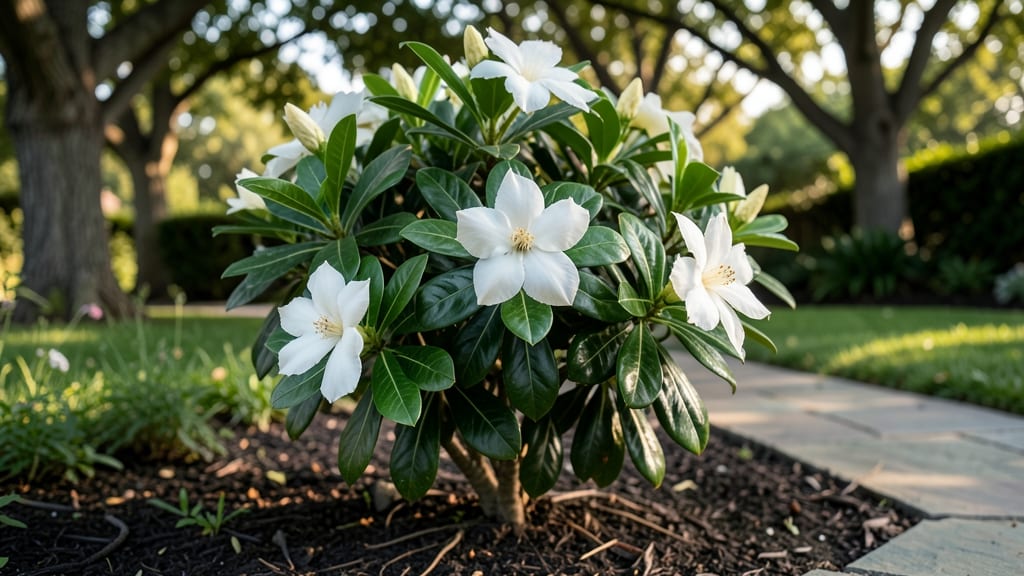
Gardenias in Texas bloom between April and June, but the exact timing depends on your variety and whether you’re in North or South Texas—where the heat arrives weeks earlier.
If you’re dreaming of fragrant white blooms but wondering when gardenias will burst into color in Texas’ scorching summers, timing is everything—and it varies wildly by variety and region.
In USDA zones 8a–10b, early bloomers like 'Kleim’s Hardy' may start as soon as late March in South Texas, while slower varieties in North Texas might wait until May.
Below, I’ll break down the best months for each type, how to adjust care for your heat zone, and 5 proven tricks to coax blooms earlier—so you don’t miss a single 🌸.
Gardenia bloom times in Texas by variety (month-by-month guide)
Texas gardeners know that gardenias are the crown jewels of fragrant shrubs, but their bloom times can be as unpredictable as our weather. While most varieties prefer spring blooming, the exact timing depends on the variety and whether you're in North Texas (cooler winters) or South Texas (warmer winters).
For example, 'Kleim’s Hardy' often blooms earlier than 'Radicans', which can wait until late spring.
In Texas, gardenias typically bloom between February and June, with peak performance in March through May. However, South Texas varieties may start as early as January, while North Texas gardeners might see blooms push into early June.
The key is understanding your specific variety’s preferences and adjusting care to match your region’s climate.
If you're in North Texas, where winters can dip below freezing, gardenias like 'Kleim’s Hardy' are your best bet for early blooms. These varieties often start budding in late February and bloom by March, giving you a head start on fragrance.
Meanwhile, 'Veitchii' and 'Radicans' may wait until April or May to show off their flowers.
South Texas gardeners have the advantage of warmer winters, allowing varieties like 'Mystery' to bloom as early as February. The extended growing season means you might even see a second flush of blooms in late summer if conditions are right.
However, the intense summer heat can stress gardenias, so providing afternoon shade is crucial for prolonging blooms.
For late-season bloomers like 'Fortuniana', expect flowers to appear in May or June, especially in North Texas. These varieties often reward patience with larger, more fragrant blooms.
To encourage late blooming, avoid heavy pruning in early spring and focus on consistent watering and acidic soil to keep your gardenia thriving.
One common misconception is that gardenias bloom only once per year. While most varieties follow a spring blooming pattern, some—like 'Radicans'—may produce sporadic flowers in fall if given ideal conditions.
To maximize blooms, feed your gardenia with a balanced, acidic fertilizer in early spring and again after the first flush of flowers.
Regional adjustments are key. In East Texas, where humidity is higher, gardenias may bloom slightly later due to slower early-season growth. Conversely, West Texas gardeners should expect blooms to be more sporadic unless they provide extra care, like mulching and drip irrigation, to combat dry conditions.
To extend the blooming season, consider light pruning after the first flush of flowers to encourage new growth. Avoid heavy pruning, as it can reduce next year’s blooms. Also, deadhead spent blooms to redirect energy toward new flowers.
In South Texas, where summers are brutal, providing afternoon shade can help gardenias bloom longer into the season.
If you're new to growing gardenias in Texas, start with 'Kleim’s Hardy' for reliable early blooms or 'Mystery' for a compact, fragrant option. Both varieties are well-suited to Texas’ climate and will reward you with months of intoxicating fragrance when cared for properly.
How Texas heat zones and soil affect gardenia blooming seasons
Texas gardeners know that gardenia blooming seasons are a delicate balance between USDA heat zones and soil conditions. In zones 7b–9a, where most of Texas falls, timing can shift dramatically—sometimes by months—depending on your location and care routine.
For example, Houston’s humid heat (zone 8b) often pushes blooms earlier than Dallas’ drier climate (zone 8a).
The key to unlocking those fragrant white blooms lies in understanding how soil pH, moisture levels, and even pruning techniques interact with your local climate. Gardenias thrive in acidic soil (pH 5.0–6.0), but Texas’ alkaline soils often need amendments like sulfur or pine bark.
Without the right conditions, your plant might produce leaves but no flowers, leaving you wondering why your gardenia isn’t blooming at all.
⚠️ WARNING: Common Mistake in Texas Heat Zones Gardenias in zones 8b–9a often struggle with heat stress, which delays or prevents blooming.
Overwatering in summer can drown roots, while underwatering in winter stresses plants. Soil compaction from heavy clay (common in East Texas) also blocks root growth. Fix it: Test your soil pH annually, mulch with pine straw, and water deeply early in the morning to avoid fungal issues.
Skipping these steps can mean no blooms by May, even in ideal varieties like 'Kleim’s Hardy'.
Let’s break down how USDA zones 7b–9a influence bloom timing. In North Texas (7b–8a), gardenias typically bloom from late April to June, while South Texas (8b–9a) sees flowers as early as March—but only if winter chills (below 40°F) trigger dormancy.
Without proper winter dormancy, blooms may never form. For instance, 'Radicans' gardenias in Austin (8a) often bloom in May, but in San Antonio (8b), they might start as early as April.
Soil moisture plays a critical role too. Gardenias need consistent humidity, but Texas summers can bake soil dry in days. In West Texas (9a), where rainfall is scarce, gardenias may bloom sparingly or not at all without drip irrigation or self-watering systems.
I’ve seen 'Veitchii' gardenias in El Paso (9a) produce only a handful of blooms unless I add hydrating mulch like coconut coir.
Pruning also shifts bloom timing. Light pruning in late winter (just after last frost) encourages earlier flowers, while heavy pruning in summer can delay blooms until fall. In East Texas (8a–8b), where humidity is high, I prune after blooming to avoid fungal diseases.
Meanwhile, in West Texas (9a), I prune in early spring to protect buds from sudden heat spikes.
To maximize blooms, pair soil amendments with seasonal care. For example, add composted pine needles in fall to acidify soil, then fertilize lightly in spring with an 8-3-9 formula.
Avoid high-nitrogen fertilizers—they promote leafy growth over flowers. With the right approach, your gardenia can bloom twice a year in Texas: once in spring and again in fall. 🌸