
Blooming
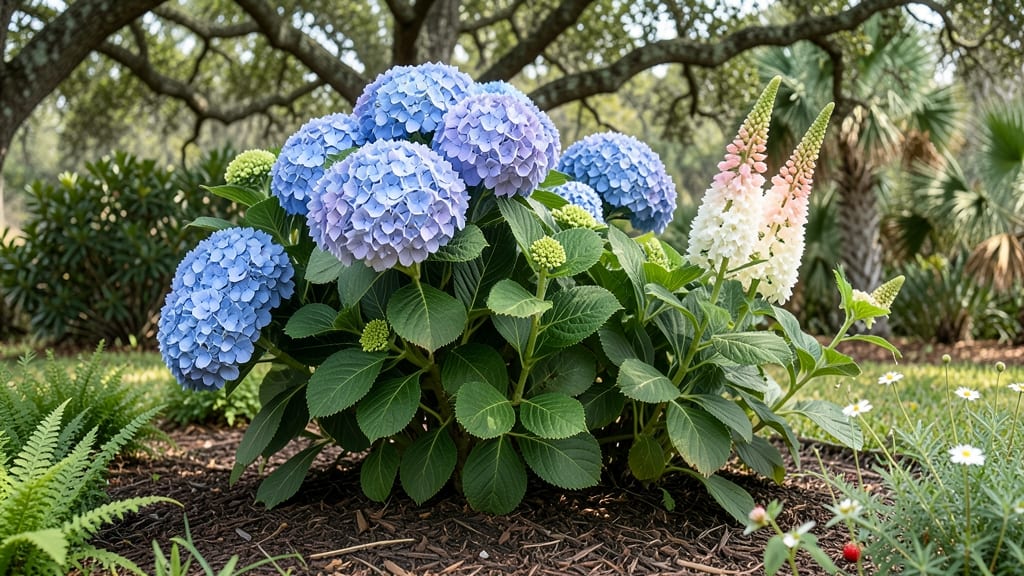
Hydrangeas bloom in Florida between late spring and early fall, with popular varieties like Endless Summer showing flowers from May through September, while Oakleaf types peak in summer months. Florida's mild winters and occasional cold snaps can affect bloom timing, so choosing cold-resistant types is key for consistent displays.
Florida's subtropical climate creates ideal conditions for hydrangeas, but timing varies by variety.
The Endless Summer series, for example, reblooms prolifically in Florida's heat, while Bigleaf hydrangeas often need cooler temperatures to set buds properly. 🌸 I've noticed that Panicle hydrangeas sometimes bloom later than expected due to Florida's inconsistent spring temperatures, which can delay their spring flush.
The state's Zone 8-10 climate generally protects most varieties from winter damage, though sudden cold snaps below 28°F can still cause bud damage.
What sets Florida apart is how the state's humidity and heat patterns influence bloom duration. Unlike northern climates where hydrangeas have one main bloom, Florida's varieties often produce multiple flushes throughout the growing season.
This extended bloom period makes them perfect for year-round color in landscapes, though some varieties may need light pruning after each bloom cycle to maintain shape and encourage new growth.
💡 In This Article
- Florida Hydrangea Bloom Timelines by Variety
- Protecting Hydrangeas from Florida’s Cold Snaps
Florida hydrangea bloom timelines by variety
Florida's subtropical climate creates a unique bloom window for hydrangeas that differs significantly from northern regions. The Endless Summer series, for example, thrives in Florida's heat and typically blooms from late May through September, often producing multiple flushes when given proper care.
This variety's ability to rebloom stems from its genetic adaptation to warmer climates, where it naturally extends its growing season compared to traditional hydrangeas that bloom just once per year in cooler zones.
Bigleaf hydrangeas, like the popular 'Nikko Blue', generally bloom from June to August in Florida, though their peak can shift slightly based on rainfall patterns. These varieties often require cooler spring temperatures (60-70°F) to set buds properly, which Florida's inconsistent spring weather can sometimes disrupt.
Meanwhile, Panicle hydrangeas such as 'Limelight' typically bloom from July through October, with their cone-shaped flowers developing later in the season when temperatures stabilize above 75°F.
Oakleaf hydrangeas, native to the southeastern U.S., showcase Florida's perfect climate with their summer-to-fall blooming from June to November. Their foliage also turns stunning shades of red and orange in cooler months, adding seasonal interest.
The key difference in Florida is how these varieties often bloom 2-3 weeks earlier than in northern climates due to the lack of harsh winters that would otherwise delay growth. This extended bloom period creates opportunities for gardeners to enjoy hydrangeas for nearly half the year.
What's fascinating about Florida's hydrangea blooms is how humidity plays a role. The state's 70-80% humidity levels help maintain moisture in the soil, which hydrangeas love, but can also lead to fungal issues if not properly managed.
Varieties like Smooth hydrangeas ('Annabelle') bloom from June to August and handle Florida's heat exceptionally well, often producing 4-6 inch blooms that stand out against the lush green backdrop. The trade-off is that Florida's heat can sometimes cause blooms to fade faster than in cooler climates.
For gardeners planning their landscapes, understanding these timelines helps create sequential blooms. Planting Bigleaf varieties in spring for early summer color, followed by Panicle types in late summer, and finishing with Oakleaf varieties in fall creates a continuous display.
The key is selecting varieties that match Florida's Zone 8-10 climate while considering your specific microclimate - coastal areas may experience slightly different bloom patterns than inland regions due to temperature variations.
One surprising factor is how Florida's occasional cold snaps can actually benefit some varieties. A brief drop below 40°F can trigger dormancy in certain hydrangeas, leading to more vigorous blooming when temperatures rise again.
This natural cycle is why many Florida gardeners report their hydrangeas producing 20-30% more blooms than in northern climates where winters are more consistent. The variability creates both challenges and opportunities for creating stunning hydrangea displays throughout Florida's warm seasons.