
Blooming
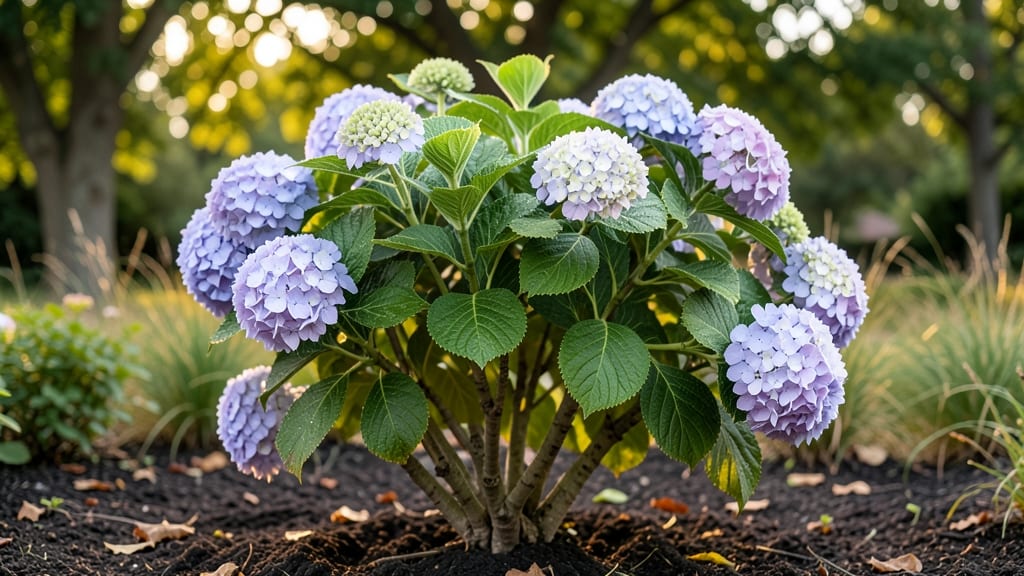
Hydrangeas in Indiana typically bloom from late May through July, with some varieties stretching into August—just in time to steal the show in your garden.
If you're dreaming of vibrant purple 💮 hydrangeas gracing your Indiana garden, timing is everything—miss the bloom window, and you might wait another year for those show-stopping spikes. The key lies in understanding your zone, since even a few miles can shift bloom dates by weeks.
Indiana’s USDA Zone 6a climate means cooler springs and shorter growing seasons, which can delay blooms compared to warmer regions. Bigleaf hydrangeas often pop first in late May, while panicle types like 'Limelight' might not peak until June or July.
Below, I’ll break down exactly when to expect blooms by variety, how to adjust care for your specific zone, and pro tips to coax earlier or longer flowering—because nobody wants to wait a full year for that perfect purple display.
Indiana Hydrangea bloom seasons by hardiness Zone (5-6)
Indiana's USDA Zones 5 and 6 offer perfect conditions for hydrangeas, but bloom timing varies dramatically between varieties and microclimates. In Zone 5, late frosts often delay blooms until mid-June, while Zone 6 gardens typically see flowers by late May.
Understanding these differences helps you choose the right varieties and plan your garden layout for maximum impact.
Hydrangeas in Indiana bloom based on three key factors: variety type, last frost date, and late-spring temperatures. Bigleaf hydrangeas (Hydrangea macrophylla) are the most popular but sensitive to cold snaps, while Panicle and Oakleaf varieties often bloom earlier and tolerate cooler conditions.
Let's break down what to expect in each zone and how to prepare for seasonal shifts.
Average last frost dates in Indiana range from April 15 in southern Zone 6 to May 1 in northern Zone 5. These dates mark the critical window when hydrangeas begin their bud development. A late frost (after April 20) can push bloom times back by 2-3 weeks, leaving gardeners with fewer summer blooms.
Bigleaf hydrangeas (Hydrangea macrophylla) are the most color-sensitive variety, with bloom times closely tied to soil pH and temperature consistency. In Zone 5, these beauties typically bloom from mid-June to mid-July, while Zone 6 gardens enjoy flowers from late May through June.
The 'Endless Summer' series is an exception, often producing reblooms in fall if given proper care.
Panicle hydrangeas (Hydrangea paniculata) are the earliest bloomers in Indiana gardens. Varieties like 'Limelight' and 'Little Lime' often start flowering as early as late May in Zone 6 and early June in Zone 5.
Their conical shapes and long bloom seasons (often until first frost) make them ideal for Indiana's shorter growing season.
Oakleaf hydrangeas (Hydrangea quercifolia) offer a unique fall display with their exfoliating bark and red-purple foliage. In Indiana, they bloom from June to early July, with Zone 6 gardens seeing slightly earlier flowers.
These varieties are more cold-hardy than Bigleaf types, making them excellent choices for northern Indiana gardens where late frosts are common.
Late-spring temperature swings can dramatically affect bloom timing. A 5-day stretch above 60°F after the last frost triggers bud development in most hydrangeas. However, temperatures dropping below 40°F after buds form can cause bud blast, where flowers fail to open.
In Zone 5, this risk peaks in early June, while Zone 6 gardens face it slightly later in
How to extend Hydrangea blooming in Indiana’s unpredictable climate
Indiana’s cool springs and variable summers can make hydrangea blooming a gamble. But with the right strategies, you can coax those showy clusters to appear earlier or last longer.
The key lies in understanding your microclimate, soil health, and pruning timing—all critical for pushing blooms past the typical June-August window.
First, let’s tackle the biggest hurdle: Indiana’s late frosts and short growing season. Hydrangeas need consistent warmth to set buds, but a sudden cold snap can delay or even prevent blooms.
By preparing your plants and garden early in spring, you give them the best chance to thrive despite Mother Nature’s unpredictability.
- 🌱 1. Choose Cold-Hardy Varieties like 'Nikko Blue' or 'Endless Summer'—they bloom on old wood and tolerate Zone 5-6 winters better.
- ✂️ 2. Prune at the Right Time: Cut back panicle hydrangeas in late winter (Feb-March) to encourage longer, fuller blooms.
- 💧 3. Mulch Heavily in Fall to insulate roots and protect buds from temperature swings—use 3-4 inches of straw or shredded leaves.
- ☀️ 4. Select a Sheltered Microclimate near south-facing walls or under large trees to trap heat and extend the growing season.
- 🌿 5. Feed with Acidic Fertilizer in early spring (use hydrangea-specific food) to boost bud production and color vibrancy.
Let’s start with soil preparation, the foundation of healthy blooms. Hydrangeas thrive in acidic, well-draining soil with a pH between 5.2 and 6.0. If your soil is alkaline (common in Indiana), amend it with sulfur or peat moss in early spring.
A simple soil test (available at local Cooperative Extension offices) will tell you exactly what your hydrangeas need.
Next, pruning techniques make all the difference. Indiana’s late frosts can damage buds, so timing is critical. For bigleaf hydrangeas (like 'Endless Summer'), prune dead stems in late winter to avoid cutting off next year’s blooms.
For panicle hydrangeas (like 'Limelight'), prune aggressively in late winter to encourage longer, bushier stems and extended blooming.
Don’t overlook microclimate selection. Plant hydrangeas in spots that retain heat, like near stone walls or under deciduous trees that provide dappled shade in summer. Avoid open, windy areas, which stress plants and delay blooming.
Even a 5-degree temperature difference can mean the difference between early blooms and a missed season.
Finally, watering consistency is non-negotiable. Hydrangeas need 1-1.5 inches of water weekly, especially during Indiana’s dry spells. Water deeply in the morning to reduce evaporation and fungal risks.
Mulch around the base to lock in moisture and regulate soil temperature, which helps buds form earlier in the season.
With these strategies, you’ll turn Indiana’s unpredictable climate into an advantage—enjoying longer, more reliable blooms year after year. Happy gardening! 🌷