
Blooming
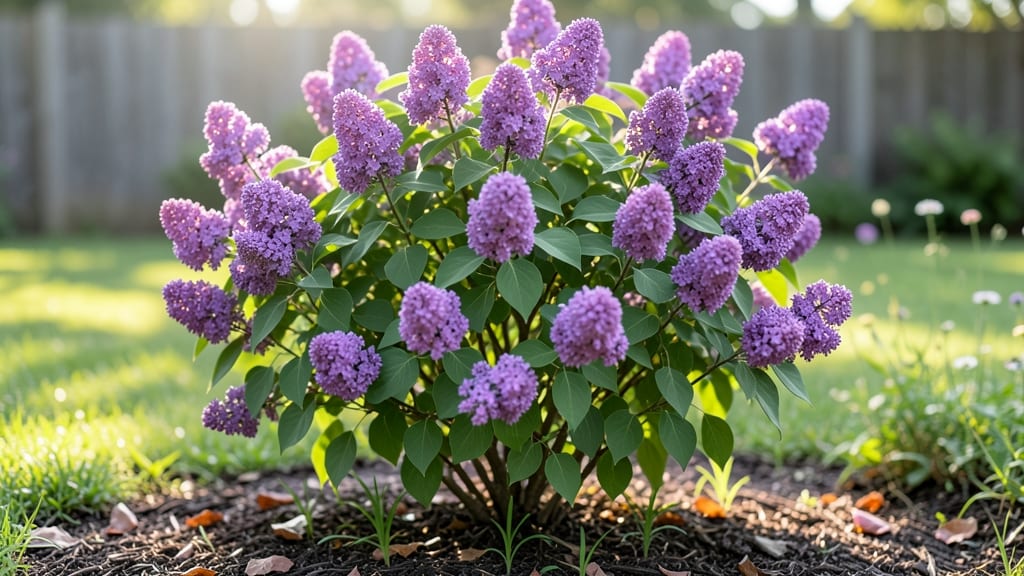
Lilacs bloom in Colorado between late April and early June, but the exact timing depends on elevation and variety—Denver gardens often see their first fragrant 🌸 clusters by mid-May, while mountain regions may wait until June.
If you're dreaming of fragrant purple clouds in your Colorado garden, timing is everything—lilacs bloom in waves across the state, with elevation and variety shifting their schedules dramatically.
A Katherine Havemeyer in Denver might burst into bloom by late April, while a Dwarf Korean in Colorado Springs could linger until early June.
For gardeners, understanding these windows means you can plan pruning, soil prep, and even companion plants to extend the blooming season. The right variety in the right spot can turn your yard into a springtime perfume factory, with some lilacs lasting two weeks or more if cared for properly.
Below, I’ll break down how elevation changes bloom times, the best varieties for Colorado’s zones, and simple tricks to get your lilacs blooming earlier—or keeping them going longer—than your neighbors’.
Lilac bloom times in Colorado by elevation: Front Range vs. mountains
Colorado's dramatic elevation changes create a fascinating lilac bloom calendar. In Denver's Front Range (5,000-7,000 ft), lilacs typically burst into color between mid-April and early May, while high-country gardens above 8,000 ft may see blooms delayed until late May or June.
This shift happens because cooler mountain air slows plant development by 2-4 weeks compared to lower elevations.
The 'Katherine Havemeyer' variety, known for its deep purple blooms, often opens 5-7 days earlier at lower elevations than in the mountains. Meanwhile, 'Dwarf Korean' lilacs—popular for their compact size and intense fragrance—follow similar patterns but bloom slightly later, around late April to mid-May on the Front Range.
| Lilac Variety | Front Range Bloom Time (5,000-7,000 ft) | Mountain Bloom Time (8,000+ ft) | Key Notes |
|---|---|---|---|
| 'Katherine Havemeyer' | Mid-April to early May | Late May to early June | Deep purple blooms, early bloomer |
| 'Dwarf Korean' | Late April to mid-May | Early to mid-June | Compact, intensely fragrant |
| 'Miss Kim' | Early May to early June | Late June to early July | Dwarf variety, late bloomer |
| 'Common Lilac' | Late April to early May | Mid-May to early June | Classic purple, reliable bloomer |
If you're gardening in Denver or Boulder, expect your lilacs to bloom 2-3 weeks earlier than those in Estes Park or Aspen. The 1,000-foot elevation difference between these areas can shift bloom times by almost a month.
For example, lilacs in Colorado Springs (6,000 ft) typically bloom 3-5 days earlier than those in Denver (5,280 ft) due to slightly warmer daytime temperatures.
Microclimates also play a role. Lilacs planted in sheltered urban gardens—like those near buildings or fences—often bloom 1-2 weeks earlier than those in open, windy areas. This happens because urban heat islands create warmer microclimates that accelerate growth.
Conversely, high-altitude gardens above 9,000 ft may experience delayed or lighter blooms due to shorter growing seasons and cooler soils.
To predict bloom times in your garden, monitor bud swell in early spring. When buds turn pink or white and begin to open, blooming is just 7-10 days away.
In Denver, this usually happens around mid-April, while in Aspen, it may not occur until late May. Pay attention to last frost dates—lilacs can tolerate light frost, but heavy freezes (below 25°F) may damage buds.
For gardeners in Colorado's high country, consider hardier varieties like 'Miss Kim' or 'Purple Robe', which bloom later and handle cooler temperatures better. These varieties often produce smaller but more abundant blooms compared to their Front Range counterparts.
In Denver's urban gardens, where summers can be hot, regular watering (especially during May and June) helps maintain vibrant blooms and prevents stress.
One surprising fact: Colorado's lilacs often bloom twice—once in spring and again in early fall. This second flush, though smaller, can occur in September or October if the plant receives enough sunlight and water.
In mountain regions, this fall blooming is more common due to cooler nights that extend the growing season slightly.
To extend your lilac's bloom time, prune after flowering (typically in June or July) to remove old wood and encourage new growth. Avoid heavy pruning in fall or winter, as this can reduce next year's blooms.
In high-altitude gardens, mulching with 3-4 inches of organic matter helps insulate roots and promotes earlier spring growth.
If you're planning a lilac-themed wedding or garden party, time it right! For Denver gardens, aim for late April to early May, while mountain gardens will peak in late May to June.
Pro tip: Plant a mix of early, mid, and late-blooming varieties to create a continuous display from April through June
Best lilac varieties for Colorado’s climate and their bloom schedules
Colorado’s diverse climate—from Denver’s USDA Zone 5b to high-altitude Zone 6a—means lilacs bloom in three distinct waves. Early bloomers like 'Mme. Lemoine' burst into color as soon as late April, while late varieties such as 'Katherine Havemeyer' wait until mid-May to showcase their fragrance.
Choosing the right variety ensures your garden smells like spring for weeks, not just days.
Fragrance is non-negotiable in Colorado’s windy gardens. The 'Dwarf Korean' variety delivers intense sweetness with minimal space, while 'Common Purple' offers classic charm but needs extra protection from late frosts. For drought-tolerant options, 'Bloomerang' reblooms in fall—a rare treat in Colorado’s short season.
'Mme. Lemoine' is my top pick for early bloomers—it thrives in Denver’s Zone 5b and releases heavenly lavender by late April. To encourage blooms, prune right after flowering (June) and avoid cutting into old wood. For high-altitude gardens (6,000+ ft), mulch heavily with wood chips to protect roots from temperature swings.
If you crave longer bloom times, 'Bloomerang' is a game-changer. This variety reblooms in fall (September-October), giving Colorado gardeners a second chance at fragrance. Plant it in well-draining soil with afternoon shade—critical for mountain climates where afternoons can scorch tender blooms.
For low-maintenance options, 'Common Purple' is a classic. Its vibrant purple spikes appear in early May and last 2-3 weeks. To extend its life, water deeply once a week and avoid over-fertilizing—too much nitrogen reduces blooms. Pair it with dwarf conifers to create a fragrant living screen.
Pro tip: Plant lilacs near patios where their scent lingers after rain. In Colorado Springs (Zone 5a), expect blooms 1-2 weeks later than Denver due to cooler nights. Adjust pruning timing accordingly—wait until after May 15 to avoid cutting off next year’s buds.
Colorado’s lilac season is short but sweet. By choosing varieties that match your elevation and microclimate, you’ll turn your yard into a fragrant sanctuary from late April to early June. Start with one variety, then expand—your nose (and neighbors) will thank you. 🌸