
Blooming
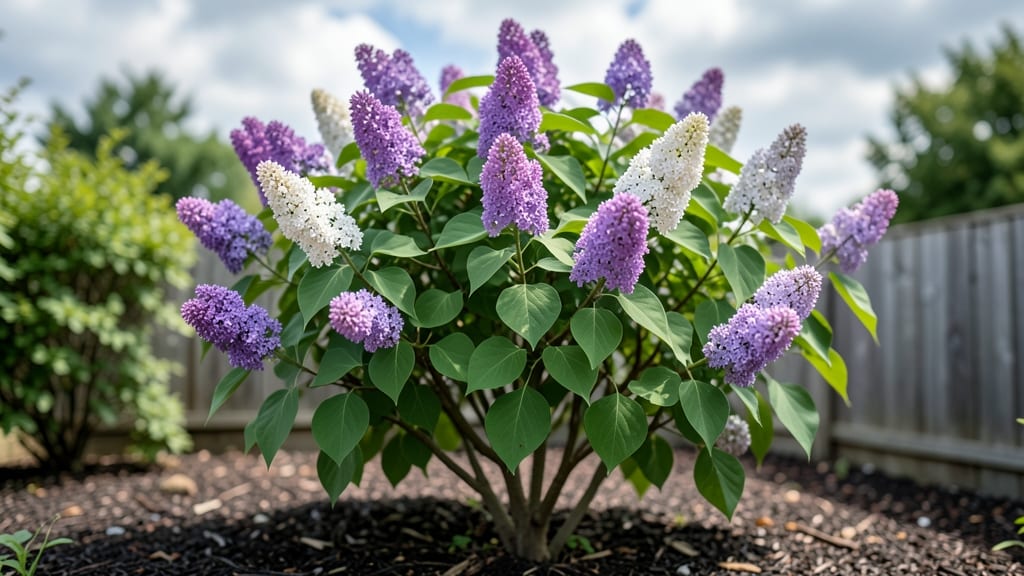
Lilacs bloom in Ohio between late April and early May, when the air fills with their iconic fragrance 🌸 — but the exact timing depends on your hardiness zone and the variety you’ve planted.
If you’ve ever caught the intoxicating scent of lilacs drifting through Ohio’s spring air, you know their fleeting beauty is worth waiting for—but when exactly should you expect those fragrant blooms?
Most Ohio lilacs follow a predictable schedule, with Zone 6a gardens typically seeing blooms by mid-May, while earlier varieties in warmer microclimates might surprise you with flowers as soon as late April.
Below, I’ll break down the zone-specific bloom windows, how to predict your lilac’s timing, and tips to extend their season so you don’t miss a single petal.
Ohio lilac blooming seasons by hardiness zones: 5-9 breakdown
Ohio’s diverse climate creates a beautiful mosaic of lilac blooming seasons, with hardiness zones 5-9 offering distinct bloom windows. Whether you're in northern Ohio (zone 5a) or southern Ohio (zone 7a), understanding these timelines helps you anticipate—and fully enjoy—that signature lilac fragrance.
The key difference? Frost timing and soil temperature shifts that can push blooms earlier or later by weeks.
Lilacs typically bloom in late spring, but Ohio’s microclimates create variations. For example, urban areas like Columbus (zone 6b) often see blooms 1-2 weeks earlier than rural areas in the same zone due to the urban heat island effect.
Meanwhile, younger shrubs (under 3 years old) may bloom 2-3 weeks later than mature plants, so age matters too.
Here’s the breakdown you’ve been waiting for—zone-specific bloom windows with frost risk factors to help you plan:
| Zone | Avg. Bloom Window | Frost Risk | Notes |
|---|---|---|---|
| 5a | Late May - Early June | High (last frost: May 10) | Coldest zone; late bloomers common |
| 5b | Mid-May - Late May | Moderate (last frost: May 1) | Slightly earlier than 5a |
| 6a | Early May - Mid-May | Low (last frost: April 15) | Peak bloom aligns with tulips |
| 6b | Late April - Early May | Very Low | Urban areas bloom earliest |
| 7a | Mid-April - Late April | Minimal | Early bloomers may face light frost |
In zone 5a, where winters are harshest, lilacs often wait until late May to bloom, playing it safe against late frosts. By contrast, zone 7a gardeners in southern Ohio can expect blooms as early as mid-April, sometimes even overlapping with daffodils.
This 2-week difference across Ohio’s zones means timing your garden visits—or even your lilac pruning—requires local knowledge.
Did you know soil temperature triggers lilac blooms? Roots need to warm to 50°F (10°C) before buds swell. In colder zones like 5a/5b, this can delay blooms by 10-14 days compared to warmer zones.
To check, bury a soil thermometer near your lilac’s roots in early spring—when it hits 50°F consistently, blooms are 3-4 weeks away.
Another pro tip: Early bloomers (like ‘Dwarf Korean’ lilacs) often appear 1 week before standard varieties. If you’re in zone 6b or warmer, these can start blooming in late April, while ‘Katherine Havemeyer’ (a late bloomer) might not peak until early June in zone 5a.
Planting a mix of varieties ensures extended fragrance from April through June.
Frost is the biggest threat to early blooms. In zone 6a/6b, a late April frost can damage 30-50% of buds. To protect your lilacs, cover them with frost cloth when nighttime temps drop below 32°F (0°C).
For zone 5a/5b, this is almost guaranteed—so wait until mid-May to enjoy unfrosted blooms.
Ready to extend your lilac season? Plant near a south-facing wall or evergreen hedge to create a microclimate that warms soil faster.
In urban gardens, paved surfaces and buildings can push blooms 7-10 days earlier—so if you’re in Columbus or Cincinnati (zone 6b), expect lilacs to start in late April.
Finally, pruning history affects bloom timing. If you pruned in late summer or fall, your lilac may bloom 2-3 weeks later than usual. Always prune right after blooming (late May-June) to encourage next year’s buds on old wood—this keeps blooms on schedule.
Mark your calendar for late April to early June, grab your pruners, and get ready to savor Ohio’s most fragrant spring show. Which zone are you in? Let me know in the comments how your lilacs performed this year! 🌸
How to predict your lilac’s bloom time based on last year’s growth
Predicting when your Ohio lilacs will bloom isn’t just guesswork—it’s a mix of science and observation. By tracking your plant’s growth patterns and understanding how microclimates affect timing, you can estimate bloom dates within a 1-2 week window.
This method works especially well for gardeners in USDA Zones 5-7, where Ohio’s varied climate creates distinct bloom windows.
Start by noting your lilac’s maturity stage—older, established shrubs typically bloom 2-3 weeks earlier than younger plants. For example, a 5-year-old lilac in Zone 6a (like in Columbus) may bloom around mid-April, while a 2-year-old might wait until early May.
Your plant’s pruning history also plays a critical role—heavy pruning after blooming can delay next year’s flowers by 10-14 days.
- 🌱 Plant Age: Mature lilacs (5+ years) bloom 2-3 weeks earlier than young plants.
- ✂️ Pruning Timing: Prune after blooming—never in late summer—to avoid delaying next year’s flowers.
- ☀️ Sun Exposure: South-facing lilacs bloom 1 week earlier than north-side plants in Ohio.
- 🌡️ Soil Temperature: Warmer microclimates (urban areas) trigger blooms 5-7 days sooner than rural zones.
- 📅 Last Year’s Bloom Date: Add 135-150 days to estimate next year’s timing (adjust for early/late bloomers).
Ohio’s regional microclimates can shift bloom times dramatically. For instance, lilacs in Toledo (Zone 6a) often bloom 3-5 days later than those in Cincinnati (Zone 6b) due to cooler lake-effect winds.
Urban areas like Columbus may see earlier blooms because of the urban heat island effect, where pavement and buildings trap warmth. To account for this, observe nearby mature lilacs in similar conditions—your plant’s timing will likely align closely.
Track your lilac’s bud development in late winter. Healthy buds should swell noticeably by mid-March in most of Ohio. If buds appear small or shriveled, your plant may be stressed from over-pruning or poor drainage.
In Zone 5b (like in Youngstown), watch for late frost risks—if buds swell before April 15, consider covering them with frost cloth to protect delicate flowers.
For a data-driven estimate, combine last year’s bloom date with your plant’s growth rate. If your lilac bloomed on April 20th last year and grew 12 inches taller this season, expect blooms around April 13th-18th.
Adjust ±3 days based on whether this winter was warmer or colder than average. Pro tip: Use a garden journal to log bud swell dates, bloom start/end, and local weather anomalies—this creates a personalized timeline over time.
Remember, even with precise predictions, Ohio’s unpredictable spring weather can throw off bloom times by up to 10 days. If your lilac blooms earlier than expected, it may signal over-fertilization or excessive sunlight.
Conversely, late bloomers often need better drainage or winter mulch to protect roots. By tuning into these clues, you’ll not only predict bloom times but also optimize your lilac’s health for years to come. 🌸