
Blooming
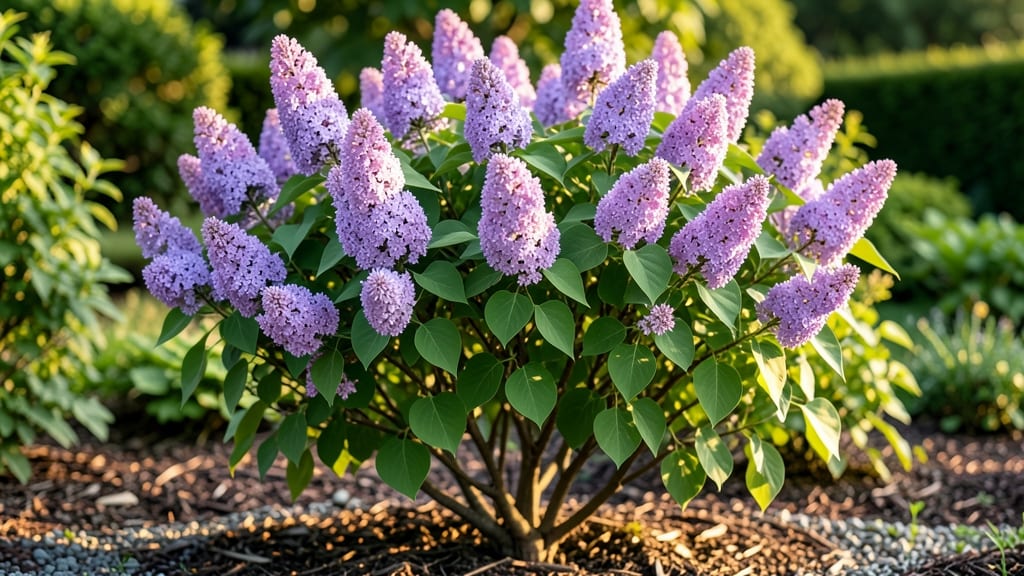
Lilacs bloom in Indiana between mid-April and early May, with timing influenced by USDA hardiness zones and late frost risks, where 'Katherine Havemeyer' varieties often appear first in Zone 5 and slightly later in Zone 6.
Indiana's spring weather creates a dramatic window for lilac blooms, where timing shifts by 1-2 weeks between northern and southern regions. 🌸 In Zone 5, where average last frost dates hover around April 15, lilacs often push through early, while Zone 6 gardens may see delayed flowering until late April.
The key factor is frost sensitivity—buds can't survive temperatures below 28°F, so late-season cold snaps might nip early blooms in the bud.
This variability explains why gardeners in Zone 5 sometimes spot blooms by early April, while their Zone 6 neighbors might not see color until May. Microclimates near lakes or urban heat islands can also advance blooming by 3-5 days, making precise predictions tricky.
For consistent displays, plant frost-hardy varieties like 'Dwarf Korean' in sheltered locations with southern exposure.
💡 In This Article
- Indiana Hardiness Zones and Lilac Bloom Timing
- Protecting Lilacs from Late Indiana Frosts
Indiana hardiness zones and lilac bloom timing
Indiana spans USDA hardiness zones 5 and 6, where average last frost dates create a natural bloom gradient. In Zone 5, where temperatures drop to −20°F in winter, lilacs often begin flowering as early as late March in sheltered microclimates, with peak blooms arriving by mid-April.
Zone 6's milder winters (−10°F) push blooming into late April or early May, sometimes delayed by 1-2 weeks due to slower spring warming.
The critical threshold for lilac buds is 28°F—below this, delicate flowers can suffer frost damage. Indiana's notorious late frosts (occurring through early May) explain why gardeners in northern Indiana sometimes see 50% bloom loss on early varieties like 'Sybille'.
Varieties like 'Katherine Havemeyer' (Zone 3-7) are bred for resilience, but their timing still correlates with cumulative warmth: 100 growing degree days above 45°F typically trigger budbreak.
Microclimates play a surprising role—urban heat islands in Indianapolis can advance blooming by 3-5 days compared to rural areas, while lake-effect cooling near Lake Michigan may delay flowering by up to 10 days.
Planting lilacs against south-facing walls or near evergreen windbreaks can create localized warmth, shifting bloom windows by 1-2 weeks in frost-prone areas. The scent of lilacs in full bloom carries 500 feet on calm days, making their timing especially noticeable in suburban neighborhoods.
For precise predictions, track Indiana's spring chill accumulation—lilacs require 200-300 hours below 45°F to break dormancy. The Purdue Extension's frost calendar shows that 80% of Indiana experiences its last spring frost by April 15, but northern counties like Lake County often see late frosts into May.
This variability means gardeners should monitor local forecasts and consider frost-hardy varieties like 'Purple Plume' for more reliable displays.
Color intensity also varies by zone—Zone 5 lilacs often develop deeper purples due to cooler spring nights, while Zone 6 blooms may appear slightly paler. The contrast between early and late bloomers creates a 3-week visual progression across Indiana gardens, from northern 'Dwarf Korean' lilacs in April to southern 'Mme.
Lemoine' varieties in May. This staggered bloom pattern makes lilacs a reliable harbinger of spring's progression.
What most gardeners don't realize is that lilac bloom timing correlates with humidity levels—dry springs can advance flowering by 7-10 days as plants respond to stress.
The 2021 drought in northern Indiana saw lilacs bloom 2 weeks early in some areas, while wet springs like 2020 delayed blooms by 10 days due to slower soil warming. 🌸