
Blooming
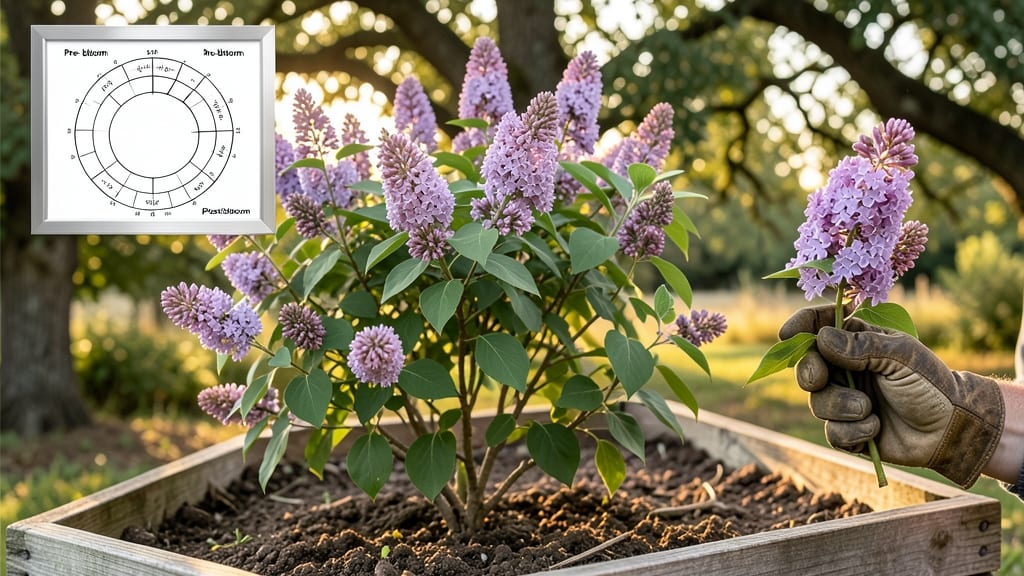
Lilacs bloom every year under ideal conditions, but some varieties may skip flowering if they experience stress from poor care, inadequate sunlight, or nutrient deficiencies. Consistent annual blooms depend on proper pruning, well-draining soil, and six or more hours of sunlight daily.
Lilacs are famous for their springtime fragrance, but their blooming habits depend on more than just time of year. 🌸 Many lilacs store flower buds on last year's growth, so if you prune too aggressively in late winter or early spring, you risk removing next year's blooms before they even open.
The key is timing—prune right after flowering to avoid cutting into next season's buds. Some newer varieties, like 'Dwarf Korean Lilac,' are bred to rebloom later in the season if given proper care, while older cultivars might need extra attention to produce flowers year after year.
Healthy soil and consistent moisture also play a huge role. Lilacs thrive in well-draining soil with a slightly alkaline pH, and they're surprisingly drought-tolerant once established. However, during their first few years, they need regular watering to develop strong root systems.
I've found that adding a balanced fertilizer in early spring gives them the nutrients they need to produce abundant blooms. The difference between a lush lilac bush and one that barely flowers often comes down to these small but critical care details.
💡 In This Article
- Why Some Lilacs Skip Blooming: Environmental and Care Factors
- Best Lilac Varieties for Reliable Annual Blooms and Care Tips
Why some lilacs skip blooming: environmental and care factors
Lilacs bloom through a complex interplay of environmental cues and physiological processes. The flowers develop on one-year-old wood, meaning buds form after the previous year's growth. When temperatures drop below 50°F in late fall, lilacs enter dormancy, and their buds begin setting for next spring's blooms.
This process requires 60-90 days of chilling hours—if winters are too mild (like in zones 8-9), lilacs may fail to set buds properly, leading to skipped blooms. For example, in warmer climates, lilacs might produce fewer flowers or none at all if they don't get enough cold exposure.
Sunlight is another critical factor. Lilacs need full sun (6+ hours daily) to photosynthesize and build energy for flowering. In shady spots, the plant's energy goes toward leaf growth instead of bud formation. I've noticed that lilacs in partial shade often produce smaller, less fragrant blooms or skip flowering entirely.
Soil health also matters—lilacs thrive in well-draining, slightly alkaline soil (pH 6.5-7.5). Poor drainage or compacted soil can starve roots of oxygen, stressing the plant and reducing blooms.
A simple soil test can reveal if your lilac's environment is lacking essential nutrients like phosphorus or potassium, which are vital for flower production.
Stress from improper care is a common culprit behind skipped blooms. Over-pruning in late winter removes next year's flower buds before they open. Always prune lilacs right after flowering, never in early spring.
Drought stress also disrupts blooming—while established lilacs are drought-tolerant, they need 1-1.5 inches of water weekly during dry spells. Even a single season of underwatering can weaken the plant enough to skip flowering the following year.
I've seen lilacs in containers suffer this fate most often, as potted plants dry out faster and their roots can't access deep moisture.
Pests and diseases add another layer of complexity. Lilac borers, aphids, or fungal infections like powdery mildew can sap the plant's energy, leaving little for blooms. For instance, powdery mildew thrives in humid conditions and can cover leaves, blocking sunlight and reducing photosynthesis.
Regular inspections and treating issues early with neem oil or fungicides can prevent these problems. Even well-cared-for lilacs may skip a bloom cycle if they're recovering from a severe infestation or disease outbreak the previous year.
Age plays a surprising role too. Young lilacs (under 3 years old) often focus energy on root and stem growth rather than flowering. Similarly, mature lilacs over 20 years old may produce fewer blooms as they enter decline.
The sweet spot for consistent flowering is typically between 5-15 years, when the plant has established a strong root system but hasn't yet begun aging. This is why many gardeners replace older lilacs with newer, more vigorous varieties that bloom reliably year after year.
One fascinating exception is reblooming varieties like 'Dwarf Korean Lilac,' which can produce a second flush of flowers in late summer if given proper care. These varieties have been bred to respond to specific pruning and fertilizing techniques that encourage multiple bloom cycles.
The key is to prune lightly after the first bloom and apply a balanced fertilizer (10-10-10 ratio) in early summer to support new growth. This isn't typical for most lilacs, but it shows how selective breeding and careful management can override some of nature's usual patterns.