
Blooming
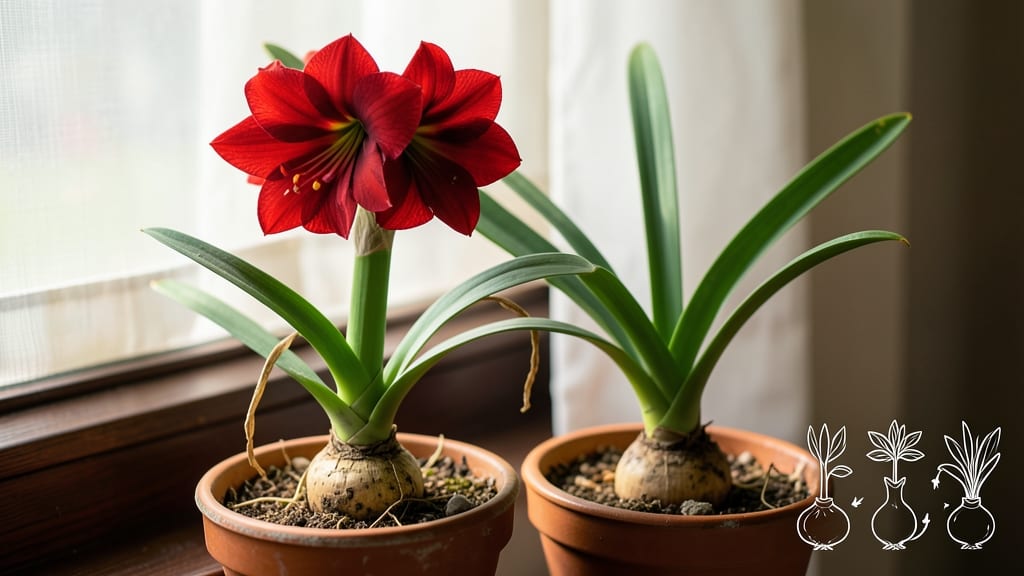
Amaryllis bulbs bloom every year only when you provide consistent care after their first flowers fade, including bright light exposure, regular fertilization, and a proper rest period. Skipping these steps forces most amaryllis into dormancy or stress, causing them to skip reblooming entirely.
Amaryllis bulbs are finicky about their needs—think of them like divas of the plant world. 🌸 After their first spectacular bloom, they need 6-8 hours of direct sunlight daily to recharge for next season, plus a balanced fertilizer every 4-6 weeks during the growing phase.
The real secret? A 6-8 week dormancy period in a cool, dry spot after blooming mimics their natural cycle, tricking the bulb into storing energy for future flowers. Without this break, they’ll just sit there looking sad instead of sending up another showstopping stalk.
Here’s the kicker: even with perfect care, some bulbs take 2-3 years to rebloom consistently. Patience is key—don’t rush the process by forcing growth during dormancy.
I’ve seen gardeners give up after one missed bloom, only to have their amaryllis reward them with two stalks the following year once they got the routine right.
💡 In This Article
- Why Amaryllis Bulbs Skip Reblooming (Science and Care Mistakes)
- Step-by-Step Guide to Encourage Year-Round Amaryllis Blooms
Why amaryllis bulbs skip reblooming (science and care mistakes)
Amaryllis bulbs rely on a precise biological cycle to rebloom each year, and when this cycle is disrupted, they simply refuse to cooperate.
The key factor is photosynthesis energy storage—these bulbs need 6-8 hours of direct sunlight daily during their active growing phase (spring through summer) to build up enough starch reserves in their scales. Without sufficient light, the bulb can't produce the florigen hormone, which triggers flower bud formation.
Think of it like a battery: if you don't charge it properly, it won't power the next bloom. 💡
The second major culprit is improper dormancy conditions. After blooming, amaryllis bulbs enter a natural rest period that mimics their South African winter. This requires 50-60°F temperatures and complete dryness for 6-8 weeks.
Many gardeners make the mistake of keeping bulbs in warm, moist conditions during this time, which prevents the bulb from conserving energy. The science here involves cell division slowdown—cool temperatures reduce metabolic activity, allowing the bulb to store nutrients instead of wasting them.
Without this break, the bulb remains in a state of stress and skips reblooming.
Nutrient deficiencies also play a surprising role. Amaryllis bulbs need balanced fertilization with higher phosphorus levels (the middle number on NPK labels) during their growing season to support flower development.
Too much nitrogen (the first number) promotes leaf growth at the expense of blooms, while too little phosphorus means the bulb can't develop strong flower buds. I've seen bulbs with lush green leaves but no flower stalks because they were over-fertilized with lawn fertilizer instead of a bloom-specific formula.
The ideal ratio is 10-20-10 NPK during the growing phase.
Watering habits often sabotage reblooming efforts too. These bulbs are sensitive to root rot from overwatering, which stresses the plant and prevents it from entering proper dormancy. The soil should be completely dry between waterings during dormancy, while the growing phase requires moderate moisture—never soggy.
Many people assume more water equals healthier plants, but amaryllis bulbs actually prefer slightly drier conditions, similar to how succulents thrive with infrequent watering. 💧
Even the pot size and soil mix affect reblooming success. Bulbs need snug pots (just 1-2 inches larger than the bulb itself) to encourage tight root growth, which stimulates flowering. Loose pots lead to weak root systems that can't support the energy demands of blooming.
The soil should be well-draining with a mix of 50% peat or coconut coir, 30% perlite, and 20% sand—this prevents waterlogging while providing aeration for roots. I've noticed that bulbs in heavy garden soil often fail to rebloom because their roots can't breathe properly.
One often-overlooked factor is age and bulb size. Younger bulbs (under 3 inches in diameter) often need 2-3 years to mature enough for consistent reblooming. The larger the bulb, the more energy it can store for flowering.
I've had clients become frustrated when their first-year bulbs didn't rebloom, only to have them produce two stalks the following year once they reached 4-5 inches in diameter. Patience is crucial—rushing the process by forcing growth or skipping dormancy rarely pays off in the long run.