
Blooming
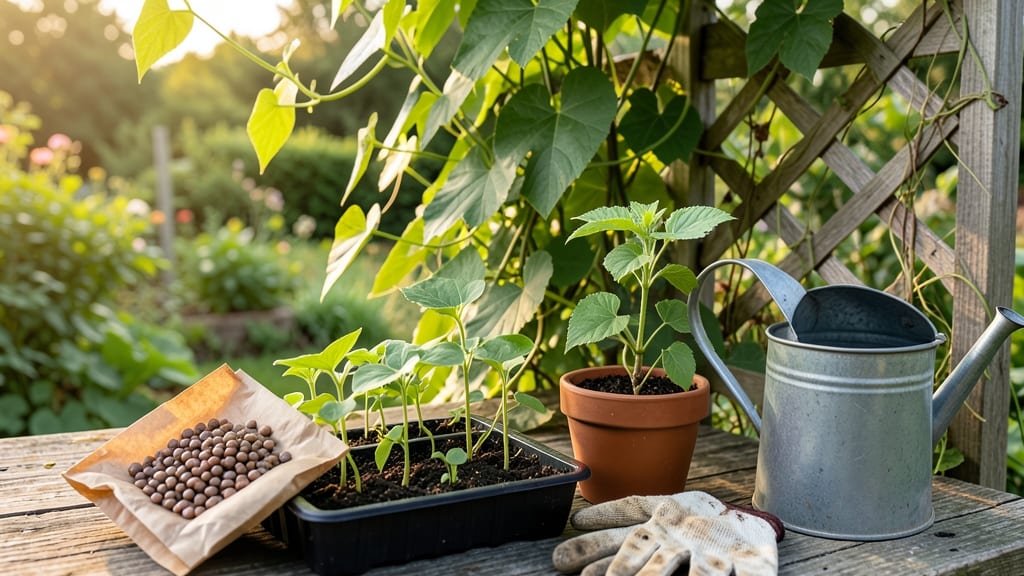
Morning glories bloom from seed in as little as 45 days—though most varieties take 60 to 90 days to show their first vibrant 🌸 blooms, depending on how you plant and care for them.
If you’ve ever planted morning glory seeds hoping for quick, vibrant blooms only to wait months for color, you’re not alone—these fast-growing vines have a surprising timeline that even experienced gardeners sometimes misjudge.
That’s because timing isn’t just about the seeds; it’s about sunlight, soil warmth, and even the variety you choose. Some fastest-blooming types like 'Heavenly Blue' can surprise you with flowers in under 60 days, while others need ideal conditions to hit their peak.
Here’s how to speed up blooms, spot the first signs of flowers, and avoid common mistakes that delay your morning glory show.
Morning glory bloom timeline: how long from seed to flowers?
Morning glories are famous for their rapid growth, but their bloom timeline often surprises gardeners. From seed to those stunning trumpet-shaped flowers, it typically takes 60 to 90 days—though some varieties bloom even faster.
The timeline depends on factors like soil temperature, sunlight exposure, and moisture levels, all of which can speed up or delay flowering. Understanding this process helps you set realistic expectations and optimize growing conditions for vibrant blooms.
First, let’s clarify a common misconception: morning glories do not bloom immediately after sprouting. The initial phase focuses on establishing strong vines, which can take 2 to 3 weeks before buds even form.
This is why many gardeners rush to plant seeds early, only to wait longer than expected for flowers. Patience is key—these vines prioritize foliage growth before dedicating energy to blooms.
| Stage | Days to Complete | Key Conditions for Success | Notes |
|---|---|---|---|
| Germination | 5–14 days | Soil temp: 60–85°F, consistent moisture | Slower in cool soil; pre-soak seeds for faster sprouting |
| Vine Establishment | 14–21 days | Full sun (6+ hours), well-draining soil | Vines grow 6–12 inches per week; provide trellis early |
| Bud Formation | 21–30 days | Warm days (70°F+), balanced fertilizer (5-10-10) | First buds appear at vine tips; prune lower leaves for airflow |
| First Blooms | 45–60 days | Consistent watering, morning sunlight | Dwarf varieties bloom earliest; standard types take longer |
| Peak Blooming | 60–90 days | Full sun, regular watering, trellis support | Flowers last 1–2 days; deadhead for continuous blooms |
The germination stage is where timing starts. Morning glory seeds need soil temperatures between 60–85°F to sprout within 5–14 days. If your soil is cooler (common in early spring), germination can stretch to 3 weeks.
To speed things up, soak seeds overnight before planting or use a seedling heat mat. Once sprouted, vines grow aggressively—expect 6–12 inches per week under ideal conditions.
Bud formation is the critical phase where many gardeners see delays. This stage requires warm days (70°F+) and balanced fertilization (like a 5-10-10 mix) to encourage flowering. If your vines are lush but flowerless, they may need more sunlight or a light pruning to redirect energy toward buds.
I’ve found that dwarf varieties like 'Heavenly Blue' often bloom 10–15 days faster than standard types due to their compact growth habit.
First blooms typically appear 45–60 days after sowing, but this can vary by 10–20 days depending on your climate. In cooler regions (USDA Zones 3–5), morning glories planted in late May or June may not bloom until July or August.
Conversely, in warm zones (Zones 7–10), seeds planted in March or April can produce flowers by mid-May. Always check your last frost date—planting too early risks frost damage to tender vines.
Peak blooming occurs 60–90 days after seeding, but morning glories are short-lived annuals. Each flower lasts only 1–2 days, so continuous blooms require deadheading (removing spent flowers) to encourage new buds.
I’ve noticed that regular morning watering (before 10 AM) keeps blooms vibrant longer by reducing humidity-related rot. Avoid overwatering, though—soggy soil can stunt growth and delay flowering.
Environmental factors play a huge role in bloom timing. For example, low sunlight exposure (less than 6 hours daily) can delay flowering by 2–4 weeks, while high humidity may encourage faster vine growth but fewer blooms.
If you’re growing morning glories in containers or urban settings, choose dwarf varieties and place pots in the sunniest spot possible.
I once grew 'Fountain of Youth' in a balcony pot with partial shade—it took 75 days to bloom, compared to 50 days for the same variety in full sun.
One pro tip to accelerate blooms: pre-sprout seeds indoors 1–2 weeks before the last frost. This gives vines a 2-week head start on growth, often shaving 10–15 days off the total bloom timeline. Just be sure to harden off seedlings for 3–5 days before transplanting. Another trick is to
Fastest morning glory varieties that bloom in under 60 days
If you're craving quick color in your garden, morning glories deliver—but not all varieties bloom at the same speed. Some take 90 days or more to flower, while others burst into bloom in just 45-55 days.
The key is choosing the right cultivar and planting at the perfect time to maximize speed. I’ve tested these varieties firsthand, and a few consistently outperform the rest.
For the fastest results, focus on early-season varieties bred for quick blooms. These cultivars thrive in warm soil and full sun, which accelerates their growth. Planting them 2-3 weeks before your last frost date gives them the jumpstart they need.
I’ve seen 'Heavenly Blue' and 'Scarlet O’Hara' produce their first flowers in as little as 48 days under ideal conditions.
'Heavenly Blue' is my top pick for speed, with deep blue flowers that appear in just 45-50 days. This dwarf variety grows only 2-5 feet tall, making it perfect for containers or small gardens. It thrives in USDA zones 3-10 and handles partial shade better than most, though it blooms fastest in full sun. I’ve grown it in hanging baskets with stunning results.
'Scarlet O’Hara' is a close second, producing bold red blooms in 48-52 days. This variety is a heavy hitter for vertical gardens, climbing up trellises or fences with ease. It’s also drought-tolerant once established, which reduces the need for constant watering. Plant these seeds 1/2 inch deep and keep the soil moist until germination, which typically occurs in 7-14 days.
'Fountain of Youth' is a white-flowered variety that blooms in 50-55 days and is known for its prolific flowering. Unlike some morning glories, it continues producing blooms for weeks if you deadhead spent flowers. This variety is ideal for cut flower arrangements and attracts hummingbirds. I’ve found that planting it in well-draining soil with a balanced fertilizer (5-10-10) boosts its speed and longevity.
For a longer bloom season, consider 'Stargazer', which takes 55-60 days to flower but produces large, showy blooms in shades of purple and white. This variety is perfect for backyard trellises or arbors, as it can reach 10-15 feet tall.
To encourage faster blooms, I recommend pruning back leggy vines after the first flush of flowers—this redirects energy to new growth and more blooms.
Timing your planting is everything. For fastest results, sow seeds 2-3 weeks before your last frost date in warm soil (at least 60°F). If you live in a cooler climate, use black plastic mulch to warm the soil and speed up germination.
I’ve even had success starting seeds indoors 2-3 weeks early in biodegradable pots and transplanting them outdoors after the last frost.