
Blooming
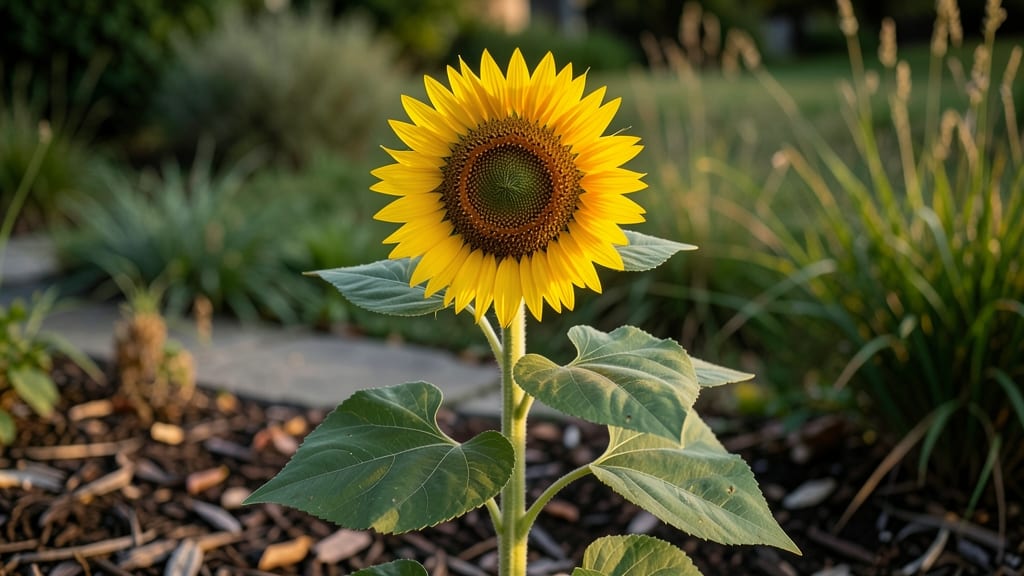
Sunflowers bloom in Texas between mid-June and October, with timing that shifts dramatically from the Panhandle to the Gulf Coast.
Picture this: your 🌻 sunflowers standing tall in July in Lubbock, while down in Corpus Christi, they’re just getting started in August. That’s the magic of Texas heat zones—and why planting too early or late can leave you with flops instead of showstoppers.
Here’s the secret: soil temperature, rainfall patterns, and even your local microclimate play huge roles. In North Texas, where frosts linger until March, early spring planting gives you a head start.
But in South Texas, where summer heat arrives by May, you’ve got to time it just right to avoid wilting before blooms appear.
Below, I’ll break down the exact month-by-month bloom windows by region, plus the 3 key factors that let you predict—and control—when your sunflowers will shine brightest.
Texas sunflower blooming timeline by heat zones (north vs south)
Texas' diverse climate creates distinct sunflower bloom windows depending on your location. The Panhandle's cooler zones (like Lubbock) may see blooms as early as late June, while Houston's Gulf Coast can enjoy year-round blooming potential with strategic planting.
Understanding these heat zone differences helps you time your planting for maximum summer color displays.
Sunflowers thrive in Texas' hot summers but struggle with late spring frosts in northern regions. The USDA hardiness zones 7-9 across Texas create 3-month bloom timing shifts from north to south.
For example, Dallas gardeners typically enjoy August-October blooms, while El Paso's high desert may see July-September displays due to earlier warming.
Here's how to predict your sunflower bloom window based on Texas' 5 key heat zones, including frost risk factors that can delay or prevent blooming entirely in northern areas.
The Panhandle's cooler climate requires earlier planting to avoid late spring frosts that can kill young seedlings. I've seen Lubbock gardeners lose entire plantings when April frosts hit after they'd already sprouted. For northern Texas, wait until after May 1 to plant sunflowers to avoid this risk entirely.
Central Texas offers the most predictable blooming windows thanks to its moderate climate. Austin gardeners typically enjoy July-August blooms from April plantings, with Autumn Beauty varieties often lasting until October's first frost. This makes Central Texas ideal for cut flower production and long-lasting garden displays.
Southern Texas gardeners have the longest bloom seasons but face different challenges. The high humidity in areas like Houston and Corpus Christi increases powdery mildew risk, so I recommend spaced planting and morning watering to keep foliage dry.
The Gulf Coast's extended growing season allows for fall plantings that bloom through Christmas.
For year-round color, Gulf Coast gardeners can use succession planting every 6-8 weeks. I've had sunflowers blooming in January in Brownsville by planting late fall varieties like 'Teddy Bear'. This creates continuous bloom cycles that attract pollinators year-round.
Remember that soil temperature affects bloom timing more than air temperature. Sunflowers won't germinate until soil reaches 60°F (15°C). In northern Texas, this often means waiting until May even if air temperatures feel warm earlier. Use a soil
How to time sunflower planting for peak Texas blooms
Timing your sunflower planting in Texas is all about matching your local heat zone with the right soil temperatures. Since Texas spans from USDA Zone 6 in the Panhandle to Zone 10 along the Gulf Coast, your planting window can vary by 6-8 weeks.
For most gardeners, the ideal planting window falls between mid-March and early May, but southern regions can start as early as February.
Sunflowers thrive when soil temperatures reach at least 55°F, signaling it's safe to direct sow seeds. In North Texas, this typically happens by late March, while South Texas gardeners can plant as early as February.
If you're in a cooler microclimate, like the Hill Country, wait until April to avoid late frost damage.
- North Texas (Zones 7-8): Plant mid-March to April for blooms by June-July. Use row covers if frost threatens.
- Central Texas (Zones 8-9): Start late February to March for May-June blooms. Ideal for longer growing seasons.
- South Texas (Zones 9-10): Sow January-February for April-May flowers. Heat-tolerant varieties like 'Autumn Beauty' thrive here.
- Gulf Coast (Zone 10+): Plant December-January for March-April blooms. Succession plant every 2 weeks for continuous color.
- Soil Prep Tip: Amend soil with compost to retain moisture—critical in Texas heat. Aim for pH 6.0-7.0.
For direct sowing, which is the easiest method, scatter seeds ½ inch deep and 12 inches apart. In North Texas, where nights can still dip below 40°F, use black plastic mulch to warm the soil faster.
If you prefer transplanting, start seeds indoors 4-6 weeks before your last frost date, then harden off seedlings before moving them outdoors.
To extend bloom seasons in hotter regions like South Texas, try succession planting every 2-3 weeks from February to May. This ensures a continuous display from April through October. Choose heat-tolerant varieties like 'Moulin Rouge' or 'Russian Giant' for better performance in 100°F+ temperatures.
Watch for overheating stress in late summer—sunflowers may bolt prematurely or produce smaller blooms. Provide afternoon shade with lightweight shade cloth if temperatures exceed 95°F for extended periods. Consistent deep watering (1-2 inches per week) is key to preventing wilting and bud drop.
With the right timing, your Texas sunflowers can reward you with bright blooms from spring to fall. Experiment with different varieties and planting schedules to find what works best in your local microclimate. Happy gardening! 🌻