
Blooming
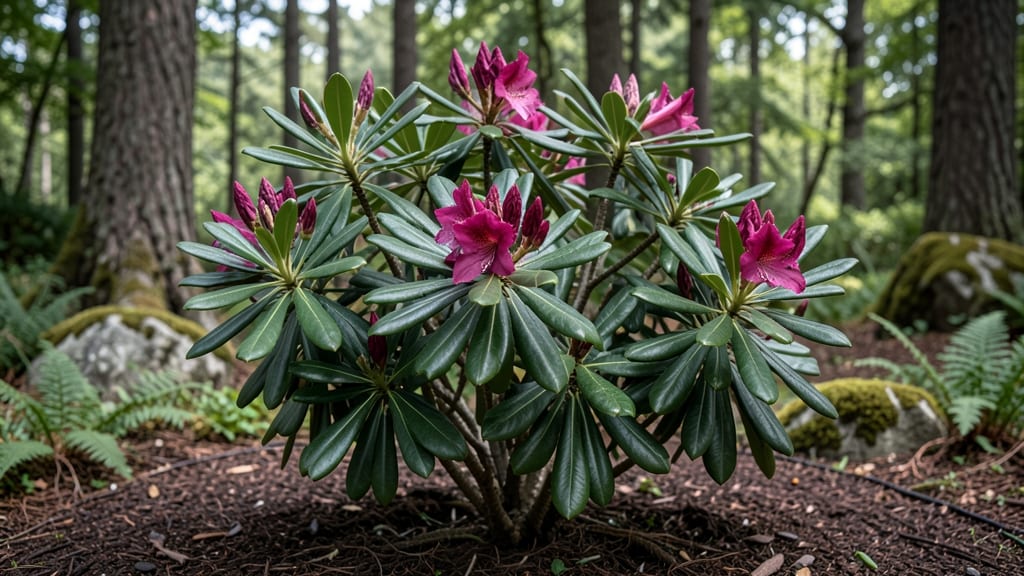
Rhododendrons in North Carolina bloom between late March and early May, with timing that depends on your hardiness zone, elevation, and even the specific variety you’ve planted.
If you’ve ever wondered why your neighbor’s rhododendrons burst into color weeks before yours, the answer lies in NC’s diverse climate zones and the subtle differences between early, mid-, and late-season bloomers.
In the cooler mountain regions (Zone 6b), buds often open as early as late March, while coastal areas (Zone 8a) may not see peak blooms until mid-April.
This guide breaks down the exact months for your zone, highlights the top early-blooming varieties that thrive in NC’s soil, and reveals why some rhododendrons skip the show entirely—plus how to fix it.
Discover the secrets to timing your landscape for maximum impact, from soil prep to seasonal care, so you never miss another 🌸 spectacle.
NC rhododendron blooming seasons: exact months by hardiness Zone
North Carolina’s diverse climate—from the cool mountain elevations of the Blue Ridge to the warmer Piedmont valleys—creates a stunning mosaic of rhododendron blooms. While most gardeners expect spring color, NC rhododendrons actually bloom in two distinct seasons, with timing dictated by USDA hardiness zones 5-8 and microclimates.
Understanding these patterns helps you choose varieties that align with your local bloom windows.
In Zone 5 (western NC mountains), early bloomers like 'PJM' often push buds as early as late March, while Zone 8 (coastal areas) may see late blooms stretching into May.
Elevation shifts bloom dates by 2-4 weeks—a mountain garden at 3,000 feet might bloom 3 weeks earlier than one at sea level. Let’s break down the exact months for each zone and variety type.
| Hardiness Zone | Early Bloomers | Mid-Season | Late Bloomers | Key Trigger |
|---|---|---|---|---|
| Zone 5 (Mountains) | Late March - Early April | Mid-April - Early May | Late May | Soil temps >45°F |
| Zone 6 (Piedmont) | Early April | Mid-April - Late April | Early May | Daytime highs >55°F |
| Zone 7 (Coastal Plain) | Mid-April | Late April - Early May | Mid-May | Nighttime lows >40°F |
| Zone 8 (Outer Banks) | Late April | Early May - Mid-May | Late May - Early June | Consistent 60°F+ days |
*Bloom dates shift 1-2 weeks earlier at higher elevations (e.g., Asheville vs. Charlotte)
Notice how temperature triggers—not just calendar dates—dictate blooming. For example, 'Nova Zembla' (a late bloomer) won’t open until daytime highs consistently reach 60°F for 5+ days.
In Zone 6 Piedmont, this often lands in late April, while Zone 8 coastal gardens may see the same variety bloom in early May due to milder winters.
Microclimates play an even bigger role than zones. A north-facing slope in Zone 7 might mimic Zone 6 blooming times (2-3 weeks earlier), while a south-facing valley could delay blooms by 10-14 days.
If your rhododendrons bloom 3+ weeks later than neighbors, check for exposed roots or compacted soil—both can delay bud set.
Fall-blooming varieties (like 'Alice') add a second show, typically from September to November. These thrive in Zones 6-8 and respond to cooler nights after summer heat. Plant them where they’ll receive morning sun to extend their season—afternoon shade prevents bud drop.
Pro tip: Track your local chill hours (below 45°F) using a home weather station. Most NC rhododendrons need 500-1,000 chill hours to set buds properly. If winters are too mild (like in Zone 8), consider late-summer pruning to encourage fall blooms instead.
For gardeners in transition zones (6b/7a), mix early and late varieties. Pair 'Catawba' (early April) with 'Elizabeth' (late May) to stretch your color from March through June. Just remember: prune after blooming to avoid cutting off next year’s flowers.
🌸
Top 5 early-blooming rhododendron varieties for NC gardens
If you want to beat the spring rush and enjoy vibrant blooms in North Carolina as early as late March, these cold-hardy rhododendrons are perfect. Their early timing lets you enjoy flowers before summer heat arrives, and many thrive in NC’s USDA Zones 6b-8a.
I’ve selected varieties that handle our variable spring temperatures while delivering stunning color.
These early bloomers often open their buds when daytime highs reach 50-55°F, making them ideal for mountain regions (like Asheville) and Piedmont areas (like Raleigh). Their compact sizes also work well in landscaping borders or as foundation plants.
Let’s dive into my top picks—each chosen for reliability, color, and adaptability to NC’s climate.
‘Catawba’ is my go-to for deep purple blooms that appear in late March to early April—often weeks before other varieties. This mountain favorite thrives in Zones 5-8 and handles NC’s late frosts with ease. Its dark green foliage contrasts beautifully with the flowers, and it grows to 6-8 feet tall, making it ideal for woodland gardens or as a specimen plant.
To extend its bloom time, I recommend pruning spent flowers in early May and applying a 2-inch layer of mulch in late fall.
This variety also appreciates morning sun and afternoon shade, which is perfect for Piedmont microclimates where afternoon heat can stress other rhododendrons. ‘Catawba’ is also deer-resistant, a bonus for rural NC gardens.
Next up is ‘PJM’, a compact powerhouse that blooms in mid-to-late April with lavender-pink flowers that last 4-6 weeks. This dwarf variety (3-5 feet tall) is perfect for foundation plantings or container gardens.
It’s also highly drought-tolerant once established, making it a low-maintenance choice for dry springs like those in Zone 7a.
For bright pops of color, ‘Nova Zembla’ delivers deep pink blooms in early April, often overlapping with ‘Catawba’ for a stunning display. This hardy hybrid (Zones 3-8) handles NC’s mountain elevations beautifully and grows to 5-6 feet tall.
I’ve seen it thrive in partial shade gardens near Asheville homes, where it pairs well with azaleas and hemlocks.
Finally, ‘Roseum Elegans’ offers soft pink, fragrant blooms in late March to early April, making it one of the earliest bloomers in NC. This upright shrub (6-8 feet tall) is a classic choice for formal gardens and does well in Zones 4-8