
Blooming
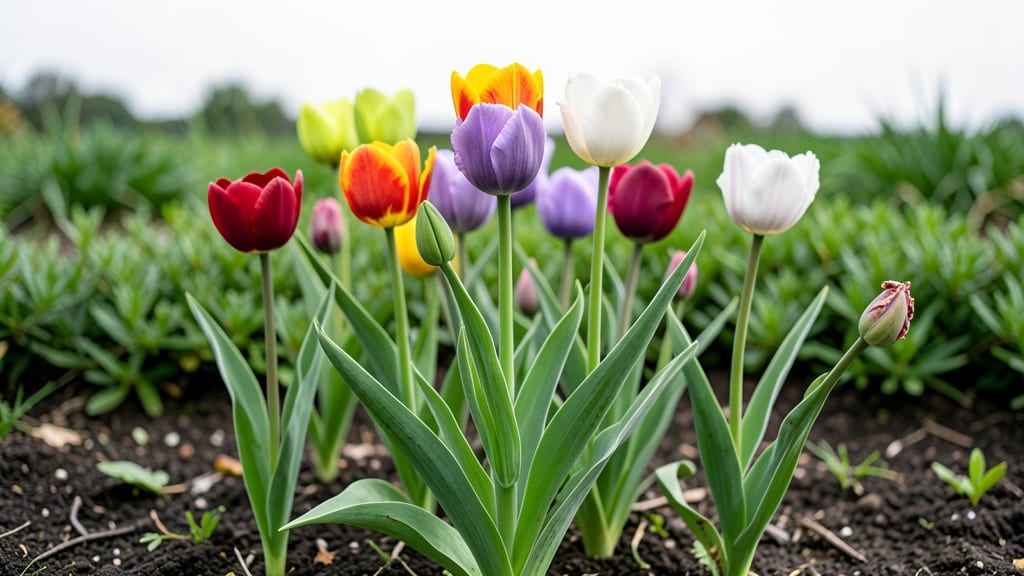
Tulips bloom in California between late January and May, but the exact timing depends on where you live—coastal gardens might see 🌷s as early as February, while inland valleys wait until April.
California’s microclimates create a stunning tulip-blooming spectacle—but timing varies dramatically from the coastal fog to the Central Valley’s sunbaked heat.
If you’ve ever planted bulbs in October only to miss the show because of a late frost or unexpected heatwave, you’re not alone. The right variety and planting strategy can shift bloom windows by weeks, ensuring you catch that burst of color.
Below, I break down the best months for each region, the top varieties that thrive in California’s climate, and how to extend your bloom season for a longer display.
California tulip bloom seasons by region: coastal vs. desert timelines
California’s microclimates create dramatic differences in tulip bloom times—from coastal chill to desert heat. In coastal regions, like San Francisco, tulips often bloom 2-3 weeks later than inland areas due to cooler temperatures and morning fog.
Meanwhile, the Central Valley and Desert regions can trigger blooms earlier in the season, sometimes as early as January for hardy varieties.
Understanding these regional differences is key to planning your garden. For example, ‘Queen of Night’ tulips may bloom in February in the Desert but not until March in coastal areas.
Rainfall patterns also play a role—winter rains in Northern California can delay blooms, while drought conditions in Southern California might push them forward.
Here’s how 5 key California regions compare for tulip blooming, including early bloomers (Jan–Feb) and late bloomers (Apr–May), along with the temperature and rainfall factors that influence timing.
In coastal regions, like San Francisco and Los Angeles, tulips often bloom later due to cooler temperatures and morning fog. The Bay Area, with its moderate climate, sees blooms slightly earlier than the coast but later than inland areas.
For example, ‘Ice Follies’ may appear in January–February in Oakland but wait until February–March in Santa Barbara.
The Central Valley, including Sacramento and Fresno, is one of the best places for early tulip blooms. Warmer days and cooler nights create ideal conditions for January–February blooms.
Varieties like ‘Early Harvest’ often push the envelope, sometimes blooming as early as late January if planted in well-draining soil.
For desert regions, such as Palm Springs and Joshua Tree, tulips can bloom earlier than anywhere else in California. The contrast between hot days and cold nights triggers blooms as early as January.
However, drought conditions can stress bulbs, so consistent watering is critical. ‘Red Riding Hood’ and ‘Keizerskroon’ are popular choices for desert gardens.
The Sierra Foothills, with their elevation-driven microclimates, often see blooms 1–2 weeks later than the Central Valley. For instance, ‘Purple Prince’ might bloom in March here but in February in Sacramento. The cooler nights at higher elevations slow bulb development slightly.
To maximize your tulip blooms, plant bulbs in fall (October–December) when soil temperatures drop below 60°F. In coastal areas
Best tulip varieties for California gardens and their bloom periods
California’s mild winters and varied climates make it a tulip lover’s paradise, but not all varieties thrive equally. The right tulip choice depends on your region—whether you’re in coastal fog zones or sunbaked inland valleys.
Early bloomers like ‘Queen of Night’ often emerge as early as January in the Bay Area, while late varieties like ‘Parrot’ tulips may wait until April in desert regions.
Let’s dive into the top 10 tulip varieties that shine in California gardens, ranked by bloom time and microclimate suitability.
For cooler coastal areas (USDA Zones 9-10), early bloomers like ‘Ice Follies’ and ‘Queen of Night’ often start popping up in late January to early February. These varieties handle the cooler, damp winters better than heat-sensitive types.
In contrast, inland valleys (Zones 8-9) see later blooms, with Darwin Hybrid tulips often peaking in March to early April. Desert regions (Zone 10) may experience earlier blooms in February due to milder winters, but heat can shorten their display.
| Variety | Bloom Time (CA) | Height | Best For |
|---|---|---|---|
| ‘Queen of Night’ | Late Jan–Feb | 18–24" | Coastal, Containers |
| ‘Ice Follies’ | Feb–Early Mar | 12–18" | Partial Shade, Early Color |
| ‘Darwin Hybrid’ (e.g., ‘Apeldoorn’) | Mar–Early Apr | 20–26" | Full Sun, Cut Flowers |
| ‘Parrot’ (e.g., ‘Black Parrot’) | Apr–May | 24–30" | Late Season, Bold Colors |
| ‘Fosteriana’ (e.g., ‘Red Emperor’) | Feb–Mar | 18–24" | Early Blooms, Cold Tolerance |
| ‘Greigii’ (e.g., ‘Red Riding Hood’) | Mar–Apr | 12–18" | Rock Gardens, Drought-Tolerant |
| ‘Frans Hals’ | Apr–May | 16–20" | Late Season, Floriferous |
| ‘Double Late’ (e.g., ‘Burgundy Lace’) | Apr–May | 20–24" | Cutting Gardens, Dramatic Blooms |
| ‘Kaufmanniana’ (e.g., ‘Lilac Wonder’) | Feb–Mar | 8–12" | Early, Small Gardens |
| ‘Viridiflora’ (e.g., ‘Greenland’) | Mar–Apr | 12–18" | Unique Foliage, Containers |
If you’re planting in coastal California, prioritize early bloomers like ‘Queen of Night’ or ‘Ice Follies’, which handle the cooler, wetter winters better. These varieties often bloom 4–6 weeks earlier than their inland counterparts.
For inland gardens, focus on Darwin Hybrids or Parrot tulips, which thrive in warmer microclimates and offer longer vase life for cut flowers. Desert gardeners should plant bulbs earlier (October–November) to beat the heat and encourage February blooms.
For reblooming tulips, varieties like ‘Double Late’ or ‘Frans Hals’ can produce second flushes of blooms if given proper care. These types need well-draining soil and consistent moisture during their active growth phase. In hotter inland areas, mulch heavily with compost or