
Blooming
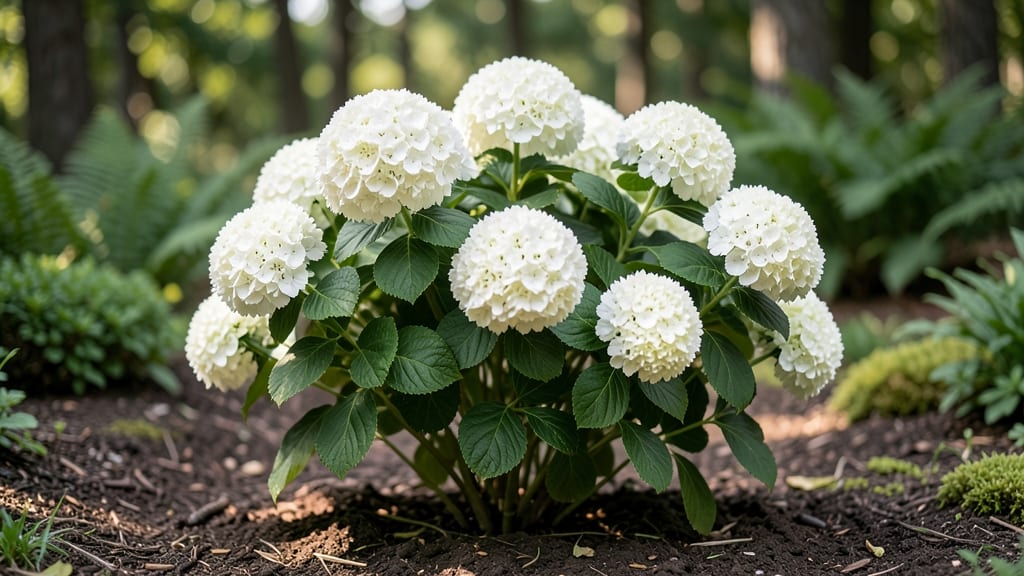
The White Wedding Hydrangea bloom time transforms your garden into a dreamy white cloud from late spring through summer — but only if you play by its rules.
Picture this: You’ve waited all year for those creamy blooms to appear, only to find your hydrangea sitting there with just a few sad buds. The truth? Most gardeners miss the 3 key pruning windows that determine whether your plant puts on a show or fizzles out.
In USDA Zone 6a, where these shrubs thrive, the magic starts in early spring when buds form. But a late frost or the wrong pruning cut can delay blooms by weeks — or worse, rob you of them entirely.
Below, I’ll show you exactly when to prune for a longer, lusher display, how to spot the signs of a blooming disaster, and the simple tweaks that keep your White Wedding Hydrangea 🌸 looking like a bridal bouquet all season.
When does White Wedding Hydrangea bloom: seasonal timeline & climate factors
The White Wedding Hydrangea (Hydrangea arborescens 'Annabelle') transforms gardens into dreamy white canopies, but its bloom timing depends heavily on your USDA climate zone and last frost dates. In my Zone 6a garden, blooms typically appear in late June, lasting until mid-August.
However, gardeners in warmer zones (USDA 8-9) often see earlier blooms—sometimes as early as May—while cooler Zone 5 regions may delay blooms until July.
Understanding these variations helps you plan for peak bloom periods. For example, in Zone 7, the Grandiflora variety blooms slightly later than Annabelle, with flowers opening in early July instead of June.
This shift occurs because Grandiflora needs more chill hours to trigger blooming, while Annabelle blooms on new wood and adapts faster to warmer springs.
| USDA Zone | Typical Bloom Window | Peak Bloom Month | Bloom Duration |
|---|---|---|---|
| Zone 5 | Late June - Early August | July | 6-7 weeks |
| Zone 6a | Late June - Mid-August | July | 7-8 weeks |
| Zone 7 | Early June - Late August | June-July | 8-9 weeks |
| Zone 8-9 | May - September | May-June | 10-12 weeks |
To predict your White Wedding Hydrangea's bloom time, calculate your last frost date and add 8-10 weeks. For example, if your last frost is April 15, expect blooms around mid-June.
However, early springs with warmer-than-average temperatures can push blooms forward by 2-3 weeks, while late frosts may delay them until July.
Variety also plays a key role. The Annabelle variety blooms earlier and more abundantly than Grandiflora, which produces larger but slightly later flowers.
If you're in Zone 6a like me, Annabelle will reward you with cloud-like blooms by late June, while Grandiflora might take until early July to reach its peak. This difference stems from Grandiflora's need for more chill hours to set buds.
Climate factors like humidity and rainfall also influence bloom timing. In humid Southern gardens (Zone 8-9), hydrangeas often bloom earlier due to consistent moisture, while drier Western zones (Zone 7) may see delayed blooms unless you water deeply during spring bud formation.
I’ve found that mulching around the base in early spring helps retain moisture and encourages earlier bud development.
For container-grown White Wedding Hydrangeas, bloom timing shifts slightly because pots heat up faster and dry out quicker. In my Zone 6a container garden, potted hydrangeas bloom 1-2 weeks later than in-ground plants.
To counteract this, I water containers daily in spring and move them to shadier spots by midday to prevent heat stress, which can delay blooming.
One common misconception is that White Wedding Hydrangeas bloom only once per year. In reality, they can produce secondary blooms if you prune spent flowers in early fall. However, these late-season blooms are often smaller and less vibrant.
To maximize primary bloom size, focus on spring pruning right after last frost, removing dead wood and shaping the shrub to encourage new growth.
If your hydrangea blooms late or sparsely, check for soil pH—white blooms thrive in pH 6.0-6.2. A soil test can reveal if your garden is too alkaline (causing pink blooms) or acidic
Pruning secrets to extend White Wedding Hydrangea bloom time: step-by-step guide
The White Wedding Hydrangea (Hydrangea arborescens 'Annabelle') thrives on precise pruning to produce those dreamy, cloud-like blooms all summer. Unlike some hydrangeas, it blooms on new wood, meaning last year’s growth won’t produce flowers—so timing is everything.
If you prune at the wrong time, you’ll sacrifice weeks (or even months!) of stunning white blooms. The key is understanding its growth cycle and avoiding the 3 deadly pruning mistakes that gardeners make every year.
Your pruning calendar should revolve around late winter to early spring, just as new buds begin forming. This is when you’ll remove dead or weak stems while leaving the healthy framework intact.
For maximum bloom time, aim to prune 2-3 weeks before your last frost date—this gives the plant enough time to push out fresh growth before summer heat arrives. In warmer climates (USDA zones 8-9), you can prune slightly later, around February or early March.
⚠️ callout-warning ⚠️
- 1. Pruning in fall or winter – Removes next year’s flower buds before they form.
- 2. Cutting back too aggressively – Over-pruning reduces the plant’s ability to support blooms.
- 3. Ignoring dead wood – Letting dead stems linger steals energy from new growth.
The White Wedding Hydrangea blooms on new wood, so late pruning = no flowers next season! Always prune in late winter/early spring.
To identify old vs. new wood, look for brown, woody stems (old growth) and green, flexible stems (new growth). In early spring, you’ll see swollen buds on last year’s stems—these are next year’s flowers!
Never prune these off. Instead, cut back to just above a pair of healthy buds on the remaining stem. This encourages the plant to focus energy on producing longer, stronger stems with bigger blooms.
Here’s your seasonal pruning checklist to extend bloom time by up to 6 weeks:
- Late winter (Feb-March): Prune back 1/3 of the plant to 5-7 inches from the ground. Remove dead, diseased, or crossing branches.
- Mid-spring (April-May): Lightly shape the plant by trimming new growth to encourage bushiness. Avoid heavy pruning now.
- Summer (June-August): Deadhead spent blooms to redirect energy to new flowers. Never prune more than 10% of the plant.
- Fall (October-November): Remove only dead or diseased stems. Avoid heavy pruning—this is the plant’s dormant phase.
Pro tip: Use sharp, clean pruners to make 45-degree cuts just above a leaf node. This prevents disease and encourages faster healing. After pruning, apply a 2-inch layer of mulch around the base to retain moisture and protect roots. With this schedule, your White Wedding Hydrangea will reward you with dense, long-lasting blooms from June through August—or even longer in ideal conditions!
Remember, the goal is to balance shape and bloom production. Over-pruning leads to fewer flowers, while under-pruning can result in leggy, sparse growth. Stick to this guide, and you’ll enjoy weeks of effortless, show-stopping beauty—without the guesswork. Happy pruning! ✂️🌸