
Blooming
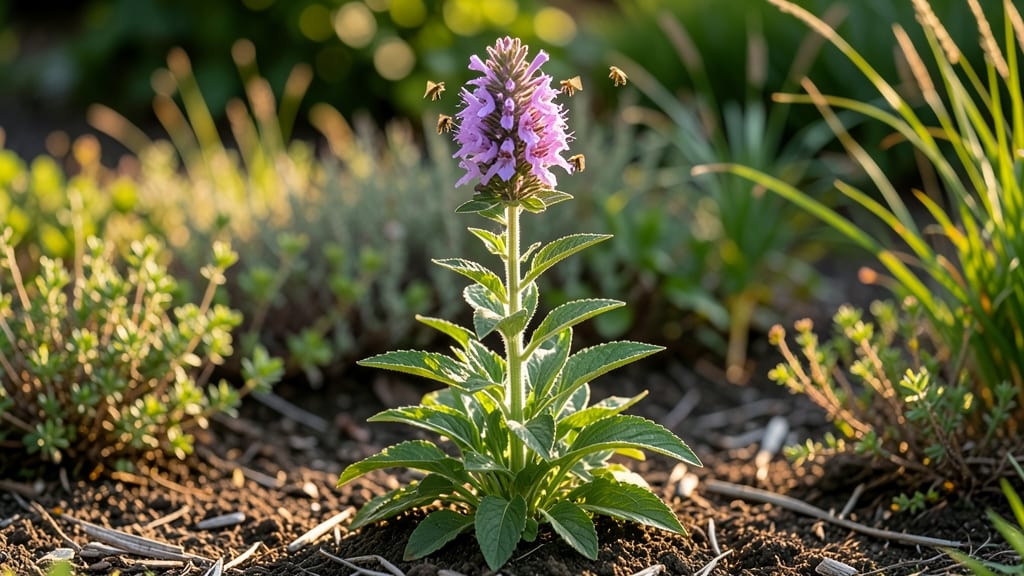
The wild bergamot bloom time starts in midsummer when temperatures climb to 75°F+, sending up those iconic purple spikes that hum with pollinators. 🌿 I’ve watched my patch transform from lush green foliage to a buzzing, blooming magnet—it’s like nature’s own fireworks display, triggered purely by heat.
The first flush appears around July 4th in most regions, but timing shifts with your zone: earlier in the South, later in the North.
This hardy perennial doesn’t just bloom once—it rebounds with fresh flowers every 3-4 weeks until frost, provided you deadhead spent blooms and keep the soil moist but not soggy.
The secret to extending that purple spectacle lies in full sun exposure (6+ hours daily) and well-draining soil; wild bergamot thrives in poor conditions but rewards you with months of color when given these basics.
Pair it with bee balm, coneflowers, or lavender to create a pollinator paradise that stays vibrant all season. The fragrance alone—citrusy and minty—makes it worth growing, but the reblooming habit is what keeps gardeners coming back year after year.
For Zone 5-9 gardeners, this means you can enjoy wild bergamot’s signature blooms from July through September with minimal effort. Just remember: the hotter the summer, the more prolific the flowers. Nature’s timing is perfect once you understand the heat trigger!
📚 In This Guide
- What you need
- Instructions
- Tips and common mistakes
- Wrapping up and next steps
What you need
- ● Wild bergamot seeds or nursery-grown plants: Seeds: 1–2 oz (enough for 20–30 plants, depending on spacing). Plants: 3–5 mature specimens (6–12" tall, hardy zones 3–9).
- ● Well-draining soil: Mix 50% native soil + 50% compost or sand (pH 6.0–7.5).
- ● Sunlight access: Full sun (6+ hours/day) for peak blooms.
- ● Watering can or hose: With a gentle spray nozzle (avoid soggy roots!).
- ○ Mulch (optional but recommended): 2–3 inches of straw, pine needles, or shredded leaves to retain moisture.
- ● Garden trowel or hand shovel: For planting seeds/plants 12–18" apart.
- ● Pruners (sterilized): Sharp bypass pruners for deadheading or shaping.
- ● Heat-tolerant location: Wild bergamot thrives in hot, dry conditions—ideal for drought-prone areas!
- ○ Pollinator-friendly companions (optional): Native grasses, coneflowers, or bee balm to extend the bloom season.
How to time wild bergamot's heat-triggered purple blooms
Here's how to predict and extend those dramatic vertical flower spikes all season.
🌱 Step 1: Understand the Heat-Triggered Bloom Cycle
Wild bergamot (Monarda fistulosa) blooms when soil and air temperatures consistently reach 70-75°F for at least 7-10 days. This heat-sensitive response explains why northern gardens often see delayed blooms—wait until your thermometer shows three consecutive days above 70°F before expecting spikes.
Watch for the first flush of lavender-purple flower heads emerging from the center of the plant's square stems. These initial blooms appear 30-45 days after soil warming, but don't be fooled by early buds—they'll abort if nighttime temps drop below 55°F. I've seen this happen twice in my own garden when late spring frosts snuck in.
☀️ Step 2: Create Ideal Conditions for Continuous Reblooming
Wild bergamot naturally produces two to three bloom cycles per season when given proper conditions. After the first flush fades, deadhead spent blooms by pinching off the entire flower head at its base—this redirects energy to side shoots rather than seed production. I use clean fingernails for this task; it's faster than scissors and prevents accidental stem damage.
For extended blooming, maintain full sun exposure (6+ hours daily) and well-draining soil with a pH between 6.0-7.0. Amend heavy clay with 2-3 inches of compost before planting, as soggy roots trigger early dormancy. You'll notice new flower buds forming along the stems within 2-3 weeks of deadheading if conditions are right.
💧 Step 3: Water Strategically to Prolong Bloom Periods
Deep watering once weekly (or when top 2 inches of soil feel dry) encourages stronger stems that support the 2-4 foot tall flower spikes. Shallow watering leads to weak stems that flop over—something I learned the hard way after a windstorm flattened my first planting. Water at the base in the morning to allow foliage to dry before evening, preventing powdery mildew.
During drought periods, reduce frequency but increase depth—bergamot's deep taproot makes it surprisingly drought-tolerant once established. You'll see the plant's silvery-green leaves begin to wilt slightly before the roots signal true stress. At this point, a deep soak (about 1 gallon per plant) revives it within 24 hours without encouraging weak growth.
✂️ Step 4: Prune for Next Season's Blooms
After the final bloom cycle (typically by mid-to-late summer), cut back stems to 4-6 inches tall to remove spent growth. This rejuvenation pruning prevents woody stems from developing and ensures next year's blooms emerge from fresh growth. I time this cutback 4-6 weeks before first frost to allow regrowth before winter.
Leave the lowest set of leaves intact—they protect the crown from cold damage. You'll notice new basal shoots emerging from the crown within 2-3 weeks of pruning, signaling successful rejuvenation. These new shoots will produce next year's flower spikes, so don't rush the timing—rushing leads to weak stems that won't support the vertical blooms.
🌿 Step 5: Monitor for Pest and Disease Pressure
Watch for Japanese beetles and aphids feeding on flower buds—they'll skeletonize petals and stunt bloom development. I've found that neem oil spray applied at dusk (when pollinators are inactive) controls infestations without harming beneficial insects. Spray when you see 10+ beetles per plant, as early intervention prevents complete defoliation.
Powdery mildew appears as white dust on leaves during humid summers. Improve airflow by spreading plants 18-24 inches apart and avoid overhead watering. If mildew appears, remove affected leaves immediately and treat with baking soda spray (1 tsp baking soda + 1 quart water + a drop of dish soap). You'll see new growth emerge clean within 10-14 days if caught early.
Tips & tricks for perfect wild bergamot bloom timing
Here's what nobody tells you about getting those dramatic purple spikes to appear—and stay—all season.
Temperature Matters: Those 70-75°F soil and air temps aren't just numbers—they're the magic threshold for triggering blooms. I've seen gardeners in Zone 5 wait until June for blooms because they didn't realize they needed three consecutive days above 70°F. Use a soil thermometer at the root level (2-3 inches deep) for accuracy, not just air temperature. The first flush won't appear until 30-45 days after you hit that consistent warmth, so patience is key.
Deadheading Technique: When you pinch off those spent flower heads in Step 2, aim for the base where the stem meets the flower—this is where new side shoots will emerge. I've tried using scissors, but they often nick the main stem, which weakens the plant. Your fingernails give you more control. The 2-3 week window for new buds to form is your reward for this precise technique.
Soil Prep Secret: That pH 6.0-7.0 range isn't just ideal—it's non-negotiable for continuous blooming. Test your soil before planting and amend with elemental sulfur if it's too alkaline. I've seen bergamot in heavy clay soil refuse to bloom until I added 2-3 inches of compost and created raised beds. The goal is well-draining soil that mimics its native prairie habitat.
Pest Prevention: Japanese beetles and aphids are the silent bloom-killers. The 10+ beetles per plant threshold is your warning sign—don't wait until you see damage. Neem oil works best when applied at dusk, but I've found that planting marigolds nearby (optional) acts as a natural deterrent. The 1 tsp baking soda spray for powdery mildew is a game-changer too—it's organic, effective, and won't harm pollinators.
Pro Tips for Wild Bergamot Bloom Time
- Here's what nobody tells you about getting those dramatic purple spikes to appear—and stay—all season.
- Temperature Matters: Those 70-75°F soil and air temps aren't just numbers—they're the magic threshold for triggering blooms.
- Deadheading Technique: When you pinch off those spent flower heads in Step 2, aim for the base where the stem meets the flower—this is where new side shoots will emerge.
Frequently asked questions
about wild bergamot bloom time—because every gardener deserves clarity! Here are answers to the most common questions, from timing to troubleshooting.When is the best time to plant wild bergamot for peak blooms?
Plant wild bergamot in early spring (after the last frost) or early fall for established roots before winter. This gives it time to adapt before its heat-triggered bloom cycle kicks in. Avoid planting in peak summer—it struggles with transplant shock in extreme heat.
Why does my wild bergamot bloom in waves instead of all at once?
Wild bergamot (Monarda fistulosa) is a prolonged bloomer—its purple spikes respond to heat and sunlight, not just seasonal cues. Deadhead spent blooms to encourage reblooming, but expect staggered waves, especially in hot climates. Drought stress can also trigger sporadic blooms.
Can I force wild bergamot to bloom earlier or later?
No, but you can optimize conditions! Wild bergamot blooms in response to consistent warmth (70°F+). For earlier blooms, plant in a south-facing, sunny spot and mulch to retain heat. For later blooms, provide afternoon shade in hot climates. Avoid fertilizing heavily—it prioritizes foliage over flowers.
Are there alternatives if my wild bergamot isn’t blooming?
Try these low-maintenance, heat-loving bloomers:
- Bee balm (Monarda didyma) – More vibrant but needs occasional pruning.
- Lavender (Lavandula) – Drought-tolerant and pollinator-friendly.
- Russian sage (Perovskia) – Thrives in poor soil and blooms late summer.
- Coneflower (Echinacea) – Reblooms with minimal care.
What should I do if my wild bergamot blooms but then dies back?
This could signal overwatering, fungal issues, or pest damage. Let soil dry between waterings, and prune back dead stems in early spring. If powdery mildew appears (white dust on leaves), treat with neem oil. Japanese beetles love bergamot—handpick them or use row covers during peak feeding.
Pro Tip:
Wild bergamot’s reblooming magic happens when you prune spent stems by ⅓ after the first flush. This trick fools the plant into thinking it’s a new season—more blooms, less guesswork!
Wrapping up and next steps
Wild bergamot’s heat-triggered blooms are a gardener’s delight—packed with pollinator power and seasonal resilience! 🌸 Whether you’re luring bees, extending your garden’s color palette, or simply savoring nature’s timing, these purple spikes prove that patience (and a little warmth) pay off big.
Now that you’re armed with when and how to nurture them, why not plant a patch this season? Grab some seeds, mark your calendar for late summer, and watch your garden transform into a buzzing, blooming paradise!