
Blooming
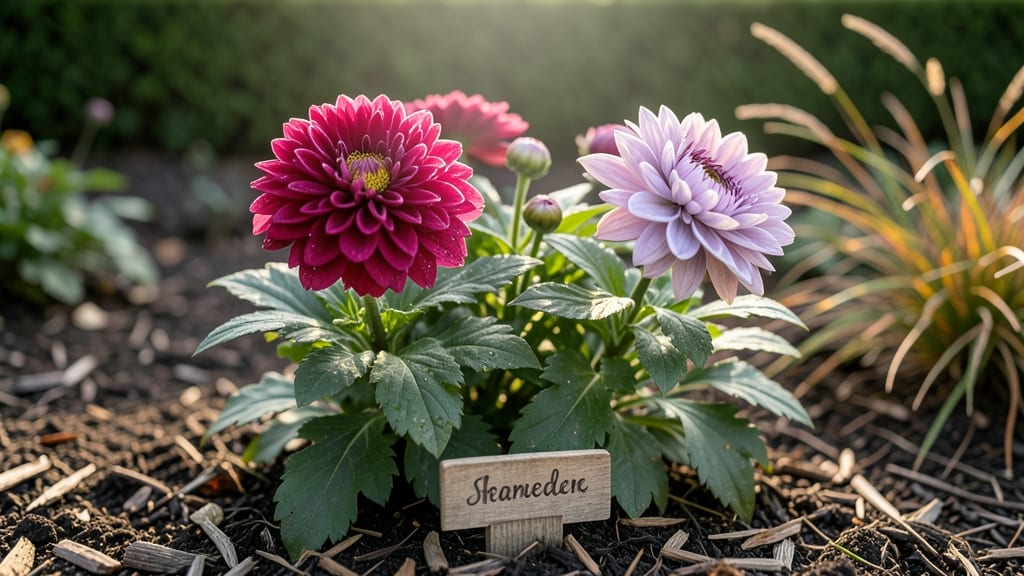
Mums will bloom twice when you deadhead them properly after their first flush in early fall, redirecting plant energy to new buds for a late-season color extension.
This reblooming magic happens because mums store energy in their roots during summer growth.
When you remove faded blooms—cutting just above the next leaf node—you signal the plant to shift resources toward dormant side buds. 🌸 The key is timing: wait until the first flush fades completely (usually late August to early September in most climates) before pruning, as premature deadheading can stunt new growth.
Reblooming varieties like 'Autumn Joy' or 'Purple Bush' respond best to this technique, while some heirloom types may only bloom once naturally.
After deadheading, feed your mums with a balanced fertilizer (10-10-10) to support new flower formation. Water consistently but avoid soggy soil, as moisture stress can prevent reblooming. In cooler zones, consider a light mulch to protect roots during fall's temperature swings.
With proper care, you'll often see second blooms appearing in October or November, giving you that coveted late-season color burst.
💡 In This Article
- How Deadheading Mums Triggers a Second Bloom Cycle
- Step-by-Step Deadheading Guide for Longer Mum Blooms
How deadheading mums triggers a second bloom cycle
Deadheading mums works like a plant reset button. When a bloom fades, the flower head consumes energy to produce seeds—energy your mum could be using to grow new flowers instead.
By snipping off spent blooms, you eliminate this energy drain and redirect nutrients stored in the roots back into the plant's system. This process activates dormant lateral buds along the stems, which then develop into fresh blooms.
Think of it like redirecting a river: removing the blockage (the spent bloom) allows water (nutrients) to flow where it's most needed.
The timing of deadheading is critical because it coincides with your mum's natural growth cycle. Most reblooming varieties enter their first flush in late summer (around mid-August to early September in most US zones).
After the blooms fade completely—when the petals turn brown and the center dries out—wait 5-7 days before pruning. This delay ensures the plant has fully transitioned from flowering to recovery mode. Cutting too early can shock the plant, while waiting too long lets the plant waste energy on seed production.
The ideal moment is when 80-90% of the first blooms have faded naturally.
Photosynthesis plays a starring role here. Healthy foliage continues producing energy even after the first blooms fade. When you deadhead, you're essentially telling the plant, "Use that energy for more flowers, not seeds." The leaves act like solar panels, converting sunlight into glucose that fuels new bud formation.
For best results, ensure your mums have 6-8 hours of sunlight daily and healthy green leaves—yellowing foliage signals nutrient deficiencies that can prevent reblooming.
In my garden, I've seen second blooms appear in as few as 3-4 weeks after proper deadheading, especially with varieties like 'Autumn Joy' or 'Purple Bush' that are bred for this trait.
There's a biological reason why some mums bloom twice while others don't. Reblooming varieties have been selectively bred to have more lateral buds along their stems, while single-bloom types have fewer dormant buds. The deadheading technique works best on hybrids because their genetics make them more responsive to pruning stimuli.
Even with rebloomers, though, the second flush is often 30-50% smaller than the first because the plant has already expended significant energy on initial growth. This is why professional gardeners recommend stopping deadheading by mid-October—the plant needs time to harden off before winter.
Temperature also influences reblooming success. Mums need consistent daytime temperatures above 60°F to continue flowering. If fall brings sudden cold snaps (below 50°F at night), new buds may fail to open properly.
This is why gardeners in cooler climates often see second blooms lasting into November or even December—the gradual temperature drop preserves the flowers longer. In warmer zones, you might need to provide afternoon shade to prevent heat stress, which can cause buds to drop before opening.
One common mistake gardeners make is deadheading too aggressively. Always leave at least 1/4 inch of stem above a leaf node when pruning—this ensures the plant has a growth point to regenerate from.
Cutting too close to the base removes potential bud sites and can leave the plant vulnerable to disease. I've seen cases where overzealous pruning led to stunted growth or even plant death, so precision matters.
Use clean, sharp pruners to make clean cuts that won't tear the stems and introduce pathogens.