
Blooming
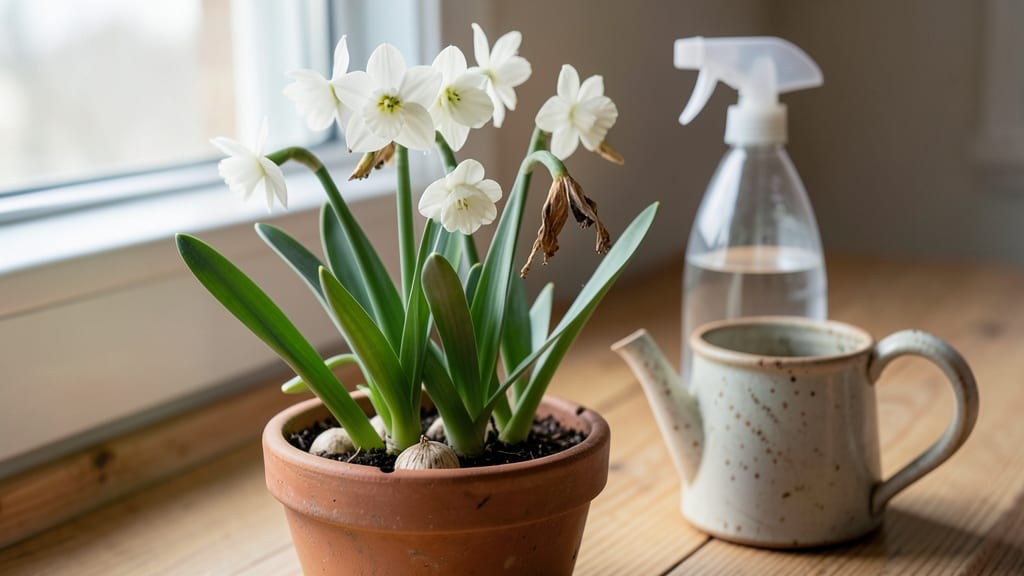
Paperwhites will bloom again just once in their natural lifecycle, but you can encourage occasional reblooming by creating ideal conditions—cool temperatures, bright indirect light, and consistent moisture after their first flowering. Patience and precise post-bloom care are key to coaxing a second round of flowers.
Will paperwhites bloom again? The answer lies in their unique biology—these bulbs deplete their energy reserves after their first bloom, making reblooming a delicate process. 🌱 Unlike perennial bulbs that store energy for multiple seasons, paperwhites rely on stored nutrients that get exhausted during flowering.
The good news is that with careful post-bloom care—like reducing water slightly and providing bright, indirect light—you can sometimes trigger a second round of blooms within 6-8 weeks. I've found that keeping them in a cool spot (around 60-65°F) after flowering helps preserve their energy for potential reblooming.
What many gardeners don't realize is that paperwhites actually need a period of dormancy to reset their growth cycle. After the first flowers fade, I recommend cutting the stems back by about half and letting the foliage yellow naturally before considering any reblooming attempts.
This mimics their natural lifecycle in the wild, where they'd go dormant after flowering. The key is balance—too much care can stress the bulb, while too little might prevent any chance of reblooming.
💡 In This Article
- Why Paperwhites Rarely Rebloom: Biological Factors
- How to Encourage Paperwhite Reblooms: Step-by-Step Care
Why paperwhites rarely rebloom: biological factors
Paperwhites (Narcissus papyraceus) are unique because they're technically monocarpic—meaning they produce flowers just once before their energy reserves are exhausted.
Unlike perennial bulbs like daffodils or tulips, which store carbohydrates in their roots for multiple growing seasons, paperwhites rely on a single energy reservoir that gets depleted during flowering.
When they bloom, they allocate about 70-80% of their stored nutrients to flower production, leaving little for future growth. 🌱 This is why most paperwhites won't rebloom naturally.
The biological trigger for reblooming involves a complex interplay of hormones and environmental cues. After flowering, the bulb enters a natural dormancy phase where it focuses on replenishing its energy stores through photosynthesis in the leaves.
However, this process requires 6-8 weeks of consistent care—cool temperatures (60-65°F), bright indirect light (like an east-facing window), and moderate watering (keeping soil lightly moist but not soggy).
Unlike daffodils, which can store energy underground for years, paperwhites have a much shorter window to recover before their bulb structure weakens.
Seasonal changes also play a critical role. Paperwhites are native to Mediterranean climates where they experience distinct dry and wet seasons. In their natural habitat, they'd bloom in late winter, then go dormant during the hot, dry summer.
When grown indoors, this seasonal cue is missing, which is why many paperwhites fail to rebloom—they don't get the proper dormancy signal. The bulb needs this rest period to reset its growth cycle and rebuild energy reserves for potential future blooms.
Another key factor is the bulb's size and health. Smaller bulbs (2-3 inches in diameter) have less stored energy to begin with, making reblooming nearly impossible. Only larger, healthy bulbs (typically 3+ inches) have enough reserves to attempt a second bloom cycle.
Even then, the second bloom will be smaller and less vigorous because the bulb has already expended significant energy on the first flowering. This is why professional growers often treat paperwhites as annuals—they prioritize energy for strong first blooms rather than risking weaker reblooms.
Comparing paperwhites to other popular bulbs highlights their unique challenges. Daffodils, for example, can rebloom reliably because they store energy in multiple layers of their bulb structure, while paperwhites have a single growing point that gets heavily taxed during flowering.
The trade-off is that paperwhites produce stunning, fragrant blooms in just 6-8 weeks—**faster than most bulb species—but at the cost of limited reblooming potential. 💡
The science behind this involves the plant hormone ethylene, which plays a role in flower senescence (the aging process that leads to flower death). As the flowers fade, ethylene levels rise, signaling the bulb to shift its energy focus toward seed production (if any) rather than new growth.
This hormonal shift makes it biologically challenging to coax a second bloom without careful intervention. Understanding this process helps explain why even well-cared-for paperwhites rarely produce a second round of flowers.