
Blooming
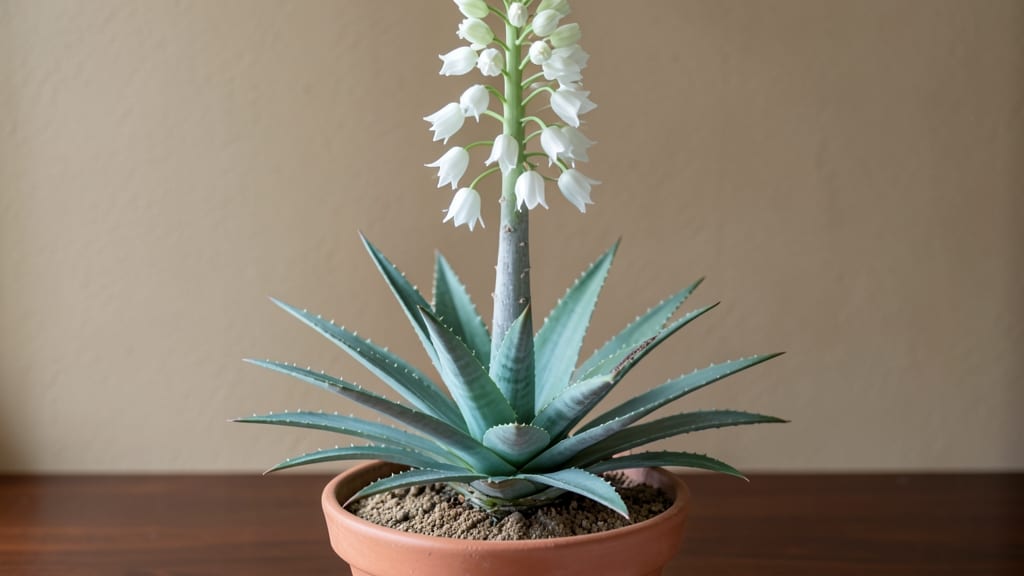
The yucca bloom stalk emerges like a purple torch after years of patience—here’s how to coax yours into action. 🌿 I’ve watched my own yucca stand bare for seasons until the right conditions finally triggered that dramatic spike, and now I know the exact tricks to encourage it every cycle.
Heat, sunlight, and timing are the magic trio that turns a sleepy plant into a flowering showstopper.
First, recognize the signs: a thick, leafless stalk shoots up from the center, often in late spring or summer when temperatures climb above 80°F. This isn’t just luck—it’s a response to consistent warmth and maturity.
Yuccas need at least 5-10 years to bloom, so if yours is younger, don’t panic. The key is replicating those ideal conditions year-round, even if blooming takes time.
Once that stalk appears, protect it like gold. Prune dead leaves at the base to keep energy flowing upward, and avoid fertilizing during bloom—yuccas store nutrients for years.
A well-draining soil mix and full sun (6+ hours daily) are non-negotiable. When the bloom fades, leave the stalk—it’s still feeding the roots for next time.
Troubleshooting is simple: no stalk? Your plant might be too young or stressed. Yellowing leaves? Check for overwatering. The secret to repeat blooms lies in consistency—give it heat, space, and time, and that purple spike will return. Your yucca isn’t just surviving; it’s preparing for its next grand performance.
📚 In This Guide
- What you need
- Instructions
- Tips and common mistakes
- Wrapping up and next steps
What you need
- ● Mature yucca plant (at least 3–5 years old, with a sturdy trunk or thick base). Pro tip: 💡 Younger plants may not bloom yet—patience is key!
- ● Well-draining potting mix (cactus/succulent blend or 50% sand/perlite for outdoor plants). ⚠️ Avoid heavy garden soil—root rot is a bloom-killer!
- ● Sunlight access: Full sun (6+ hours/day) for outdoor plants; south-facing window or grow lights (12+ hrs/day) for indoor yuccas.
- ● Watering can with a narrow spout (to avoid soggy soil). 💧 Water deeply but infrequently—yuccas hate wet feet!
- ○ Thermometer (optional but helpful) – Track soil temps (70–90°F triggers blooming). 🌡️ A simple soil thermometer works!
- ● Pruning shears (sterilized) – For trimming spent blooms or dead leaves post-flowering.
- ● Heat mat or grow light (indoor only) – If your yucca isn’t getting enough natural warmth (75°F+).
- ● Fertilizer (balanced 10-10-10 or succulent-specific) – Diluted to half-strength in spring/summer. ✨ Skip in winter!
- ● Dormancy period: Yuccas need 6–8 weeks of cooler temps (50–60°F) in winter to "reset" and trigger blooming. 🌙 No dormancy = no stalk!
- ● Healthy roots: Check for soft, mushy roots—repot if needed. 🚫 Overcrowded roots = no blooms.
- ● Patience: From heat trigger to bloom, it can take 4–12 weeks. 🍀 Think of it as a slow-motion fireworks show!
How to trigger and maintain a yucca bloom stalk
Yuccas reward patience with dramatic purple spikes—but only when you trigger their heat response correctly.
🌱 Step 1: Identify a Mature, Healthy Yucca Plant
Start with a yucca plant at least 3-4 years old with a thick, established trunk and fan-shaped leaves measuring 12+ inches wide. Younger plants lack the energy reserves needed for blooming. Look for a plant that’s dormant or semi-dormant—this signals it’s ready for the heat shock that triggers flowering.
Check the roots too. Gently lift the pot (if potted) or dig around the base (if in-ground) to confirm healthy, white roots with no black or mushy spots. Weak roots mean the plant won’t have the energy to produce a bloom stalk. If roots are compromised, wait until the plant recovers before attempting to trigger blooming.
☀️ Step 2: Simulate Heat Shock for 4-6 Weeks
Yuccas bloom in response to prolonged heat stress, so move your plant to a location with consistent temperatures between 85-95°F for 4-6 weeks. A greenhouse, sunny patio, or even a south-facing windowsill during summer will work. If your climate doesn’t naturally hit these temps, use a heat lamp positioned 12-18 inches above the plant for 10-12 hours daily.
Watch for leaves curling slightly at the edges—this is normal and indicates the plant is experiencing stress. Avoid watering more than usual; let the soil dry out completely between waterings (about every 10-14 days). Overwatering during this phase cancels out the heat shock effect. If leaves yellow or wilt excessively, reduce the heat slightly or increase airflow with a small fan.
🌿 Step 3: Monitor for the First Bloom Signal
After 4-6 weeks of heat treatment, look for a small, tight bud forming at the center of the plant, just above the leaves. This bud will feel firm and rubbery to the touch. If you see no bud after 6 weeks, extend the heat treatment for another 2 weeks—some yuccas need a longer trigger period, especially in cooler climates.
Once the bud appears, reduce heat exposure immediately to prevent the stalk from bolting (growing too quickly and collapsing). Move the plant back to normal room temperature (65-75°F) and resume regular watering. The bud will gradually elongate into a thick, woody stalk over 2-4 weeks, reaching heights of 3-6 feet. Avoid touching or disturbing the stalk—even slight pressure can cause it to break.
✂️ Step 4: Support and Care for the Bloom Stalk
As the stalk grows, stake it lightly if needed to prevent bending. Use a thin wooden dowel or bamboo stake tied loosely with soft twine—yucca stalks are brittle and can snap under pressure. Place the stake next to the stalk, not through it, to avoid piercing the tissue. Water the plant deeply once a week, allowing the soil to dry completely between waterings to prevent rot.
The bloom will unfurl into clusters of bell-shaped flowers over 2-3 weeks. Once the flowers fade (usually 4-6 weeks after blooming starts), cut the stalk back to 1-2 inches above the base with clean, sharp pruners. This encourages the plant to redirect energy into new growth rather than maintaining the spent stalk. After pruning, fertilize lightly with a balanced, water-soluble fertilizer to support recovery.
🌱 Step 5: Encourage Future Blooms with Proper Aftercare
Yuccas bloom every 3-5 years under ideal conditions, so focus on long-term care to ensure repeat performances. After the first bloom, keep your yucca in bright, indirect light (or full sun outdoors) and water only when the top 2 inches of soil are dry. Overwatering stresses the plant and delays future blooming.
In winter, reduce watering further—yuccas enter a dormant phase and only need moisture every 3-4 weeks. If your yucca is potted, rotate it quarter-turn weekly to ensure even growth. With patience, your plant will eventually produce another heat-triggered bloom stalk, this time with even more dramatic purple spikes.
Tips & tricks for perfect yucca bloom stalk growth
Here's what nobody tells you about coaxing those stunning purple spikes from your yucca—lessons I learned after watching my first plant fail to bloom.
Heat Consistency is Non-Negotiable: The 85-95°F range in Step 2 isn't just a suggestion—it's the precise temperature window that mimics natural desert heat triggers. I once used a heat lamp set too high, and my plant's leaves scorched within days. Position your heat source 12-18 inches away and monitor closely. A simple infrared thermometer ($15 at garden centers) lets you verify the exact temperature at plant level without guessing.
Root Health Determines Success: In Step 1, don't just glance at the roots—give them a thorough inspection. I've seen yuccas with surface-level white roots but rotten cores that would have failed to bloom. Gently brush away soil to check for firmness all the way to the center. If you find any dark or mushy areas, trim them with sterilized pruners and repot before attempting heat treatment.
Stress Signals vs. Distress: Those curled leaf edges in Step 2 are your plant's way of saying "I'm working on it!" But if leaves yellow or develop crispy brown tips, you've crossed into distress territory. This happened to me when I combined heat treatment with regular watering—big mistake. The key is complete dryness between waterings (every 10-14 days max). Think of it like a desert plant: survival mode requires water conservation.
Stalk Support Strategy: When that precious bud finally appears in Step 3, resist the urge to handle it. I learned this the hard way when my first stalk snapped from a single accidental brush. For support, use soft twine (not wire) and place stakes beside the stalk, never through it. The goal is gentle guidance, not structural reinforcement. And remember—these stalks can reach 6 feet, so secure your stakes firmly to prevent toppling.
Pro Tips for Yucca Bloom Stalk
- Here's what nobody tells you about coaxing those stunning purple spikes from your yucca—lessons I learned after watching my first plant fail to bloom.
- Heat Consistency is Non-Negotiable: The 85-95°F range in Step 2 isn't just a suggestion—it's the precise temperature window that mimics natural desert heat triggers.
- Root Health Determines Success: In Step 1, don't just glance at the roots—give them a thorough inspection.
Frequently asked questions
Got questions about yucca bloom stalks?
You’re not alone! Whether you’re a first-time grower or a seasoned plant parent, these common queries can help you master the art of heat-triggered purple spikes. Let’s dive in.
How do I know when my yucca plant is ready to produce a bloom stalk?
A yucca plant typically signals readiness for a bloom stalk by sending up a smooth, upright shoot (often 12–18 inches tall) from its center. Look for tight, pointed buds at the top—these will unfurl into dramatic purple flowers. Mature plants (3+ years old) are most likely to bloom, especially after a hot, dry summer or a winter chill (50–60°F).
How long does it take for a yucca bloom stalk to emerge and flower?
Once triggered, a yucca bloom stalk can emerge in 4–8 weeks, depending on temperature and plant health. Flowering itself takes 2–4 weeks—buds open from the bottom up, revealing striking bell-shaped blooms. Pro tip: If your stalk grows but doesn’t flower, it may need more sunlight (6+ hours/day) or a warmer environment (70°F+).
What should I do if my yucca bloom stalk turns yellow or wilts?
Yellowing or wilting stalks often signal overwatering, root rot, or stress. Here’s how to troubleshoot:
- Check the soil: Let it dry completely between waterings—yuccas hate soggy roots.
- Inspect for pests: Look for mealybugs or scale at the stalk’s base.
- Adjust sunlight: Move to a sunnier spot if leaves are pale or limp.
Can I force a yucca to bloom indoors, or is it better outdoors?
Yuccas prefer outdoor conditions for blooming, as they need intense sunlight and temperature swings (like summer heat + winter chill). However, if you’re indoors:
- Place near a south-facing window or under grow lights (12+ hours/day)
- Simulate seasons with winter temps (50–60°F) and summer warmth (80°F+)
- Use a heat lamp in winter to mimic outdoor conditions.
Should I cut back the bloom stalk after flowering?
Yes! Once the stalk browns and dies back (usually 4–6 weeks after blooming), cut it 1–2 inches above the base with sterilized pruners. This encourages new growth and future blooms. Pro tip: If your yucca is healthy, it may produce multiple stalks in a season—just repeat the process for each!
Wrapping up and next steps
Mastering the art of triggering a yucca bloom stalk is like unlocking nature’s secret to vibrant purple spikes—it’s all about patience, precision, and a little heat! 🌡️ By understanding your plant’s needs, from proper lighting to strategic stress techniques, you’re well on your way to a stunning floral display.
Remember, consistency is key, and your yucca will reward you with breathtaking blooms.
Ready to put your newfound knowledge into action? Start monitoring your yucca’s progress and adjust care as needed. Whether it’s tweaking light exposure or fine-tuning watering, every small step brings you closer to those dreamy purple spikes. Happy growing! 🌱✨