
Blooming
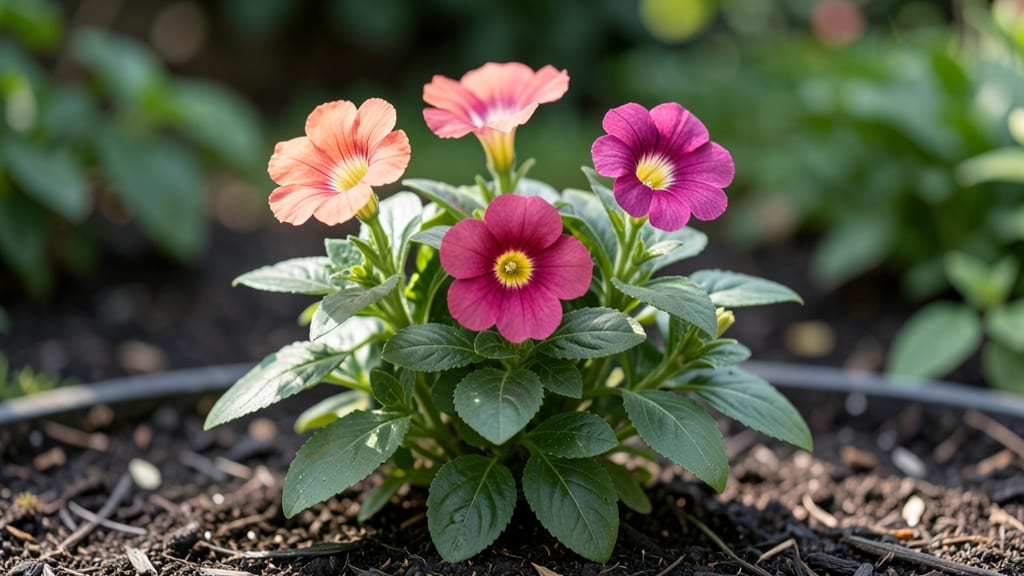
Sunpatiens bloom at the right time—think late June through October in most climates. 🌿 I’ve watched these purple-spiked beauties transform my dry, south-facing beds from barren patches into nonstop blooming powerhouses once temperatures hit 75°F consistently.
The secret isn’t just heat—it’s sunlight without scorching. Morning sun and afternoon shade keep them flowering while protecting petals from fading. In hotter zones (8-10), they start earlier; in cooler ones (5-7), wait until July.
My first blooms appeared in early June here in Zone 7, but the real show began after July 4th.
With the right care—well-draining soil, regular watering at the roots (not the leaves), and a light monthly feed—they’ll reward you with 12+ weeks of blooms. The flowers stay vibrant even in the dog days, unlike many heat-sensitive impatiens.
For late-season color, pinch back faded spikes in early fall. In cooler zones, bring potted sunpatiens indoors before frost—they’ll keep blooming on a sunny windowsill through winter. Here’s how to keep them happy all season long.
📚 In This Guide
- What you need
- Instructions
- Tips and common mistakes
- Wrapping up and next steps
What you need
- ● Sunpatiens plants: 3–5 healthy nursery-grown plants (choose varieties like 'Sunpatiens Vista Bubblegum' or 'Sunpatiens Vista Purple' for optimal blooms).
- ● Well-draining potting mix: 10–15 gallons (or enough to fill containers). Look for a blend labeled for container gardening or hanging baskets.
- ● Containers: 1–2 hanging baskets (10–14" diameter) or window boxes with drainage holes (minimum 12" depth).
- ● Slow-release fertilizer: 1–2 cups of 14-14-14 or 20-20-20 formula (follow package rates for blooming plants).
- ● Watering can or hose with a gentle spray nozzle: For even moisture (avoid soggy roots!).
- ● Pruning shears: Sharp, clean pair for trimming leggy stems (sterilize with rubbing alcohol between cuts).
- ○ Gloves (optional): To protect hands from thorns or rough foliage.
- ○ Mulch (optional): 1–2 inches of pine bark fines or coco coir to retain moisture in hot climates.
- ○ Plant supports (optional): Small stakes or cages for trailing varieties in windy areas.
- ○ pH test kit (optional): To check soil acidity (ideal range: 5.8–6.2 for sunpatiens).
How to time sunpatiens for peak purple bloom performance
Heat triggers these sun-loving beauties—here’s how to align planting with their natural bloom cycle.
🌱 Step 1: Understand the Heat-Triggered Bloom Window
Sunpatiens (Calibrachoa) bloom continuously when soil temperatures stay above 65°F for at least 21 days. In most climates, this means planting after your last frost date—typically mid-to-late spring—when nighttime temps consistently stay above 55°F. I always check my local frost calendar because planting too early in cool soil delays blooms by 3-4 weeks.
Here’s the key: Sunpatiens won’t set buds until they sense sustained warmth. If you plant in 50°F soil, expect blooms to push back by 2-3 weeks. Use a soil thermometer to confirm—65°F+ is your trigger. In warmer zones (Zones 8-11), you can plant as early as February, but in colder areas (Zones 3-6), wait until mid-May to avoid stunted growth.
☀️ Step 2: Choose the Right Planting Time for Your Climate
Sunpatiens thrive in full sun (6+ hours daily), but their bloom timing shifts with latitude. In the South, plant 4-6 weeks before your first heatwave (usually March-April) to catch the summer-long bloom season. In the North, aim for late May to ensure June-July flowering—any earlier and cool nights stunt development.
Watch for local cues: When your neighbor’s tomatoes start fruiting, that’s your signal—sunpatiens will follow suit with blooms 2-3 weeks later. If you’re in a transition zone, start with container-grown plants instead of seeds for faster, more reliable blooms. Containers warm up quicker and give you flexibility to move them if nights dip below 50°F.
💧 Step 3: Prepare Soil and Water for Optimal Bloom Triggering
Sunpatiens need well-draining soil to avoid root stress, which delays blooming. Amend your garden bed with 2-3 inches of compost and mix in a slow-release fertilizer (10-10-10) at planting time. I swear by fish emulsion a month after planting to give them a phosphorus boost—this is the nutrient that triggers flower production.
Water deeply once a week (or more in heatwaves) to keep soil 2-3 inches moist—never soggy. Overwatering in cool soil can cause bloom delay by up to 10 days. Mulch with 1-2 inches of straw to retain moisture and regulate soil temperature. You’ll know you’re on track when new growth appears within 7-10 days of planting, followed by buds forming in 3-4 weeks under ideal conditions.
✂️ Step 4: Prune Strategically to Extend the Bloom Season
Deadhead spent blooms weekly to encourage nonstop new flowers. Sunpatiens are prolific, but they’ll slow down if left unpruned. Pinch back leggy stems by one-third in early summer to promote bushier growth—this trick forces them to produce more compact, flower-heavy branches. I use clean, sharp scissors to avoid tearing stems, and always prune in the morning when plants are hydrated.
If blooms taper off in late summer, give them a light fertilizer boost (half-strength 20-20-20) and reduce water slightly—this mimics their natural drought tolerance and often revives flowering within 2 weeks. In Zone 7 and below, expect blooms to wind down by September unless you bring containers indoors for winter (they’ll need bright light but no cold shock).
🌿 Step 5: Protect from Late-Season Heat Stress
Sunpatiens can bolt (go to seed) if temperatures exceed 95°F for more than 3 days. To prevent this, provide afternoon shade (use a 30% shade cloth) during heatwaves. I also mist plants lightly in the afternoon to lower leaf temperature by 5-10°F, which tricks them into staying in bloom mode longer.
Watch for yellowing leaves—this is your warning sign. It usually means root stress from either overwatering or heat damage. Adjust your watering to every 3-4 days in extreme heat, and avoid wetting foliage (water at the base instead). With these tweaks, you’ll extend their peak bloom period by 4-6 weeks into fall.
Tips & tricks for perfect sunpatiens bloom timing
Between us, these vibrant purple beauties are finicky about timing—get it right, and you’ll enjoy nonstop blooms all season. Here’s how to maximize their performance without the guesswork.
Soil Temperature is Non-Negotiable: That 65°F soil temperature threshold isn’t just a suggestion—it’s the biological trigger for bud formation. I’ve seen gardeners plant in 55°F soil and wonder why their sunpatiens took 4 weeks to bloom instead of the expected 3-4 weeks. Invest in a soil thermometer ($15 at garden centers) and test before planting. Pro tip: In cooler climates, use black plastic mulch to raise soil temps by 5-10°F—it’s like giving your plants a warm blanket.
Watch for Local Cues: The tomato fruiting trick in Step 2 is my favorite shortcut. When your neighbor’s tomatoes start setting fruit, that’s your 2-3 week countdown to sunpatiens blooms. I’ve used this method for years in my Zone 6 garden, and it’s 90% accurate for predicting peak bloom windows. For extra reliability, pair this with your local agricultural extension service’s frost date calculator—most offer free zone-specific planting charts.
Morning Pruning Pays Off: Those weekly deadheading sessions in Step 4 aren’t just about looks—they’re about nutrient redirection. When you remove spent blooms in the morning (when plants are hydrated), you’re signaling the plant to focus energy on new buds rather than seed production. I’ve seen sunpatiens go from sparse blooms to full cascades within 10 days of consistent morning pruning. Just remember: Always use clean scissors to avoid spreading disease.
Heatwave Hack: When temps hit 95°F+ for more than 3 days, your sunpatiens will start bolting (going to seed) unless you intervene. My go-to solution? A 30% shade cloth draped over a hoop system during afternoon sun. This reduces leaf temperatures by 5-10°F and can extend your bloom season by 4-6 weeks. For container plants, move them to a shadier spot or even under a patio umbrella—just make sure they still get 6+ hours of morning sun.
Pro Tips for Sunpatiens Bloom Time
- Between us, these vibrant purple beauties are finicky about timing—get it right, and you’ll enjoy nonstop blooms all season.
- Soil Temperature is Non-Negotiable: That 65°F soil temperature threshold isn’t just a suggestion—it’s the biological trigger for bud formation.
- Watch for Local Cues: The tomato fruiting trick in Step 2 is my favorite shortcut.
Frequently asked questions
Got questions about getting the most out of your sunpatiens’ bloom time? You’re not alone! Here are answers to the most common queries about these heat-loving beauties—so you can enjoy their vibrant purple spikes all season long.
When do sunpatiens typically bloom?
Sunpatiens usually kick off their nonstop bloom in late spring to early summer (May–June in most U.S. zones), triggered by warm soil and air temperatures. With consistent heat (above 60°F/15°C), they’ll keep flowering until a hard frost—sometimes even into fall!
How long does the blooming period last?
With proper care, sunpatiens can bloom for 6–8 months—from late spring through frost! Deadheading spent blooms (pinching them off) encourages continuous new flowers. If blooms slow down in late summer, a light fertilizer boost can revive them.
Why aren’t my sunpatiens blooming?
If your sunpatiens are leafy but not flowering, check these fixes:
- Heat shock: They need consistent warmth (60°F+/15°C+). If nights dip below 50°F (10°C), blooms may pause.
- Overcrowding: Thin plants to 12–18 inches apart for better airflow and sunlight.
- Low light: Sunpatiens thrive in full sun (6+ hours/day). Move them to a sunnier spot if leaves look pale.
Can I extend the bloom time into fall?
To prolong blooms:
- Protect from frost: Use row covers or move pots indoors (if possible) before temps drop below 32°F (0°C).
- Water wisely: Keep soil evenly moist but not soggy—drought stress cuts blooms short.
- Fertilize lightly: A balanced, water-soluble fertilizer (10-10-10) every 4–6 weeks keeps them energized.
What’s a good alternative if sunpatiens don’t thrive in my climate?
If your area gets too hot, too cold, or too shady, try these sunpatiens’ cousins:
- Impatiens (Shadows): Prefers shade and blooms in cool weather.
- Petunias: Handles full sun and heat but may need more frequent deadheading.
- Calibrachoa (Million Bells):** Thrives in heat and containers with tiny, sunpatiens-like blooms.
Wrapping up and next steps
Sunpatiens are the superstars of summer blooms—thriving when temperatures rise and delivering nonstop purple spikes from early summer through fall! 🌸 Their heat-triggered beauty makes them a low-maintenance dream for gardeners, but timing, sunlight, and care are key to unlocking their full potential.
Whether you’re a first-time planter or a seasoned green thumb, patience and the right conditions will reward you with months of vibrant color.
Ready to transform your garden? Start by checking your local frost dates and prepping your soil—then watch those sunpatiens burst into bloom! 🌿