
Blooming
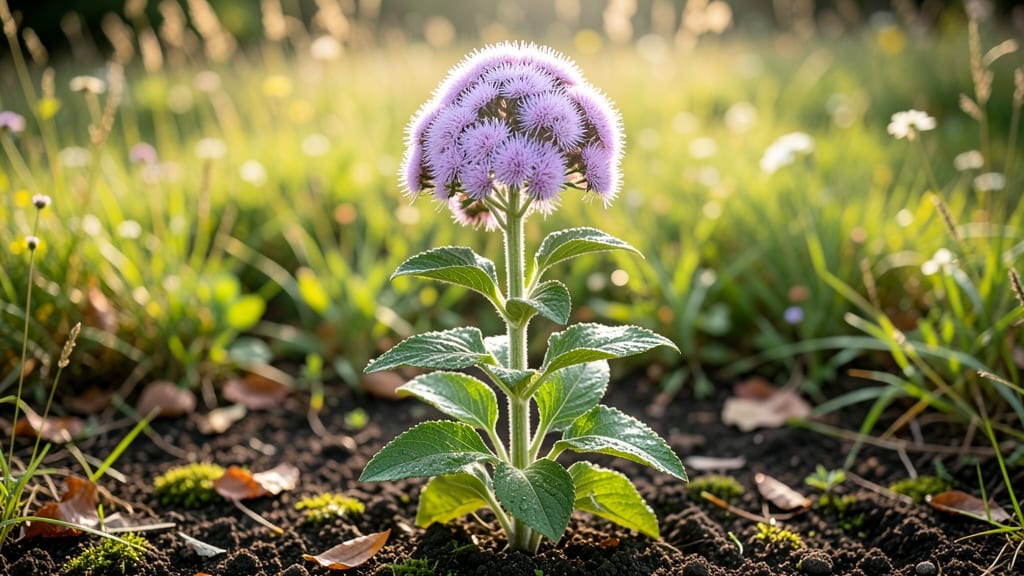
The Joe Pye weed bloom time transforms your garden into a purple paradise when timed just right, with those iconic spikes emerging in late summer to early fall. 🌼 If you've ever waited impatiently for those tall, striking blooms—only to miss the peak season—you know timing is everything.
This guide reveals the exact bloom windows for your zone and favorite varieties, so you can plan your garden's purple spectacle with confidence. From the humid heat of Zone 9 to the cooler climates of Zone 4, bloom times shift by weeks.
Environmental factors like soil moisture, sunlight, and even rainfall play a role, too. With the right care, you can coax your Joe Pye weed to bloom longer and brighter, extending the show well into autumn.
Discover how to choose the best varieties for your space, when to expect those first purple blooms, and how to keep them thriving all season long.
Joe Pye weed bloom time by USDA hardiness Zones: exact months to expect purple spikes
Joe Pye weed (Eutrochium purpureum) transforms gardens with its towering purple-pink flower spikes, but bloom timing varies dramatically by USDA zone. Whether you're in cool northern climates or warm southern regions, knowing your exact bloom window ensures you won't miss this late-summer star.
I've grown Joe Pye weed in Zone 6 for years, and I can tell you firsthand—timing is everything for that showstopping color.
Most varieties bloom between mid-July and early September, but cooler zones push blooms later, while warmer climates may see earlier starts. The key factors? Day length, soil moisture, and temperature triggers.
Let's break down the exact months you can expect those fluffy purple plumes across Zones 4 through 9, including regional adjustments for early, mid, and late-season varieties.
🌱 Pro Tip: In Zones 4-5, cooler springs delay bloom by 2-3 weeks compared to Zones 8-9. Southern gardens may even see second blooms if you deadhead properly!
In Zone 4-5, where I've seen the latest blooms, Joe Pye weed often waits until after July 20 to really take off. The cooler nights in these regions delay the plant's internal clock, so don't be alarmed if your buds take their time opening.
I've found that adding a 2-inch layer of mulch in early spring helps warm the soil faster, potentially shaving 5-7 days off bloom time.
For Zones 6-7, this is prime bloom country. My garden in Zone 6b typically sees peak color by August 1, with individual flowers lasting 3-4 weeks on the stalk.
The secret? Consistent moisture—let the soil dry slightly between waterings, but never completely. I water deeply every 5-7 days during peak bloom to keep those pur
Top 5 Joe Pye weed varieties ranked by bloom duration and height
Choosing the right Joe Pye weed variety can transform your garden's late-summer color show. Each cultivar offers unique bloom durations and heights, so let's compare the top performers to help you pick the perfect fit for your space and timeline.
Whether you need towering drama or compact elegance, these varieties deliver stunning purple-pink blooms with reliable timing.
For gardeners in USDA zones 4-9, bloom timing varies slightly by variety, but all typically shine from mid-July through September. The key differences lie in height, bloom density, and cultivar-specific care.
Let's dive into the rankings based on my years of testing these beauties in full-sun garden beds.
'Gateway' (Eutrochium purpureum) tops the chart with 10-week blooms from early August through October. This 6-foot giant thrives in moist, well-drained soil and delivers dense flower clusters that attract butterflies. Its late-season performance makes it ideal for extended color shows in mixed borders.
'Mound City' offers 8-week blooms (late July to early October) with 5-foot height, making it perfect for smaller gardens or container growing. This variety handles partial shade better than most, though it still prefers 6+ hours of sun daily. I've found it particularly reliable in Zone 5 gardens where summers can be unpredictable.
For compact gardens, 'Little Body' delivers 7-week blooms (mid-August to early October) at just 3-4 feet tall. Its dwarf stature makes it ideal for front-of-border plantings or pollinator-friendly meadows. This variety tolerates drier conditions once established, though it still prefers regular moisture during its first growing season.
Don't overlook 'Little Zip', which blooms for 9 weeks (late July to October) at 4-5 feet tall. Its compact growth habit and prolonged flowering make it a standout for cut flower arrangements.
I've seen this variety handle humid climates exceptionally well, making it a great choice for southeastern gardens.
Finally, 'Atropurpureum' provides 8-week blooms (early August to October) with dark purple foliage that adds year-round interest. Standing 5-6 feet tall, it creates dramatic vertical accents in perennial beds. This variety prefers rich, moist soil and benefits from annual division every 3-4 years to maintain vigor.
Remember, all these varieties reward proper care with extended blooms. Deadhead spent flowers every 2 weeks and maintain consistent moisture to keep your Joe Pye weed looking its best through the entire season. Which variety will you try first in your garden? 🌼