
Blooming
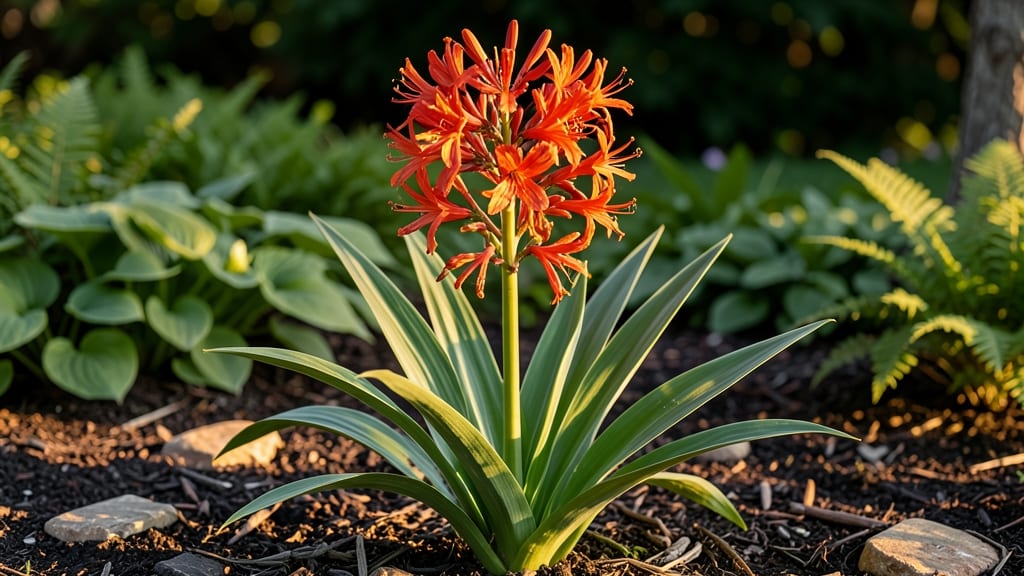
Your Crocosmia bloom time is a heat-triggered event that turns your garden into a late-summer fireworks display 🌸 — but only if you plant at the right moment.
Picture this: You’ve waited all spring for those sword-like leaves to emerge, only to realize your Crocosmia is playing by its own rules, blooming earlier or later than you expected. That’s because these plants don’t follow a calendar—they follow the thermometer.
In Zone 6a and warmer, most varieties burst into color from mid-July to September, but cooler zones or early springs can push that window back. The key? Planting in spring (after frost) or early fall gives them the head start they need to sync with your summer’s heat.
Below, I’ll break down how to predict—and even extend—your Crocosmia’s flowering season, from variety-specific timelines to simple tricks that keep the blooms coming until frost.
When Crocosmia blooms: heat-triggered months by variety
Crocosmia plants are famous for their dramatic, arching flower spikes that burst into color when summer heat kicks in. But not all varieties bloom at the same time—some need hotter temperatures to trigger their flowers, while others thrive in milder heat.
Understanding these patterns helps you choose the right varieties for your climate and extend your garden's summer-to-fall color show.
The key to predicting bloom time lies in heat accumulation (measured in growing degree days) and your USDA hardiness zone. Most Crocosmia varieties need consistent daytime temps above 70°F to start flowering, but some varieties like 'Emily McKenzie' can bloom earlier with just 60°F+ warmth.
Let’s break down the bloom windows for your favorite varieties.
| Variety | Typical Bloom Months | Heat Trigger (°F) | Zone Range | Notes |
|---|---|---|---|---|
| 'Lucifer' | Late July–September | 75°F+ | 6–9 | Bold red-orange flowers; needs full sun. |
| 'Emily McKenzie' | June–August | 60°F+ | 5–9 | Early bloomer with pink flowers; tolerates partial shade. |
| 'Fireworks' | August–October | 70°F+ | 6–10 | Long bloom season; multi-colored spikes. |
| 'George Davison' | July–September | 65°F+ | 5–8 | Classic yellow blooms; drought-tolerant. |
| 'Crocodile' | August–October | 72°F+ | 7–9 | Tallest variety; deep red flowers; needs staking. |
If you’re in Zone 5 or 6, varieties like 'Emily McKenzie' and 'George Davison' will often bloom earlier because they trigger at lower temperatures. Meanwhile, Zone 9+ gardeners can enjoy 'Lucifer' and 'Fireworks' well into October if summer heat lingers.
The heat threshold for each variety determines when its buds open, so planting in south-facing beds or near heat-reflective surfaces (like stone paths) can nudge blooms forward.
Pro tip: Monitor your local growing degree days (GDD) using a weather app. Most Crocosmia varieties need 1,200–1,500 GDD to bloom, but 'Emily McKenzie' may start with just 900 GDD. This data helps you predict blooms weeks in advance and adjust your garden layout for sequential color.
For extended blooms, pair early varieties like 'Emily McKenzie' (June–August) with late bloomers like 'Fireworks' (August–October). This creates a non-stop summer display that attracts hummingbirds and butterflies. Just ensure your soil stays well-draining—Crocosmia hates soggy roots, which can delay or prevent flowering entirely.
In cooler microclimates (e.g., high elevations or coastal areas), consider mulching with black plastic in early spring to warm the soil faster. This trick can advance bloom time by 2–3 weeks for heat-loving varieties like 'Lucifer'.
Conversely, in hot, dry climates, provide afternoon shade to prevent buds from drying out before they open.
Watch for bud formation in early summer—this is your first clue that blooms are coming. If you notice tight, green buds in June but no color by July, your plants might need more phosphorus-rich fertilizer (like 10-20-10) to encourage flowering.
A light feeding in late spring can make a big difference for varieties like 'Crocodile', which often struggles in Zone 7 and below.
Your Crocosmia plants rely on heat to trigger their stunning summer-to-fall blooms, but the exact timing shifts dramatically across USDA hardiness zones. In Zone 5, cooler springs delay flowering until late July or August, while Zone 9 gardens often burst into color by June or early July. These differences aren't just about average temperatures—they're tied to frost dates, soil warmth, and how quickly your plants transition from dormancy to active growth. Understanding your zone helps you time plantings for peak performance. For example, fall-planted rhizomes in Zone 7 will bloom earlier than spring-planted ones, while Zone 8 gardeners might push blooms into October with proper care. Climate shifts—like unseasonably warm springs—can also advance flowering by 3-4 weeks, catching many gardeners off guard. Let's break down what to expect in your specific zone. In Zone 5, the short growing season means your Crocosmia needs to conserve energy until soil temperatures reach 60°F+. Plant rhizomes in early May after the last frost, and expect blooms to start only when daytime highs consistently hit 75°F. A trick I use is to plant in raised beds, which warm up faster than garden soil. In Zone 9, where winters are mild, you can push blooms into April by planting in January—just be prepared for longer flower spikes due to extended daylight. Climate shifts can dramatically alter bloom times. For example, a warm February in Zone 6 might trigger early shoots, but if a late frost hits, those tender stems will die back. To mitigate this, I plant extra rhizomes in late summer as insurance—these often bloom the following year. In Zone 8, where heat arrives early, you can extend fall blooms by deadheading spent flowers and providing afternoon shade in September to slow wilting. For overwintering, Zone 5–6 gardeners should focus on mulching and cutting back foliage after the first frost. In Zone 7–9, where winters are milder, your Crocosmia may stay green year-round. I’ve seen 'Emily McKenzie' in Zone 8 produce secondary blooms in December with minimal care—just water during dry spells and avoid heavy fertilizing. The key is to observe your plants and adjust care based on your local microclimate. Pro tip: Use a soil thermometer to track when your garden reaches 60°F—this is your heat trigger for blooming. In Zone 5, this might not happen until mid-June, while Zone 9 soils often hit this mark by March. By aligning your planting with these cues, you’ll maximize bloom time and enjoy vibrant color for weeks longer than the average gardener. 🌸How USDA hardiness zones affect Crocosmia bloom time
USDA Zone
Typical Bloom Window
Best Planting Time
Overwintering Tip
Zone 5
Late July–September
Early May or September
Mulch heavily with 6+ inches of straw
Zone 6
Mid-July–October
April–May or August
Cut back foliage after frost
Zone 7
June–September
March–April or September
Protect with light frost cloth if needed
Zone 8
May–October
February–March or October
Minimal care needed
Zone 9
April–September
January–February or November
Water deeply during dry spells