
Blooming
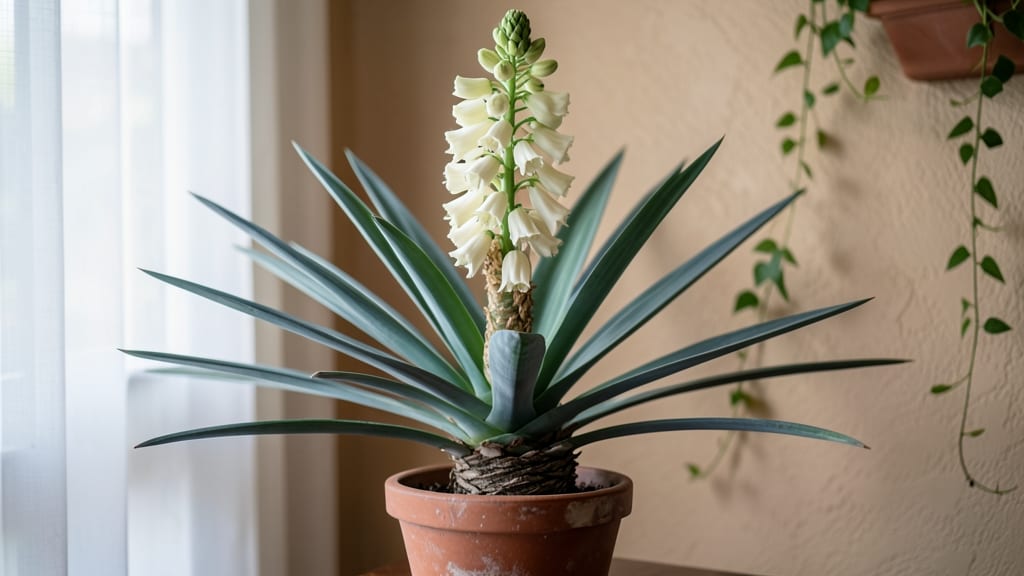
Yucca plants bloom in late spring or summer—when the heat triggers their dramatic, candle-like flowers 🌵—but timing varies wildly by species and climate.
You might have a Yucca filamentosa that’s been patiently waiting for three years or a Yucca rostrata that flowers in late spring if it gets just the right chill. The difference between a thriving bloom and a sad, empty stalk often comes down to sunlight, soil, and a little patience.
In this guide, I break down the heat-triggered bloom calendar by variety and USDA zone, so you know exactly when to expect those towering spikes—and what to do if your plant is taking its sweet time.
You’ll also learn the five most common reasons yuccas skip blooming (and how to fix them), plus how to nudge your plant toward flowering with simple care tweaks.
Yucca bloom time by variety: when to expect flowers based on species
Yucca plants are architectural wonders, but their striking flowers are what truly steal the show. Unlike their foliage, which stays lush year-round, yucca blooms appear sporadically—and knowing when to expect them depends entirely on the variety.
Some yuccas bloom annually, while others wait decades between flowerings. Let’s break down the bloom cycles of 10+ popular varieties so you can set realistic expectations for your garden.
Most yuccas require heat triggers (consistent temps above 85°F for 3+ weeks) to initiate flowering. However, first-flowering age and frequency vary wildly. For example, Yucca filamentosa (Adam’s needle) might bloom in 3–5 years, while Yucca elephantipes (spineless yucca) can wait 10+ years in ideal conditions.
Below, we’ll explore the bloom seasons, age requirements, and frequency patterns for each variety to help you plan your garden’s next floral spectacle.
Pro Tip: If your yucca hasn’t bloomed yet, don’t panic—some varieties are slow to mature. Focus on providing full sun, well-draining soil, and minimal watering to encourage eventual flowering.
| Variety | First Bloom Age | Bloom Season | Frequency | Notes |
|---|---|---|---|---|
| Yucca filamentosa | 3–5 years | Summer (June–August) | Every 3–5 years | Tall, fragrant white blooms; drought-tolerant |
| Yucca gloriosa | 5–7 years | Late spring (May) | Every 2–3 years | Bright green foliage; blooms on mature plants |
| Yucca rostrata | 7–10 years | Late spring (April–May) | Every 4–6 years | Slow-growing; needs full sun and heat |
| Yucca elephantipes | 10–15 years | Summer (July–August) | Every 5–10 years | Spineless; large, dramatic blooms |
| Yucca whipplei | 4–6 years | Summer (June–July) | Every 2–4 years | Native to California; thrives in USDA Zones 7–10 |
| Yucca brevifolia | 10+ years | Spring (March–April) | Every 5–7 years | Joshua Tree; needs arid conditions |
| Yucca flaccida | 3–5 years | Summer (July–August) | Every 3–5 years | Soft, arching leaves; heat-loving |
| Yucca baccata | 5–8 years | Late spring (May–June) |
Heat-triggered bloom calendar: USDA zone-specific timing for Yucca flowersYucca plants thrive on heat, but their flowering windows depend heavily on your USDA zone and summer temperatures. Most varieties need consistent 85°F+ temperatures for 3+ weeks to trigger blooms, but cooler zones require extra care to coax flowers. Understanding these thresholds helps you predict—and even manipulate—when your yucca will burst into its dramatic, candle-like blooms. In Zones 9–11, yuccas often bloom naturally in late spring to early summer, while Zones 4–8 may need protective measures like row covers or container growing to meet heat requirements. The key? Dormancy breaks and frost sensitivity play huge roles—especially for varieties like Yucca gloriosa or Yucca filamentosa, which can suffer bloom delays if winter chilling is insufficient. For Zones 4–5, where winters are harsh, yuccas often need artificial heat triggers. Try moving potted yuccas to a sunny patio or greenhouse in early summer to accelerate blooming. In Zones 6–7, focus on spring soil warming—black landscape fabric or raised beds can push bloom times forward by 2–3 weeks. In warmer Zones 8–11, yuccas may bloom twice a year if conditions are ideal. However, overwatering or excessive nitrogen can delay flowers. Always let soil dry completely between waterings, and avoid fertilizing during bloom season. For Yucca elephantipes, a drought stress period in late winter can actually encourage earlier blooms! Pro tip: Monitor your local heatwave patterns. A sudden spike to 90°F+ for 10+ days often signals bloom initiation. Keep an eye on your yucca’s bud formation—healthy buds appear as tight, green spikes in early spring, maturing into blooms by summer. 🌵 |