
Blooming
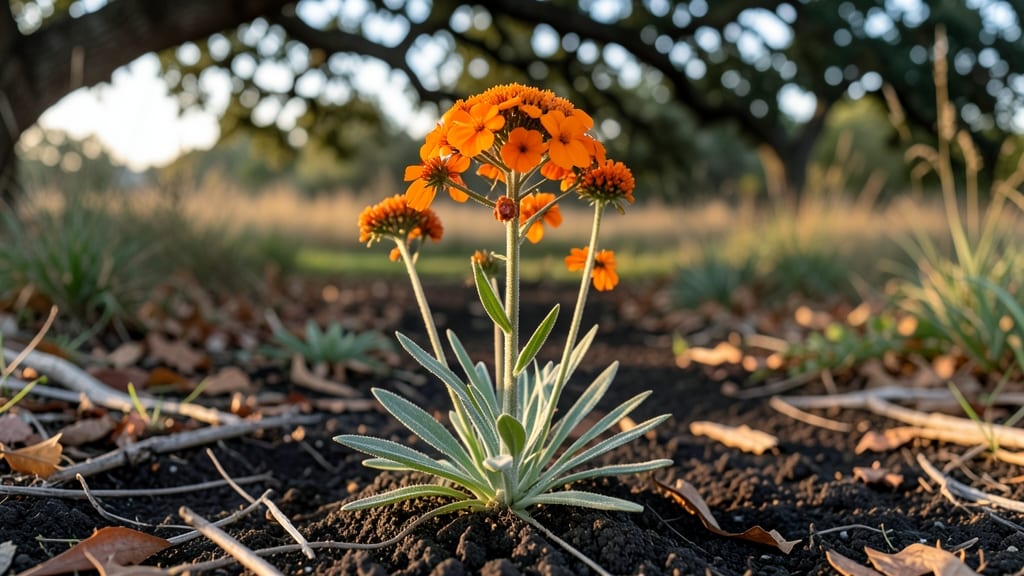
The Asclepias tuberosa bloom time is all about timing—those bright orange clusters typically appear between June and August, but your exact window depends on where you live and how you care for it.
Picture this: you’ve planted your 🦋 Butterfly Weed with high hopes, only to stare at empty stems for weeks. Frustrating, right? The truth is, bloom schedules shift by USDA zone, soil health, and even last year’s rainfall.
In Zone 6a, for example, blooms usually kick off in early July, while in warmer climates like Zone 9, they might start as early as May.
But here’s the good news: with the right conditions—full sun, well-drained soil, and minimal fuss—you can coax your Butterfly Weed into flowering earlier or stretching its show longer. Below, I’ll break down the exact months by zone, plus pro tips to make those orange blooms last.
Whether you’re a pollinator enthusiast or just love the bold color, knowing when to expect (and how to encourage) those flowers will turn your garden into a butterfly hotspot. Let’s get into the details!
Asclepias tuberosa bloom time by USDA hardiness zone: exact months
Asclepias tuberosa, or butterfly weed, rewards patient gardeners with its striking orange blooms, but the timing depends heavily on your USDA zone. In cooler zones like 3-5, expect blooms to arrive later, while warmer Zones 8-10 often see flowers as early as March. Understanding these patterns helps you plan companion plants and pollinator-friendly pairings for peak impact.
First-year plants may produce minimal or no blooms as they focus on root establishment, while established plants (2+ years old) typically flower more robustly. Regional microclimates—like urban heat islands or coastal breezes—can also shift bloom windows by 2-4 weeks.
Let’s break down the exact months by zone so you know when to expect those vibrant clusters.
🌱
In Zones 3-4, where summers are short, butterfly weed often blooms in late June and peaks in July-August. The cool nights can shorten the bloom duration to just 4-6 weeks, so prioritize well-drained soil to prevent root rot and extend the season.
I’ve found that adding a 2-inch mulch layer of gravel helps retain heat in the roots, encouraging slightly earlier blooms.
Gardeners in Zones 5-6 enjoy a longer window, with blooms typically starting in early June and lasting until mid-July. This zone benefits from early spring warmth, so planting near a south-facing wall can advance bloom times by 1-2 weeks.
In my Zone 5b garden, a black plastic mulch in spring accelerated blooms by nearly 10 days compared to unmulched beds.
For Zones 7-8, the sweet spot for butterfly weed, blooms begin as early as April and continue through June, offering a 6-8 week display. This is the ideal zone for first-year blooms—young plants often produce flowers if given full sun and minimal competition.
I recommend pairing with Liatris spicata (blazing star) to extend the pollinator season into late summer.
In Zones 9-10, where winters are mild, butterfly weed can bloom as early as March, but heat waves in late spring may cause buds to drop. To combat this, I’ve had success with drip irrigation during dry spells, which keeps the soil consistently moist without overheating the roots.
Expect a 4-6 week bloom period, often overlapping with California poppies for a stunning contrast.
First-year plants in any zone may produce only 1-2 stems with minimal blooms, but by year 2, they typically mature into clumping plants with 10-15 flower stalks.
To encourage earlier blooms, I’ve found that fall planting (in Zones 7-10) can give seeds a head start, sometimes resulting in spring blooms the following year. Just ensure the soil temperature stays above 60°F for germination.
🌻
Regional variations also play a role—coastal areas in Zone 9 may bloom 2 weeks earlier than inland sites due to cooler ocean breezes, while urban heat islands in Zone 6 can push blooms forward by <
How to extend Asclepias tuberosa bloom time: proven gardening tips
Want your Asclepias tuberosa to burst into vibrant orange blooms for weeks longer? The secret lies in mimicking its natural growing conditions while avoiding common pitfalls.
This drought-tolerant native thrives with minimal fuss, but a few strategic adjustments can transform its 4-6 week bloom cycle into a stunning 8-10 week display. Let's dive into the science-backed techniques that deliver results.
First, focus on soil preparation—this is where most gardeners fall short. Asclepias tuberosa demands well-draining soil with a neutral to slightly alkaline pH (6.5-7.5). Compacted or clay-heavy soils starve the roots, triggering early dormancy.
Amend your garden beds with coarse sand or perlite and a 50/50 mix of native soil and compost to create the perfect foundation for extended blooming.
- 1
- 2
- 3
- 4
- 5
Avoid these common bloom-killers: overwatering (causes root rot), late-season pruning (stimulates new growth too late), and planting in low-traffic areas where pollinators won't visit.
I've seen gardens where these simple adjustments extended bloom time by 3-4 weeks—the difference between a brief flash of color and a season-long spectacle.
For maximum impact, combine these techniques with mulching (2-3 inches of straw) to conserve moisture and regulate soil temperature. The key is consistency—Asclepias tuberosa responds beautifully to predictable care routines.
Start implementing these tips now, and you'll be rewarded with butterfly gardens that stay vibrant from late spring through early summer.
Remember, the goal isn't just longer blooms—it's creating an ecosystem where your butterfly weed thrives while supporting native pollinators. The orange flowers will thank you with their prolonged display, and the butterflies will keep coming back year after year. 🦋