
Blooming
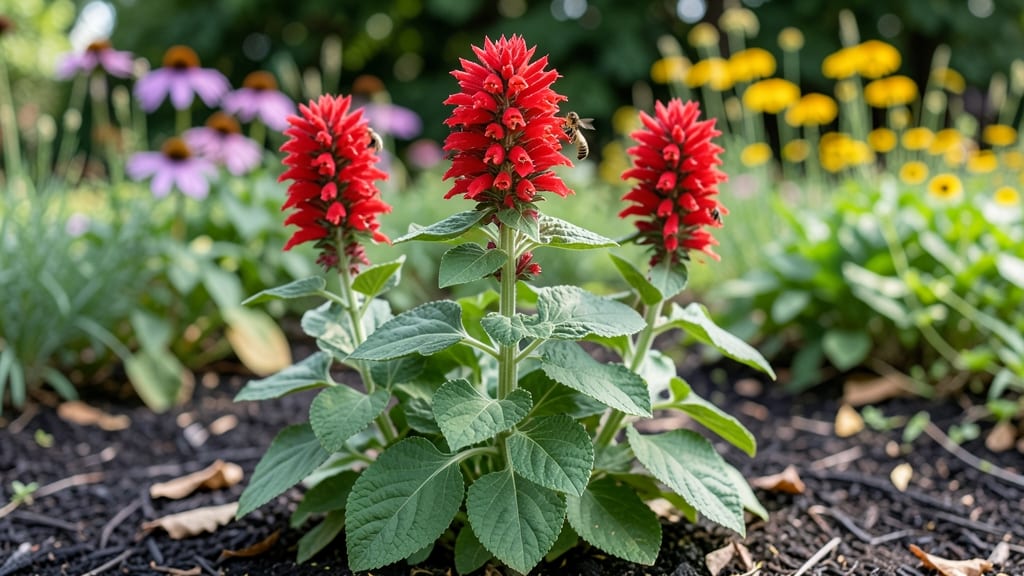
The bee balm bloom season transforms your garden into a buzzing haven for pollinators in late spring through summer 🐝, but the exact timing depends on your hardiness zone.
Picture this: your June garden exploding with vibrant red, pink, or purple spikes, hummingbirds darting between them, and bees lining up for a drink. That dream scene hinges on knowing when your specific zone’s bee balm varieties peak—and how to coax them into lasting longer.
From the cool climates of Zone 3 to the warmth of Zone 10, bloom seasons shift by weeks. A late frost in Zone 6a might delay your June-August window, while heat-tolerant varieties in Zone 8 could reward you with flowers into September.
The right care can stretch that window even further.
In this guide, you’ll discover the month-by-month breakdown for your zone, plus proven tricks to extend blooms—so you’re not left staring at bare stems when the season’s just getting started.
Bee balm bloom season by USDA plant hardiness Zones
Timing is everything when it comes to bee balm (Monarda spp.) blooms, and your USDA hardiness zone determines when those vibrant red, pink, or purple flowers will appear.
From Zone 3's late June bursts to Zone 10's year-round potential, understanding these patterns helps you plan your garden for maximum pollinator appeal and visual impact.
Climate factors like altitude and microclimates can shift bloom windows by weeks. For example, a mountain garden in Zone 6 might bloom 2-3 weeks later than a valley location.
Let's break down the exact months for peak blooms across all zones, including how to adjust care for early or late seasons.
| USDA Zone | Early Bloom | Peak Bloom | Late Bloom | Climate Notes |
|---|---|---|---|---|
| 3-4 | Late June | July-August | Early September | Short season; cold snaps delay blooms |
| 5 | Early June | June-July | Late August | Ideal for early pollinators |
| 6-7 | Mid-May | June-August | September | Longest bloom window |
| 8 | April-May | May-July | September-October | Reblooms with care |
| 9-10 | March-April | April-June | November | Year-round potential with protection |
In Zones 3-4, bee balm thrives as a short-season perennial, with blooms starting late to avoid spring frosts. Gardeners here should choose early-flowering varieties like 'Purple Mountain Majesty' to maximize summer color. The cool nights actually enhance the plant's minty fragrance, making it a sensory delight.
For Zones 5-7, the classic bloom window spans June through August, but with proper deadheading and fertile soil, you can coax late-season blooms into September. This is the ideal range for pollinator gardens, as bees and hummingbirds have ample time to visit before winter sets in.
Southern gardeners in Zones 8-10 enjoy the longest bloom seasons, with some varieties flowering year-round in mild winters. In these zones, heat tolerance becomes critical—opt for drought-resistant cultivars like 'Balmy Pink' to prevent wilting during summer's peak. Mulching with organic matter helps retain moisture.
Altitude plays a surprising role in bloom timing. Gardens above 5,000 feet in Zone 6 may see blooms delayed by 2-3 weeks compared to valley locations. To compensate, plant early-blooming varieties and use black plastic mulch to warm the soil in spring.
This simple trick can advance bloom times by 10-14 days.
Microclimates within your zone also matter. A south-facing slope will bloom earlier than a north-facing yard, sometimes by 3-4 weeks. Observe your garden's sun patterns and adjust plant placement accordingly. For example, move late-blooming varieties to sunnier spots if your zone's typical bloom window feels too
How to extend your bee balm’s blooming season naturally
Bee balm (Monarda spp.) is a pollinator magnet, but its natural bloom season often feels too short. With the right techniques, you can coax your plants into flowering for weeks longer—without chemicals.
The secret lies in mimicking nature’s cues while giving your bee balm the support it needs to thrive. Whether you’re growing perennial varieties like 'Jacob Cline' or annual types, these methods will transform your garden into a late-summer hotspot.
Start by understanding that bee balm’s reblooming depends on three key factors: pruning timing, nutrient balance, and stress reduction. Deadheading spent blooms isn’t just about looks—it signals the plant to redirect energy into new flowers.
But timing matters: prune too early, and you’ll cut off next season’s buds. Too late, and you’ll miss the chance to extend this year’s display. Let’s break down the proven steps to keep your bee balm in peak bloom.
- 1 Deadhead weekly – Pinch off spent blooms 1 inch below the flower head using clean pruners. This prevents seed formation and encourages new flower stalks. Do this every 7-10 days during peak bloom.
- 2 Prune strategically – After the first flush of blooms fades (usually mid-July), cut back 1/3 of the plant’s height. This removes woody stems and stimulates secondary blooming. Avoid cutting into old wood—focus on fresh growth.
- 3 Fertilize lightly – Use a balanced 10-10-10 fertilizer every 4-6 weeks during active growth. Over-fertilizing leads to leafy growth over flowers. Mix 1 tbsp per plant into the soil after watering.
- 4 Mulch deeply – Apply 2-3 inches of mulch (straw or shredded leaves) to retain moisture and regulate soil temperature. This reduces heat stress in summer and protects roots in fall for next year’s blooms.
- 5 Plant companions – Pair bee balm with low-growing perennials like thyme or catmint. These plants repel pests and improve air circulation, reducing fungal diseases that can shorten bloom time.
Don’t overlook the power of watering habits. Bee balm thrives on consistent moisture, especially during hot spells. Water deeply in the morning to prevent fungal issues, and avoid wetting the foliage.
A drip irrigation system set to deliver 1 inch of water weekly keeps roots happy without overwatering. In drought-prone areas, mulch helps retain moisture longer, giving your plants the resilience to keep blooming.
For perennial varieties, focus on late-summer care to ensure next year’s blooms. After the final frost, cut back stalks to 6 inches tall and add a thin layer of compost. This replenishes nutrients and prepares the plant for a stronger rebound in spring.
Annual bee balm benefits from succession planting: sow new seeds every 3-4 weeks in early summer to stagger blooms until frost.
With these techniques, my bee balm patches have rebloomed well into October—far beyond their usual July-August window. The key is consistency: prune, feed, and protect your plants throughout the season. Soon, your garden will become a buzzing paradise for pollinators long after other flowers have faded. 🐝🌿