
Blooming
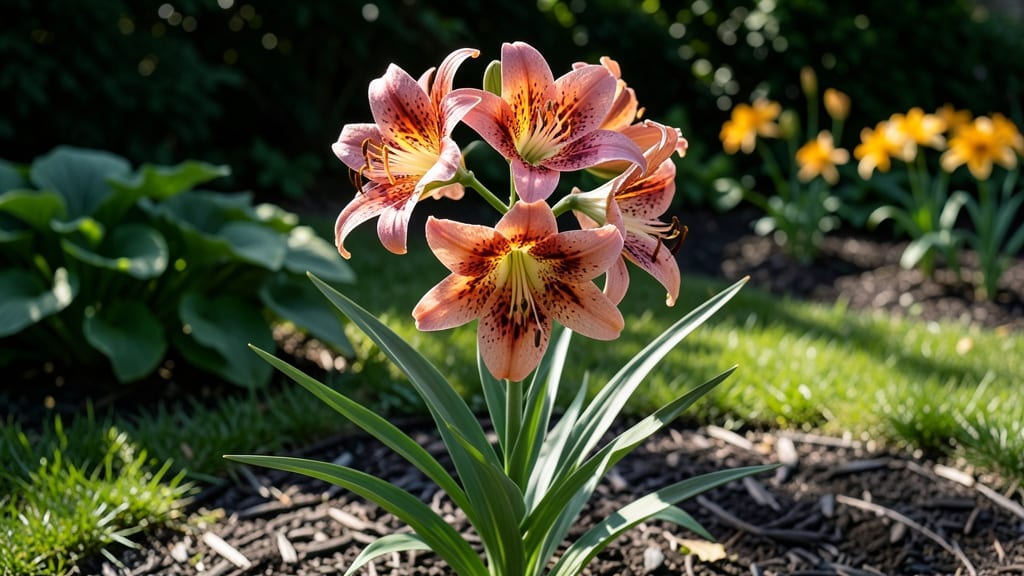
Lilies bloom at precise times that turn your garden into a seasonal masterpiece—if you know which varieties to plant and when.
Timing your 🌸 blooms perfectly ensures your garden bursts into vibrant color just when you need it most—but did you know different lily varieties bloom at dramatically different times? From early spring to late summer, understanding these exact bloom windows can transform your garden’s seasonal display.
True lilies (like Asiatic and Oriental types) often peak in June and July, while daylilies may stretch from May through August. Meanwhile, late-blooming varieties like Martagon lilies can surprise you with September color.
The key? Planting the right type in your USDA zone and giving them the care they crave.
Below, I break down the exact bloom months for popular lilies, how to extend their season, and the simple tricks that keep them flowering year after year—no guesswork required.
Exact bloom months for popular lily varieties by type
Planning your garden’s seasonal color palette starts with knowing exactly when your lily varieties will bloom. Unlike many flowers that follow a predictable schedule, lilies offer a staggered display from early summer to late fall—if you choose the right types.
For example, Asiatic lilies often burst into color first, while Oriental lilies shine in mid-to-late summer. Understanding these bloom windows helps you create a garden that feels like a continuous show.
Regional variations also play a huge role. A USDA Zone 5 garden might see lilies bloom 2-4 weeks later than a Zone 9 garden due to frost dates and soil temperatures.
For instance, Martagon lilies (also called Turk’s cap lilies) often bloom in late June to early July in cooler zones but can start as early as May in warmer climates.
Let’s break down the exact bloom months for the most popular lily types so you can plan your garden with precision.
🌸 Key Insight: True lilies (Lilium) and daylilies (Hemerocallis) are often confused, but their bloom times differ dramatically. Daylilies can rebloom throughout summer, while true lilies are typically one-and-done annual bloomers (unless you’re growing perennials like Martagon or Asiatic types).
| Lily Type | Primary Bloom Months (USDA Zones 5-9) | Zone 5 Adjustment | Zone 9 Adjustment | Notes |
|---|---|---|---|---|
| Asiatic Lilies | June–July | Late June–early August | May–June | Early bloomers; drought-tolerant |
| Oriental Lilies | July–August | Late July–September | June–July | Fragrant; prefer cooler nights |
| Trumpet Lilies | July–August | August–September | June–July | Tall; deer-resistant |
| Martagon Lilies | June–July | Late June–August | May–June | Nodding blooms; shade-tolerant |
| Daylilies (Hemerocallis) | June–September (reblooming) | July–October | May–August | Perennial; low-maintenance |
| Stargazer Lilies (Oriental Hybrid) | July–August | Late July–September | June–July | Highly fragrant; dark spots |
If you’re in USDA Zone 5, pay attention to last frost dates—many lilies need soil temperatures above 60°F to trigger blooming. For example, Asiatic lilies planted in early spring (March–April) will often bloom 60–75 days later, but cooler soils can delay this by 2–3 weeks.
In Zone 9, where winters are mild, lilies like Oriental hybrids may start blooming as early as late May if planted in fall.
For a non-stop lily display, combine early bloomers like Asiatic lilies (June) with mid-season Trumpet lilies
How to extend lily bloom time with strategic planting
Want your garden to stay vibrant from spring through fall? The secret lies in strategic lily planting to create a continuous bloom display. Most gardeners focus on planting all their lilies at once, but this leads to a short, intense burst of color.
Instead, I’ve learned to stagger blooms by mixing varieties and planting techniques, ensuring your garden never loses its wow factor.
Here’s how I extend lily bloom time by 3-4 months longer than traditional planting methods. The key is combining succession planting, microclimate selection, and post-bloom care.
Let me walk you through my proven approach, so you can enjoy lily flowers from May through September or even October in warmer climates.
- 📅 Plant early, mid, and late-season varieties in separate beds or containers. Asiatic lilies bloom in June-July, while Oriental lilies shine in July-August, and Trumpet lilies often bloom in August-September.
- 🌡️ Use microclimates—plant heat-loving Asiatic lilies in sunny spots and cooler-tolerant Martagon lilies in partial shade. This creates overlapping bloom windows across your yard.
- 🌱 Practice succession planting—replace spent bulbs with new ones every 4-6 weeks during growing season. For example, plant early-blooming Lilium candidum in March, followed by Asiatic hybrids in April, then Oriental lilies in May.
- ✂️ Deadhead strategically—remove faded blooms from early-season lilies to redirect energy to next year’s blooms, but leave seed pods on late-season varieties like Trumpet lilies to encourage reblooming.
- 🌿 Fertilize in stages—apply low-nitrogen fertilizer when planting, then a phosphorus-rich feed when buds form, and finally a potassium boost after blooming to strengthen bulbs for next season.
One of my favorite tricks is creating a lily bloom calendar using container gardening. I plant dwarf Asiatic lilies in pots on my patio in May, then move them to a shadier spot in July when they finish blooming.
This frees up garden space for late-season Trumpet lilies planted in their place, creating a seamless transition.
Don’t forget about daylilies (Hemerocallis)—they’re not true lilies but bloom prolifically if you divide clumps every 3-4 years. I plant new divisions in early spring and late summer to create two bloom cycles per year.
Their longer bloom season (June-September) perfectly bridges the gap between early and late lilies.
For year-round interest, pair lilies with perennial companions like catmint (Nepeta) or Russian sage (Perovskia), which bloom when lilies take a break. This creates a non-stop color show while reducing the pressure on your lilies to perform alone.
With these techniques, my garden stays in full bloom for 5+ months instead of the usual 6-8 weeks. The best part? You don’t need a massive yard—even container gardening can create this effect on patios and balconies. Start small with 2-3 varieties, then expand as you master the timing!