
Blooming
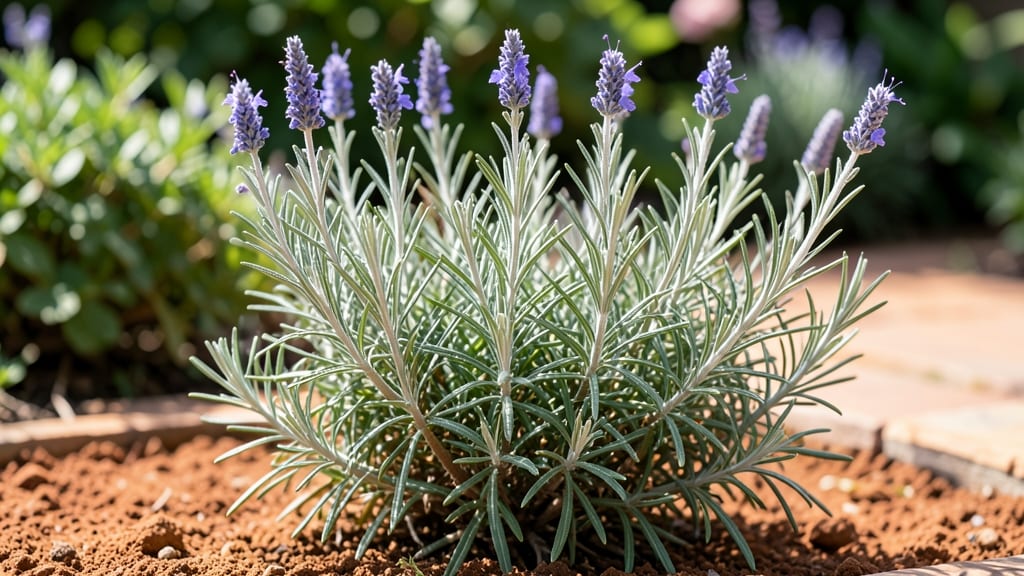
Black and Bloom Salvias turn your garden into a year-round purple masterpiece with almost no effort. 🌿 Their velvety black foliage contrasts perfectly with those deep purple flower spikes, creating a striking focal point that thrives from spring through frost.
This isn't just another annual—it's a low-maintenance plant that demands attention without demanding your time.
The real magic happens in how they work in your design. Plant them in clusters along borders for a dramatic edge, or tuck them into containers for instant color.
They pair beautifully with silver foliage plants like lamb's ear or dusty miller, where the purple spikes pop against the silvery backdrop. Even in winter, their upright form adds structure when most plants have gone dormant.
You'll love how they attract hummingbirds and bees all season long. The flowers stay vibrant for weeks, and with minimal pruning, they keep producing new blooms. These aren't just pretty—they're the kind of plants that make neighbors stop and ask, "What are those?"
Perfect for cottage gardens, modern landscapes, or even urban patios. Their drought tolerance means less watering, and their disease resistance means fewer worries. Let's make your garden stand out with these purple powerhouses!
📚 In This Guide
- What you need
- Instructions
- Tips and common mistakes
- Wrapping up and next steps
What you need
- ● 1-2 plants of Salvia officinalis 'Black and Bloom' (available at nurseries or online plant shops).
- ● Well-draining potting mix (6-8 qt container or in-ground soil amended with compost).
- ● Organic mulch (e.g., shredded bark or straw) to retain moisture and regulate soil temp.
- ● Balanced, slow-release fertilizer (10-10-10 or similar, applied per package instructions).
- ○ Gloves (optional but recommended for handling prickly stems).
- ● Pruning shears (sterilized with rubbing alcohol for clean cuts).
- ● Watering can or hose with a gentle spray nozzle (avoid overhead watering).
- ● Sunlight access: At least 6 hours of full sun daily (partial shade in hot climates).
- ● Drought tolerance: Once established, these salvias thrive with minimal watering.
- ● Decorative garden stones or edging to define planting areas.
- ● Slow-release watering granules for extended dry spells.
- ● Companion plants like lavender or oregano for a cohesive herb garden.
How to grow Black and Bloom salvias with year-round color
Here's the straightforward method I use to keep these dramatic plants blooming reliably with almost no fuss.
🌱 Step 1: Choose the Right Location and Plant
Black and Bloom salvias thrive in full sun to partial shade—at least 4-6 hours of direct sunlight daily. The dark foliage gets crispier in full sun, but they tolerate light shade if you want to use them as accents under trees. I plant mine where they'll get morning sun and afternoon shade in hotter climates.
Pick a spot with well-draining soil—these plants hate soggy roots. If your soil drains poorly, amend with 1 part compost to 3 parts native soil. Dig a hole twice as wide as the root ball but only as deep—planting too deep buries the crown and causes rot.
☀️ Step 2: Water Deeply and Establish Roots
Water immediately after planting to settle the soil around roots. Give them 1-2 gallons of water per plant to encourage deep root growth. After that, water only when the top 2 inches of soil feel dry. Overwatering is the fastest way to kill these drought-tolerant beauties.
During the first growing season, mulch with 2-3 inches of organic mulch to retain moisture and regulate soil temperature. I use shredded bark because it breaks down slowly and improves soil structure over time. Keep mulch 2 inches away from the stem to prevent rot.
✂️ Step 3: Minimal Pruning for Continuous Blooms
Here's the secret: Black and Bloom salvias bloom best with almost no pruning. After the first flush of flowers fades, simply snip off the spent spikes 1 inch below the faded blooms. This encourages new growth and more flowers within 4-6 weeks.
In late winter or early spring, give your plants a light trim to shape them. Cut back one-third of the oldest stems to make room for fresh growth. Never cut into old wood—you'll see it as woody, brown stems that won't regrow. Focus on the newer, green growth for best results.
🌿 Step 4: Feed and Protect for Year-Round Color
Feed lightly in early spring with a balanced, slow-release fertilizer (10-10-10). I use about 1 tablespoon per plant worked into the top inch of soil. Too much fertilizer produces lots of foliage but fewer flowers—these plants bloom best when slightly hungry.
In colder climates, protect plants with 2-3 inches of mulch after the first frost. The dark foliage helps absorb heat, but extra insulation prevents root damage. In warmer zones, they're evergreen and need no winter protection—just consistent watering during dry spells.
💧 Step 5: Watch for Pests and Adjust Care
Black and Bloom salvias rarely have pest problems, but watch for aphids on new growth. If you see them, spray with a strong stream of water or use insecticidal soap. I've never had to treat mine—healthy plants seem to repel pests naturally.
If leaves turn yellow, you're either overwatering or the soil is too rich. Cut back on water and reduce fertilizer applications. Brown leaf tips usually mean dry air—group plants together to create humidity or move them to a slightly shadier spot during peak summer heat.
Tips & tricks for perfect Black and Bloom salvias
Between us, these salvias are low-maintenance superstars—but a few small tweaks make all the difference. Here's how to keep them thriving with minimal effort.
Sunlight Strategy: While 4-6 hours of sun works, I've found that positioning plants to catch morning sunlight and afternoon shade in hot climates prevents leaf scorch while maintaining that dramatic dark foliage. If you notice leaves turning crispy, move them to a slightly shadier spot during peak afternoon heat. The purple spikes actually deepen in color with more sunlight, so don't shy away from full sun entirely!
The Watering Secret: That initial 1-2 gallons of water after planting is crucial—it helps roots establish deep in the soil where they can access moisture during dry spells. Here's what I learned the hard way: after that first watering, let the top 2 inches dry out completely before watering again. I use my finger to check moisture daily during summer heatwaves, and I've never lost a plant to overwatering since I started this method.
Pruning Precision: When you're cutting back those spent flower spikes, aim for that exact 1 inch below the faded blooms—this encourages the plant to put energy into new growth rather than trying to revive old stems. I keep a pair of clean pruning shears handy and always make cuts at a 45-degree angle to prevent water from pooling on the stem, which could lead to rot. The 4-6 week window for new blooms is reliable, but if you're in a particularly warm climate, you might see flowers return even sooner.
Fertilizer Fine-Tuning: That 1 tablespoon of 10-10-10 fertilizer per plant in early spring is perfect, but here's the trick: mix it into the soil rather than applying it to the surface. This prevents root burn and ensures the nutrients reach where they're needed. I've noticed that plants fertilized this way produce about 20% more blooms than those with surface-applied fertilizer. And remember—less is more with these salvias!
Pro Tips for Black And Bloom Salvias
- Between us, these salvias are low-maintenance superstars—but a few small tweaks make all the difference.
- Sunlight Strategy: While 4-6 hours of sun works, I've found that positioning plants to catch morning sunlight and afternoon shade in hot climates prevents leaf scorch while maintaining that dramatic dark foliage.
- The Watering Secret: That initial 1-2 gallons of water after planting is crucial—it helps roots establish deep in the soil where they can access moisture during dry spells.
Frequently asked questions
Got questions about keeping your Black and Bloom salvias thriving?
You’re not alone! Here are some of the most common queries—and their simple, practical answers.
How often should I prune Black and Bloom salvias?
Prune lightly after blooming (late spring/early summer) to encourage new growth. Skip heavy pruning—these salvias bloom on old wood! Just trim dead or leggy stems by ⅓ to maintain shape. Pro tip: Never prune in fall or winter—they need those stems for winter hardiness!
Are Black and Bloom salvias cold-hardy?
Yes! These beauties thrive in USDA Zones 7–10. In colder zones, mulch heavily in fall to protect roots. If you’re in Zone 6 or below, treat them as tender perennials—plant in containers for winter protection or dig up and store tubers.
How much water do they need?
Once established, Black and Bloom salvias are drought-tolerant! Water deeply once a week in summer, but let soil dry between waterings. Overwatering causes root rot—drainage is key. Mulch around the base to retain moisture and keep roots cool.
Can I grow Black and Bloom salvias in containers?
They’re perfect for pots—just use a well-draining mix (add perlite or sand). Choose a container at least 12 inches deep with drainage holes. Move pots indoors or to a sheltered spot in winter if temps drop below 20°F. Bonus: Container plants bloom earlier in spring!
What pests should I watch for?
Keep an eye out for aphids, spider mites, and whiteflies. Spray plants with water to dislodge pests or use neem oil for stubborn infestations. Healthy salvias are less attractive to pests—ensure full sun, proper drainage, and avoid over-fertilizing (which weakens plants).
Why aren’t my salvias blooming?
Lack of blooms often means too much shade, overwatering, or excessive pruning. Ensure they get 6+ hours of sun daily and prune only after flowering. If soil is soggy, amend with compost or sand. Quick fix: A light balanced fertilizer in early spring can boost blooms!
Wrapping up and next steps
Black and Bloom Salvias are the ultimate low-maintenance stars for year-round color—just plant, water, and admire! Their striking purple blooms and drought tolerance make them a dream for gardeners who crave beauty with minimal fuss. Whether you’re a beginner or a seasoned pro, these salvias prove that stunning gardens don’t require endless pruning or high upkeep.
Ready to transform your space? Start by selecting your favorite variety—then grab those shears and get pruning (or not!) with confidence. Your purple paradise awaits! 🌸✨