
Blooming
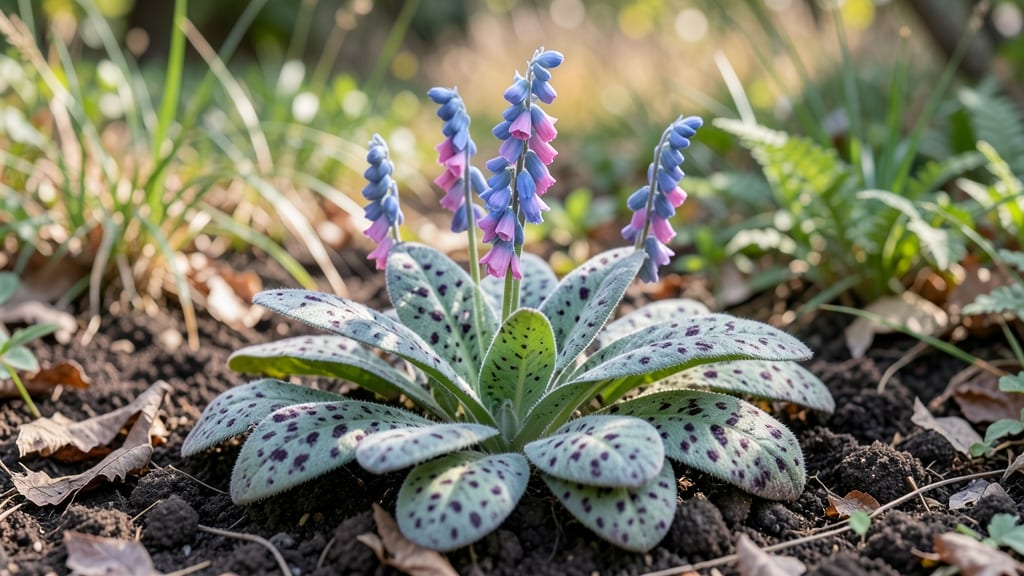
Lungwort blooms at a time when most perennials are still sleeping—late winter to early spring, as soon as the snow melts but before summer heat arrives. 🌿 I’ve watched these purple-spiked flowers push through frost-kissed soil in my garden, often by February in milder zones and March in colder ones.
The timing varies by species (Pulmonaria officinalis tends to bloom earliest) and your local climate, but lungwort’s secret weapon is its ability to rebound with second flushes later in the season.
What makes lungwort special is its two-phase bloom cycle: the first flush of flowers in spring, followed by a surprise round of blooms in late summer or fall if you keep the foliage healthy.
In my zone 6 garden, the second wave appears in September, adding unexpected color when most perennials are winding down. The key to encouraging this is consistent moisture—lungwort hates drought—and partial shade to protect those delicate spikes from scorching.
You’ll end up with a garden that feels alive earlier than anyone expects, plus a year-round show if you prune spent blooms and mulch well. The foliage itself is striking—silver-spotted leaves that stay attractive even when not in bloom—so lungwort never truly takes a break.
It’s the kind of plant that rewards patience with unexpected bursts of color when you least expect them.
Works beautifully in woodland gardens, under trees, or along shady borders where few other perennials thrive. The only real rule? Don’t let the soil dry out completely, and you’ll get blooms that seem to defy the seasons. Here’s how to make the most of it in your own garden.
📚 In This Guide
- What you need
- Instructions
- Tips and common mistakes
- Wrapping up and next steps
What you need
- ● Lungwort plants: 3–5 Pulmonaria varieties (e.g., P. officinalis, P. saccharata) for diverse bloom times and foliage.
- ● Well-draining soil: 5–10 bags (50 lb each) of a mix of peat-free potting soil and compost (ratio: 2:1).
- ● Organic mulch: 2–3 cubic feet of shredded bark or leaf mold to retain moisture.
- ● Slow-release fertilizer: 1 lb of 10-10-10 or balanced organic fertilizer (e.g., fish emulsion).
- ● Garden trowel (for planting).
- ● Gloves (to protect hands from soil and sap).
- ● Watering can (with a rose nozzle for gentle watering).
- ● Pruners (sterilized, for deadheading or shaping).
- ● Sunlight gauge: A spot with partial shade (4–6 hours of dappled sun/day).
- ● Epsom salt: 1 cup (for magnesium boost; mix into soil at planting).
- ● Companion plants: Ferns or hostas (to mimic lungwort’s native woodland habitat).
- ● Drip irrigation system (for consistent moisture in dry climates).
- ● Plant labels (to track varieties and bloom cycles!).
How to time lungwort blooms for year-round purple spikes
Lungwort’s secret? Two bloom cycles—spring and fall—with the right care. Here’s how to coax those striking purple flowers back every season.
🌱 Step 1: Plant in the Right Spot for Spring Blooms
Lungwort thrives in partial shade—think 3-6 hours of morning sun with afternoon shade protection. I always plant mine under deciduous trees so they get filtered light in summer but full sun in early spring when blooms emerge. The key is moist, well-draining soil—amend heavy clay with 2-3 inches of compost before planting.
Dig a hole twice as wide as the root ball but only as deep as the container it came in. Press the soil firmly around the roots to eliminate air pockets, then water deeply until moisture reaches 6 inches down. You’ll know it’s right when the soil surface looks damp but not soggy.
☀️ Step 2: Encourage Fall Rebloom with Strategic Light
Most gardeners miss lungwort’s second bloom because they assume it’s dormant. The trick? Extend light exposure in late summer. Move plants to a spot with 4-5 hours of afternoon sun starting in August. This signals the plant to push new flower spikes before winter.
Watch for new growth at the base—those are your fall blooms forming. If your lungwort stays in deep shade, it’ll focus energy on foliage instead. I’ve seen plants produce two full sets of purple spikes in one season when given this light adjustment.
💧 Step 3: Water and Feed for Continuous Blooming
Lungwort’s secret to reblooming lies in consistent moisture. Water 1-2 times weekly during dry spells, aiming for 1 inch of water per week. The soil should feel damp 2 inches down—if it’s bone dry, you’ve waited too long. Mulch with 2 inches of shredded bark to retain moisture and protect roots.
Feed lightly in early spring and mid-summer with a balanced 10-10-10 fertilizer (½ strength). Too much nitrogen makes plants lush but flower-sparse. I swear by fish emulsion for a gentle boost—just mix 1 tablespoon per gallon of water and apply every 6 weeks.
✂️ Step 4: Prune Strategically After Each Bloom
Deadhead spent spring blooms by cutting back purple flower spikes to the first set of healthy leaves. This redirects energy to foliage and fall flowers. I use clean, sharp pruners and make cuts at a 45-degree angle just above a leaf node to prevent water pooling.
After fall blooms fade, trim back one-third of the oldest growth to make room for new shoots. Never cut into bare stems—always leave 2-3 inches of foliage. This pruning keeps lungwort compact and encourages year-round regrowth.
⏰ Step 5: Protect for Winter to Ensure Next Year’s Blooms
Lungwort’s hardy, but heavy mulch in late fall prevents heaving. Spread 3-4 inches of straw or shredded leaves over the crown. In Zone 5 or colder, add a lightweight frost blanket during extreme cold snaps—just remember to remove it in early spring.
The real reward comes in March, when new shoots push through the mulch. That’s your signal to gradually uncover the plant and resume watering. With this care, you’ll get two stunning bloom cycles instead of one.
Tips & tricks for perfect lungwort bloom timing
These little-known details make all the difference between one-season blooms and year-round purple spikes.
Location is Everything: In Step 1, that "partial shade" isn't just about avoiding sunburn—it's about creating the perfect light balance. I've noticed lungwort planted in full shade will produce lush foliage but almost no flowers. The key is morning sun (3-6 hours) when temperatures are cooler, which helps prevent stress. If your yard only has full sun spots, try planting near a north-facing wall where light is diffused.
Fall Light Hack: Don't overlook Step 2's afternoon sun adjustment in August. This is where most gardeners miss the second bloom cycle. I've seen lungwort produce vibrant fall flowers even in Zone 6 when moved to 4-5 hours of afternoon sun. The trick is to watch for those tiny new shoots at the base—those are your fall blooms announcing they're ready to form. If you see them but still get no flowers, you might need an extra week of extended light exposure.
Watering Wisdom: Step 3's moisture requirements are non-negotiable for reblooming. The "damp 2 inches down" check is crucial—lungwort roots need consistent hydration but hate soggy conditions. I've found using a moisture meter helps track this precisely. For container-grown lungwort, water every 2-3 days in summer since pots dry out faster. The secret to continuous blooming? Never let the soil dry completely between waterings.
Pro Tips for Lungwort Bloom Time
- These little-known details make all the difference between one-season blooms and year-round purple spikes.
- Location is Everything: In Step 1, that "partial shade" isn't just about avoiding sunburn—it's about creating the perfect light balance.
- Fall Light Hack: Don't overlook Step 2's afternoon sun adjustment in August.
Frequently asked questions
Got questions about lungwort bloom time? You’re not alone! Here are some of the most common queries—plus answers to help you make the most of these resilient perennials.
When does lungwort typically bloom?
Lungwort (Pulmonaria) usually blooms in early to mid-spring (March–May, depending on your climate). Its vibrant flowers fade to pink or white as they age, creating a stunning color shift. After blooming, it shifts focus to lush foliage, which stays attractive through summer and fall.
Why isn’t my lungwort blooming this year?
If your lungwort skips blooming, check these factors: overcrowding (divide clumps every 3–4 years), poor sunlight (it thrives in partial shade), or excessive fertilizer (too much nitrogen promotes leaves over flowers). Deadhead spent blooms to encourage reblooming in some varieties.
How long does lungwort bloom for?
Lungwort’s flowering phase lasts 4–6 weeks, but its charm doesn’t end there! The speckled foliage (a signature trait) remains vibrant for months, and some varieties produce secondary blooms in late summer. It’s a year-round garden workhorse!
Can I cut lungwort back after blooming?
Yes! Trim back faded flower spikes to neatly shape the plant and encourage new growth. Avoid cutting the foliage unless it’s damaged—lungwort’s leaves are its star feature. Pro tip: Leave some seed heads for winter interest or to attract pollinators!
What’s a good alternative if lungwort blooms too late for my garden?
If you want earlier spring color, try heuchera (coral bells), lamium (dead nettle), or ajuga (bugleweed). These shade-loving perennials bloom in late winter or early spring and pair beautifully with lungwort’s later foliage display.
Wrapping up and next steps
Discovering the lungwort bloom time reveals a resilient plant that thrives with minimal fuss—whether you're a seasoned gardener or a curious beginner! 🌿 These vibrant purple spikes not only add charm to your garden but also offer year-round interest, making them a must-have for low-maintenance beauty.
Ready to transform your outdoor space? Grab your gloves, pick a sunny spot, and let this hardy perennial work its magic—your future garden will thank you!
Next step: Start with just one lungwort plant, and watch as it multiplies and spreads effortlessly. Happy planting! 🌱