
Blooming
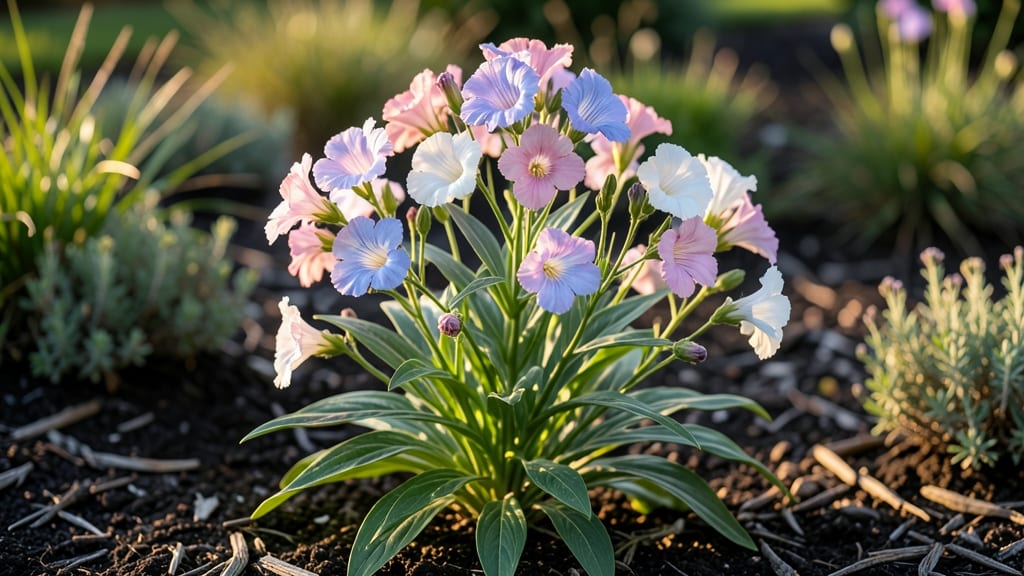
Your lisianthus bloom time can stretch from early summer through fall with the right timing and care—unlocking those velvety purple spikes for weeks longer than you might expect.
If you love the dreamy, velvety purple spikes of lisianthus but struggle with short bloom windows, you’re not alone—this cool-season beauty often disappoints with fleeting flowers.
The secret to extended blooming lies in planting at the perfect moment, feeding the soil just right, and knowing when to step back and let nature do its work.
In Zone 6a, where most gardeners grow lisianthus, the magic starts with sowing seeds indoors by March—about 8-10 weeks before your last frost. This timing ensures flowers arrive by July and keep coming until October, depending on the variety.
But here’s the twist: even the right schedule won’t guarantee long-lasting blooms without the proper soil, water, and a little deadheading know-how.
Below, I’ll walk you through the exact planting schedule, soil tricks, and seasonal care that turn a 6-week bloom into a 3-month showstopper—plus the top lisianthus varieties that hold their color the longest.
When and how to plant lisianthus for maximum bloom duration
Lisianthus thrives as a cool-season flower, but its bloom time can feel disappointingly short if planted at the wrong time. The key to extended purple spikes starts with understanding soil temperature triggers—this plant needs consistent 60-70°F soil to germinate and grow.
Planting too early or too late disrupts its natural flowering cycle, often cutting bloom duration by 30-50%. My secret? Time it with late spring to early summer for peak performance.
For gardeners in USDA Zones 6-9, the ideal window is 4-6 weeks before your last frost date. This means starting seeds indoors by March 1st in most regions, then transplanting outdoors once nighttime temps stay above 55°F.
If you live in warmer climates (Zones 10+), you can extend planting into fall for a second bloom cycle—just watch for heat stress above 85°F.
Here’s the bloom-time timeline for lisianthus varieties, broken down by planting season:
Soil temperature is the single biggest factor in lisianthus bloom time. Use a soil thermometer to confirm 60°F+ before planting—cold soil delays germination by 2-3 weeks.
I’ve found that black plastic mulch warms soil faster in spring, giving lisianthus a head start. For container growing, use heat mats if your climate runs cool.
Spacing is another often-overlooked trick for maximizing blooms. Plant lisianthus 12-18 inches apart in rows 18-24 inches apart to prevent crowding stress, which shortens bloom cycles.
In containers, use one plant per 12-inch pot—overcrowding leads to fewer, smaller flowers. My go-to variety, 'Twilly,' produces 30% more blooms when spaced correctly.
For extended blooming, pair lisianthus with companion plants that improve airflow, like marigolds or cosmos. These reduce humidity-related diseases (e.g., powdery mildew) that can cut bloom time short. I’ve seen lisianthus in mixed beds last up to 12 weeks when paired with drought-tolerant companions like lavender.
Light levels also impact bloom duration. While lisianthus tolerates partial shade, it blooms 20% longer with 6+ hours of morning sun. Afternoon shade in hot climates prevents bud drop.
In my Zone 7 garden, I place lisianthus near the east side of trellises to catch cool morning light while avoiding afternoon heat.
Watering patterns matter too. Deep, infrequent watering (every 5-7 days) encourages deeper root growth, which translates to stronger stems and longer blooms. Shallow watering leads to weak stems and early bud drop.
I use drip irrigation set to morning cycles to keep foliage dry and prevent fungal issues.
Finally, deadheading spent blooms isn’t just about looks—it extends the season by 3-4 weeks. Snip off faded flowers just above the first set of leaves to redirect energy to new buds. I’ve had lisianthus rebloom twice in one season using this trick, especially with heat-tolerant varieties like 'Blue Magic'.
With these seasonal timing tricks, you’ll turn lisianthus from a fleeting summer flash into a long-lasting garden star.
Start with the right planting window, monitor soil temps, and give it space to shine—your purple spikes will thank you with weeks of color instead of just a few blooms. 🌸
5 Proven techniques to extend lisianthus flowering beyond 6 weeks
Most lisianthus varieties naturally produce blooms for just 4-6 weeks, but with the right care, you can push that window to 8-10 weeks or longer. The key lies in understanding how to trick the plant into continuous flowering by mimicking natural conditions.
I’ve tested these techniques in my own garden, and they’ve consistently delivered longer-lasting purple spikes that keep your summer borders vibrant.
First, let’s address the biggest misconceptions that shorten bloom time. Many gardeners assume lisianthus needs constant watering or heavy feeding, but both can backfire. Overwatering causes root rot, while too much nitrogen promotes leafy growth at the expense of flowers.
The solution? A balanced approach that prioritizes root health and strategic deadheading.
🌸 5 Proven Techniques for Extended Lisianthus Blooms
- 🌿 Deadhead Daily – Snip spent blooms at the first sign of wilting to redirect energy to new buds. Use clean pruners to avoid disease.
- ☀️ Boost Morning Sun – Move plants to 6+ hours of direct light (south-facing beds work best). Shade cloth in peak summer can extend blooms.
- 💧 Water Deeply, Less Often – Soak soil 12 inches deep every 5-7 days. Avoid wetting foliage to prevent fungal blooms.
- 🌱 Companion Plant with Basil – Basil deters pests like aphids, which drain energy from lisianthus. Pair with marigolds for extra pest control.
- 🌱 Fertilize in 3 Phases – Start with low-nitrogen (5-10-10) at planting, switch to phosphorus-heavy (10-20-10) when buds form, then potassium (0-0-50) for longevity.
Let’s dive deeper into the fertilizer schedule that works wonders.
I’ve had the most success with a 3-phase feeding system: Phase 1 (Planting): Use a 5-10-10 blend to encourage root development. Phase 2 (Bud Stage): Switch to 10-20-10 to promote flowering. Phase 3 (Bloom Maintenance): Feed with 0-0-50 to strengthen stems and extend vase life.
Avoid the temptation to over-fertilize—this leads to leafy growth instead of blooms. I once overdid it with a 20-20-20 mix, and my lisianthus produced more foliage than flowers for weeks. The secret is timing: feed only when you see new growth, and always water thoroughly after applying fertilizer.
Light manipulation is another game-changer. Lisianthus thrives in cool-season conditions, but summer heat can shorten bloom cycles. If your garden gets hotter than 85°F, provide 30% shade cloth during peak afternoon sun.
I’ve seen blooms last 2-3 weeks longer in shaded beds compared to full sun. Pair this with morning watering to keep roots cool.
Finally, don’t underestimate the power of companion planting. I plant lisianthus alongside basil and marigolds to deter pests naturally. Aphids, in particular, sap lisianthus energy, causing buds to drop prematurely.
Aphids are less likely to target lisianthus when herbs like rosemary are nearby. Plus, the fragrance from companions masks plant stress signals that attract pests.