
Blooming
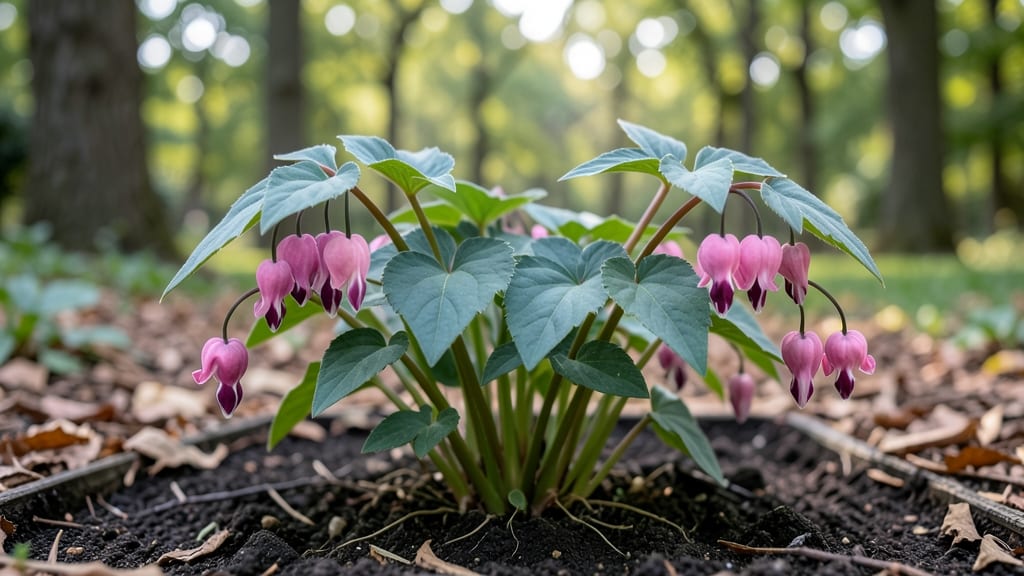
The bleeding heart bloom time in spring is short but magical—those iconic heart-shaped flowers 💔 appear for just a few weeks, leaving gardeners wondering how to stretch their display.
If you love the delicate, heart-shaped blooms of Dicentra spectabilis, you know their brief spring show can feel like a fleeting gift. But with the right pruning tricks and seasonal care, you can coax them into blooming later or even prolong their beauty for weeks.
In USDA Zone 6a, these perennials typically burst into color in March or April, depending on your last frost date. However, cooler climates may delay blooms until May, while warmer regions might see them as early as February.
Below, I’ll share proven strategies—from strategic pruning to soil prep—to extend your bleeding heart’s bloom time, plus companion plants that keep your garden vibrant long after the flowers fade.
Understanding bleeding heart bloom time and natural growth cycles
Bleeding heart (Dicentra spectabilis) plants thrive on a predictable spring bloom cycle, typically gracing gardens from late March to early May in most USDA Zones 3-8. Their delicate, heart-shaped flowers emerge after winter dormancy, but understanding their natural growth phases helps maximize their display and health.
The plant’s bloom window is short because Dicentra spectabilis is a short-lived perennial with a built-in decline after flowering. Once blooms fade, the foliage naturally yellows and dies back, entering summer dormancy—a critical phase where energy is stored for next year’s growth.
This cycle is hardwired into the plant’s biology, but light conditions and soil moisture can influence timing.
Summary Table: Key Growth Stages and Timing
The timing of bleeding heart blooms shifts slightly based on your climate zone. In warmer southern regions (Zones 7-8), blooms may appear as early as February, while northern gardeners (Zones 3-5) often see flowers in late April.
This variation is due to temperature triggers—cool spring nights and mild days signal the plant to bloom.
Light exposure plays a surprising role in bloom timing. While bleeding hearts tolerate partial shade, they need at least 4-6 hours of morning sun to set buds properly. Too much afternoon sun can stress the plant, delaying blooms or causing foliage to scorch. In hot climates, afternoon shade is essential to protect the delicate leaves and encourage timely flowering.
Soil conditions also impact bloom time. Well-draining, rich soil with organic matter promotes vigorous growth, leading to earlier and more abundant blooms.
If your soil is clay-heavy or compacted, amend it with compost or peat moss before planting. pH levels between 6.0-7.0 are ideal—test your soil in fall to make adjustments for next spring’s display.
After blooming, bleeding hearts enter a critical dormancy phase where they store energy for next year. During this time, reduce watering and avoid fertilizing, as these practices can disrupt the plant’s natural cycle.
The foliage will yellow and die back, but resist the urge to prune—leaving the dead leaves protects the crown from winter cold and insulates the roots.
In USDA Zone 6a (like much of the Midwest), where I garden, bleeding hearts typically bloom from mid-April to early May. However, a late frost can damage emerging buds, so I always monitor the 10-day forecast and cover plants if frost is predicted.
This attention to timing helps ensure a longer, more reliable bloom period each year.
One common misconception is that bleeding hearts rebloom in fall. While some varieties like Dicentra eximia (fringed bleeding heart) may produce a second, smaller flush of flowers in late summer, the classic Dicentra spectabilis does not.
Understanding this helps set realistic expectations and focus care efforts on spring bloom preparation rather than fall reblooming.
To
How to prune bleeding hearts to delay or extend blooms
Bleeding hearts (Dicentra spectabilis) typically bloom in early to mid-spring, but their show can feel too brief for many gardeners. The key to extending their bloom time lies in strategic pruning, which encourages reblooming by redirecting the plant's energy.
Unlike many perennials, bleeding hearts bloom on old wood—meaning last year's growth—so aggressive pruning can actually shorten future blooms. Instead, focus on light pruning and deadheading to coax more flowers without sacrificing next year's display.
Timing is everything. Prune after the first flush of blooms (late spring) to avoid cutting off next year's flower buds, which form on stems during summer. For delayed blooming, prune lightly in early summer to encourage a second, smaller flush of flowers in late summer or early fall.
Always use clean, sharp pruners to prevent disease and make precise cuts just above a leaf node or bud.
Step-by-Step Pruning Guide for Extended Blooms
-
Step 1: Deadhead Spent Blooms
Remove faded flowers by cutting stems 1-2 inches below the bloom. This prevents seed formation and redirects energy to new growth.
-
Step 2: Light Pruning After First Bloom
Trim 10-20% of the plant’s height (about 3-6 inches) in late May or early June to encourage a second flush. Avoid cutting into old wood.
-
Step 3: Delayed Blooming Prune (Early Summer)
For a late-summer rebloom, prune mid-July by cutting back one-third of the tallest stems. This stimulates new growth that may flower again in August or September.
-
Step 4: Fall Cleanup (After Frost)
Cut back all stems to ground level after the first frost. This removes dead foliage and prevents disease while protecting the crown for next spring.
-
Step 5: Mulch for Winter Protection
Apply 2-3 inches of mulch (like shredded bark) around the base to insulate roots. This helps the plant store energy for earlier and longer blooms the following spring.
💡 Pro Tip: Avoid heavy pruning in fall or winter—this removes next year’s flower buds!
Understanding the science behind reblooming is crucial. Bleeding hearts produce flowers on mature stems, so pruning too late in the season can remove next year’s blooms.
The goal is to balance pruning with plant health: too little pruning means fewer flowers, while too much pruning delays or eliminates future blooms. For best results, combine pruning with consistent watering (deep soaks weekly) and partial shade to reduce stress on the plant.
If you’re in a warmer climate (Zones 7-9), bleeding hearts may rebloom naturally in fall with minimal pruning. In cooler zones (3-6), focus on spring and early summer pruning to extend the bloom window.
Always monitor your plant’s response—some varieties (like Dicentra spectabilis) are more responsive to pruning than others, such as Dicentra eximia (fringed bleeding heart), which blooms on new growth and can handle harder pruning in early spring.
For gardeners eager to see bleeding hearts bloom in containers, prune similarly but reduce the intensity. Container-grown plants have limited root systems, so aggressive pruning can stress them. Instead, opt for deadheading only and light trimming to encourage a longer, though smaller, display.
Pair your bleeding hearts with hostas, ferns, or astilbes to create a lush, shade-loving border that complements their delicate, heart-shaped blooms all season.