
Fertilization
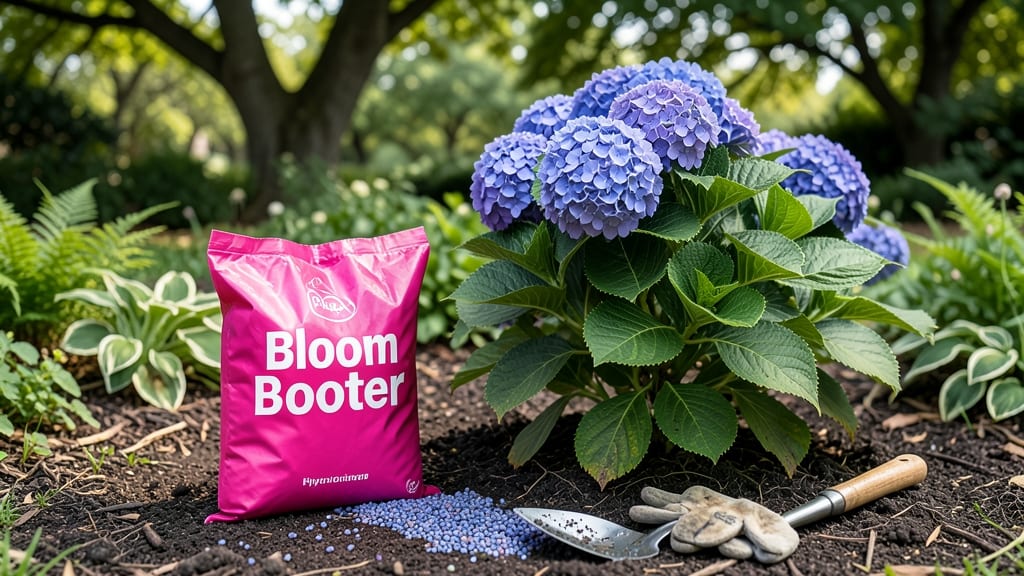
Your flowers deserve a fertilizer that delivers longer, brighter blooms—not just leafy greenery. 🌸 Bloom fertilizer is the secret weapon behind my neighbor-jealousy level roses and hydrangeas that stay vibrant for months, and it’s easier to use than you think.
The magic happens when you feed flowers phosphorus and potassium—the nutrients that trigger blooming, not just growth. Synthetic options deliver fast results, while organic versions build soil health over time.
I’ve tested both, and the right choice depends on your plants’ needs and how quickly you want to see results. Start by applying bloom fertilizer when buds form and repeat every 4-6 weeks during the blooming season.
For roses, I switch to a low-nitrogen formula to avoid leafy growth at the expense of flowers. Annuals and perennials respond well to a balanced feed, but timing is everything—too early, and you get foliage; too late, and blooms fizzle.
Whether you’re growing cutting gardens, container flowers, or landscape beds, this precision feeding works. The key is consistency—skip a feeding, and you’ll notice the difference in fewer, smaller blooms. Let’s get those flowers popping!
📚 In This Guide
- What you need
- Instructions
- Tips and common mistakes
- Wrapping up and next steps
What you need
- ● Bloom fertilizer: Choose a balanced, phosphorus-rich formula (e.g., 10-20-10 or 5-10-5 NPK ratio). Quantity: 1–2 tablespoons per gallon of water (or as directed on the label).
- ● Water: 1 gallon (or enough to cover the fertilizer ratio). Use room-temperature water for best absorption.
- ● Measuring tools: Measuring cup or spoon (for precise fertilizer dosing).
- ● Garden sprayer or watering can (with a fine-mist nozzle for even distribution).
- ○ Gloves and safety goggles: Optional but highly recommended to protect your skin and eyes from fertilizer residue.
- ● Epsom salt (magnesium sulfate): 1 tablespoon per gallon—boosts chlorophyll production and enhances bloom color.
- ● Compost or worm castings: ½ cup per gallon for added organic nutrients and microbial activity.
- ● pH test kit: Ensures your soil is in the ideal range (6.0–7.0) for nutrient uptake.
- ● Morning or late-afternoon timing: Best time to apply fertilizer to avoid leaf burn from midday sun.
Step-by-Step guide to feeding flowers for maximum bloom performance
Here's how to apply bloom fertilizer like a pro—no guesswork, just science-backed results.
🌿 Step 1: Understand Your Flower's Nutritional Needs
Most flowering plants thrive on a balanced 10-10-10 or 20-20-20 NPK ratio during active growth, but switch to a higher phosphorus (P) formula (like 5-10-5 or 7-9-5) once buds form. Phosphorus is the bloom booster—it fuels root development and flower production. Test your soil first if possible; many gardeners skip this and end up over-fertilizing, which burns roots and stunts blooms.
I always check the fertilizer label for micronutrients like magnesium and calcium—deficiencies show up as yellowing leaves or weak stems. If your fertilizer lacks these, add a chelated micronutrient supplement every 4-6 weeks. The key is feeding with the plant's growth cycle, not against it.
💧 Step 2: Apply Fertilizer at the Right Growth Stages
Start feeding when new growth appears (usually 2-3 weeks after planting). Use half-strength fertilizer the first time to avoid shocking the roots. Water the soil deeply 24 hours before applying—this ensures nutrients distribute evenly and prevents salt buildup on root surfaces. I like to fertilize every 2-3 weeks during the growing season, but cut back to once a month once flowers appear to prevent excessive foliage at the expense of blooms.
Timing matters most: Never fertilize stressed plants (wilting, diseased, or newly transplanted). Wait until they show new leaf growth—that's your signal the plant is ready. For container flowers, I mix fertilizer into the soil at planting, then switch to liquid feeds for precision. Here's the thing—overfeeding is easier than underfeeding, and most gardeners err on the side of too much.
☀️ Step 3: Choose the Right Application Method
For granular fertilizers, spread evenly over the soil surface and water in deeply. I use a spreaders for large beds to avoid clumping, and always keep granules 2-3 inches away from stems to prevent burn. For liquid fertilizers, dilute to the label's strength and apply to moist soil—never dry. Water again lightly after application to help nutrients penetrate.
Slow-release fertilizers (like Osmocote) are my go-to for perennial flowers—they feed steadily over 3-6 months, reducing the risk of overapplication. If you're using organic options (like fish emulsion or bone meal), apply more frequently (every 2 weeks) because they break down quickly. The goal is consistent, low-dose feeding—not a single heavy dose that wastes nutrients.
✂️ Step 4: Monitor and Adjust for Optimal Results
Watch for leaf color changes—dark green means healthy growth, but purple tinges signal phosphorus deficiency, while yellowing often means nitrogen overload. Adjust your fertilizer ratio accordingly: more phosphorus for blooms, less nitrogen to prevent leafy growth at the expense of flowers. I keep a garden journal to track which fertilizers work best for each plant—what thrives on one may flop on another.
Reduce feeding 6-8 weeks before the first frost to let plants harden off. For container flowers, flush the soil with water once a month to prevent salt buildup—a common issue that stunts growth. If you notice weak stems or small blooms, it’s often a sign of underfeeding (especially phosphorus) or overwatering (which dilutes nutrients). The fix? A balanced feed and slightly drier soil.
⏰ Step 5: Extend the Blooming Season Strategically
To prolong blooms, deadhead spent flowers (remove faded blooms) and feed lightly every 4-6 weeks with a low-nitrogen, high-phosphorus formula. This encourages new buds to form instead of seeding. For annuals, I switch to a bloom-boosting fertilizer (like 5-10-5) once flowers start appearing. Perennials benefit from a fall application of bone meal (high in phosphorus) to fuel next year’s blooms.
Real talk: No single fertilizer works for all flowers. Petunias and geraniums love frequent feeding, while roses and peonies prefer deep, slow-release nutrition. Tailor your approach—observe, adjust, and repeat. The best blooms come from consistent care, not just one-time feeding.
Tips & tricks for precision flower feeding
Between us, these small adjustments make all the difference when you're working with bloom fertilizers—especially for those finicky flowering plants.
Soil Testing First: That 24-hour deep watering before fertilizer application in Step 2 isn't just about moisture—it's a diagnostic test. After watering, check the soil's drainage by pressing your finger into it. If water pools at your fingertip, your soil has poor drainage and needs amending with perlite or sand before fertilizing. Proper drainage prevents nutrient runoff, which wastes your fertilizer and can harm nearby plants. I've seen gardeners skip this and end up with nutrient-deficient soil despite regular feeding.
Granular Application Technique: When using granular fertilizers in Step 3, I swear by the "V-method" for large beds: spread half the fertilizer in a V-shape, then spread the second half perpendicular to the first. This creates even coverage without clumping. For containers, I use a small hand spreader to distribute granules evenly across the soil surface. The key is keeping granules 2-3 inches from stems—this prevents burn while ensuring roots get access to nutrients. Over time, I've noticed plants fertilized this way develop stronger root systems and more vibrant blooms.
Micronutrient Timing: Those chelated micronutrient supplements mentioned in Step 1 should be applied at the same frequency as your main fertilizer—every 4-6 weeks. I've found that applying them separately (rather than mixing with other fertilizers) gives plants better control over nutrient uptake. For example, magnesium supplements work best when applied to moist soil in the morning, while calcium supplements are more effective in the afternoon. This timing difference helps prevent nutrient competition in the soil.
Seasonal Adjustments: The 6-8 week reduction before frost in Step 4 is crucial, but don't stop there. For container plants, I recommend moving them to a sheltered location after the first frost and continuing with a very light feeding (about 25% strength) every 6 weeks through winter. This maintains root health without encouraging new growth that might be damaged by cold. I've seen many gardeners completely stop feeding in fall, only to find their plants struggling the following spring.
Pro Tips for Bloom Fertilizer For Flowers
- Between us, these small adjustments make all the difference when you're working with bloom fertilizers—especially for those finicky flowering plants.
- Soil Testing First: That 24-hour deep watering before fertilizer application in Step 2 isn't just about moisture—it's a diagnostic test.
- Granular Application Technique: When using granular fertilizers in Step 3, I swear by the "V-method" for large beds: spread half the fertilizer in a V-shape, then spread the second half perpendicular to the first.
Frequently asked questions
Got questions about bloom fertilizer? You’re not alone!
Here are the most common concerns—plus expert answers to help you grow show-stopping flowers with confidence.
When is the best time to apply bloom fertilizer?
Apply bloom fertilizer early in the growing season (spring for most plants) and again mid-season (every 4–6 weeks) for continuous blooms. Avoid fertilizing late in the season—it can encourage tender new growth that won’t survive frost. For container plants, feed every 2–3 weeks during peak bloom time.
Can I use bloom fertilizer on all types of flowers?
Most bloom fertilizers work for annuals, perennials, and container flowers (like petunias, geraniums, or impatiens). However, avoid high-phosphorus fertilizers for bulbs (like tulips or daffodils)—they thrive with a balanced or bulb-specific formula. Always check the label for plant-specific recommendations!
What happens if I over-fertilize my flowers?
Over-fertilizing can cause leaf burn, stunted growth, or fewer blooms due to salt buildup in the soil. If you suspect overfeeding, flush the soil with water to leach excess nutrients, and reduce future applications by half. Stick to the recommended dosage—more isn’t always better!
Is organic bloom fertilizer as effective as synthetic?
Both work, but they feed flowers differently. Synthetic fertilizers provide immediate, concentrated nutrients (great for quick results), while organic options (like compost or fish emulsion) release nutrients slowly, improving soil health long-term. For container plants, synthetics may be more convenient; for garden beds, organic blends often yield healthier roots.
Why aren’t my flowers blooming even after using bloom fertilizer?
Check these common culprits:
- Light levels: Some flowers (like roses or orchids) need 6+ hours of sunlight daily.
- Watering: Overwatering can drown roots; underwatering stresses plants.
- Pruning: Deadheading (removing spent blooms) encourages new growth.
- Timing: Some perennials (e.g., peonies) bloom early—fertilize before they sprout.
Wrapping up and next steps
Choosing the right bloom fertilizer for flowers is your secret weapon for a garden that bursts with color and vitality! 🌸 Whether you’re nurturing roses, hydrangeas, or annuals, precision feeding ensures longer, brighter blooms—without the guesswork.
With the right nutrients and timing, you’re not just growing flowers; you’re crafting a thriving, show-stopping display.
Ready to transform your garden? Start by selecting a fertilizer tailored to your plants’ needs, then apply it with confidence. Your next step? Grab your gloves, head outdoors, and watch your blooms shine brighter than ever! 🌺