
Blooming
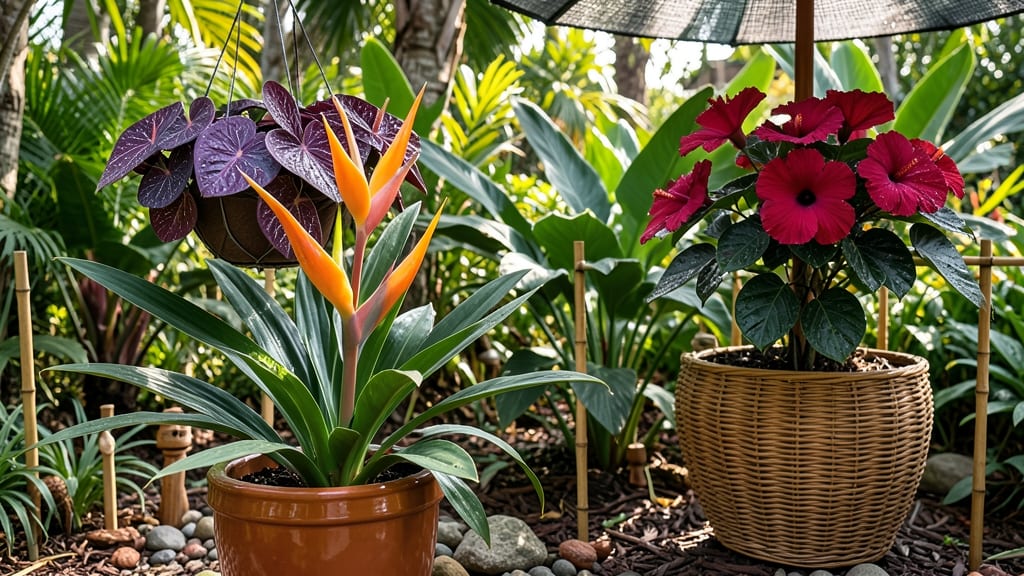
Perennial flowers that bloom all year need frost-free conditions and thrive with varieties like Zinnias, Lantana, and Hibiscus, which demand regular watering, well-draining soil, and careful pruning. Cold-resistant options like Lavender or Russian Sage adapt better to seasonal changes in cooler climates.
Year-round blooming perennials are all about matching the right plants to your climate. 🌸 In warmer regions, tropical varieties like Plumeria or Bougainvillea can flower continuously with minimal care, while in milder zones, you might need to layer different blooming seasons—think early spring Crocus followed by summer Coneflowers.
The key is understanding each plant's natural rhythm: some need deadheading to encourage new growth, while others benefit from a light winter trim to prevent legginess. I've found that creating a "bloom calendar" for your garden helps track which plants need attention when, ensuring no gaps in your floral display.
Don't forget that soil health plays a huge role—amending with compost or organic matter improves drainage while providing nutrients that support continuous blooming. 🌿 For example, Hibiscus loves rich, slightly acidic soil, while Lavender thrives in lean, well-draining conditions.
Regular feeding with a balanced fertilizer (like 10-10-10) during peak growing months can make all the difference in keeping your perennials producing flowers nonstop.
💡 In This Article
- Climate Zones and Perennial Flowers for Year-Round Blooms
- Year-Round Bloom Maintenance: Pruning, Fertilizing, and Pest Control
Climate zones and perennial flowers for year-round blooms
Temperature is the single most critical factor determining which perennials can bloom continuously. In USDA Zone 10 and above (frost-free areas), tropical varieties like Plumeria or Bougainvillea thrive year-round because their biological clocks aren't triggered by seasonal temperature drops.
These plants evolved in environments where warmth persists, allowing them to maintain active growth and flowering cycles without dormancy. 🌺 The key mechanism here is their lack of cold-induced dormancy—unlike temperate perennials, they don't enter a resting phase when temperatures dip below 50°F.
Humidity levels also play a surprising role. Many continuous-blooming perennials, such as Hibiscus or Lantana, prefer 60-80% humidity to prevent flower buds from drying out before opening. In arid climates, you'll need to supplement with daily misting or mulch to retain soil moisture.
What's fascinating is how these plants adapt: their stomata (pores) close during dry periods to conserve water, which can slow flowering if humidity drops below 40%. This explains why some tropical perennials struggle in desert landscapes without proper irrigation systems.
For cooler climates (Zones 5-8), the strategy shifts to layering cold-hardy perennials with staggered bloom times. Russian Sage (perennial in Zones 5-9) produces lavender-blue flowers from early summer through fall, while Lavender (Zone 5-8) blooms in late spring to early summer.
The trick is creating a 3-4 month bloom overlap by mixing early, mid, and late-season varieties. For example, pairing Coneflowers (summer) with Salvia (fall) ensures continuous color when one variety finishes blooming.
Microclimates offer another layer of control. A south-facing wall can create a 5-10°F warmer zone than the surrounding garden, allowing you to grow marginally hardy perennials like Geraniums (Zone 4-9) in Zone 5 gardens.
Similarly, raised beds with black plastic mulch can raise soil temperatures by 5-8°F, extending the growing season for heat-loving perennials. This is why gardeners in transitional zones often see the most success with continuous blooming—by strategically placing plants in optimal microclimates, you can push their natural limits.
Light exposure is equally critical. Most continuous-blooming perennials require 6-8 hours of direct sunlight daily to maintain vigorous growth and flowering. Zinnias, for instance, will produce 30-50% more flowers when given full sun compared to partial shade.
The photosynthesis process in these plants is particularly efficient under bright light, allowing them to produce more energy for flower production. In shadier conditions, you'll need to supplement with balanced liquid fertilizer (like 10-10-10) every 4-6 weeks to compensate for reduced energy production.
What most gardeners overlook is the role of day length (photoperiod) in flowering. Short-day plants (like Chrysanthemums) need 12+ hours of darkness to trigger blooming, while long-day plants (like Snapdragons) require 14+ hours of light.
Many continuous-bloomers are actually day-neutral, meaning they flower regardless of daylight length—this is why Lantana and Pentas can bloom year-round in tropical zones where day lengths remain relatively constant.