
Blooming
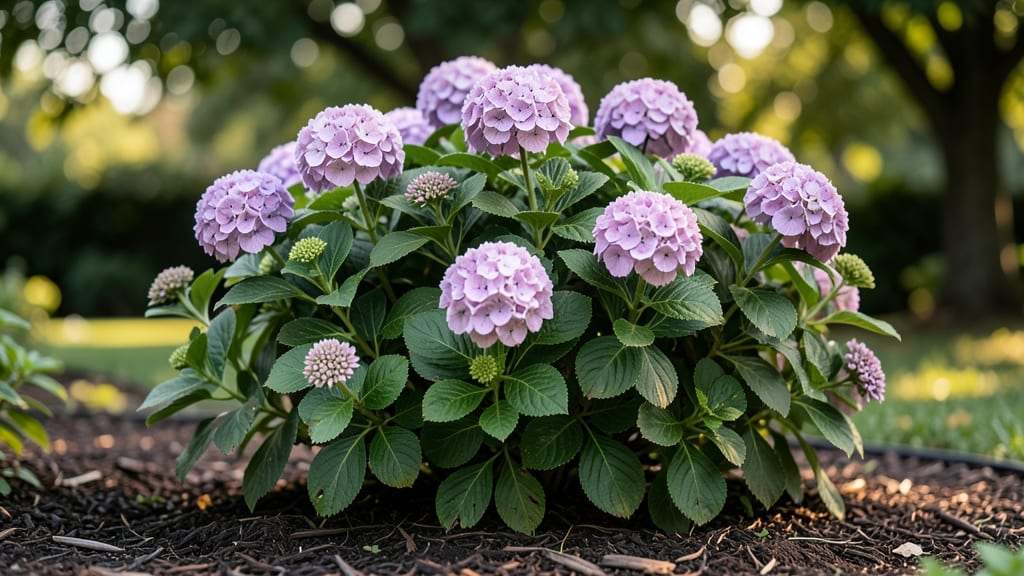
The Bobo hydrangea bloom time runs from late summer into early fall, when its signature purple spikes steal the show in gardens across zones 3–9.
If you’re dreaming of late-summer bursts of vibrant purple spikes, the Bobo hydrangea delivers—but only if you time its pruning just right. This compact, cold-hardy beauty blooms later than most, and a single misstep in pruning can mean missing its showstopping display entirely.
Unlike early-blooming varieties, Bobo’s buds form on new wood, so pruning too early risks cutting off next year’s flowers. The key is waiting until after the first frost or late winter, when the plant is still dormant but before spring growth kicks in.
Below, I’ll break down the exact pruning window, how to shape it for denser blooms, and why partial shade in hot climates keeps those purple spikes coming back year after year.
Bobo hydrangea bloom time: understanding its unique late-season cycle
The Bobo hydrangea is a late-season stunner, bursting into bloom when most hydrangeas have already faded. Unlike its spring-flowering cousins, this compact shrub waits until July through September to deliver its signature vibrant purple spikes.
This delayed bloom cycle isn’t just for show—it’s a survival strategy that makes Bobo hydrangeas thrive in cooler climates and adapt to pruning schedules that other varieties can’t handle.
What sets Bobo apart is its bud formation timeline. While many hydrangeas set buds in late summer for the following spring, Bobo forms its buds on new wood—meaning they develop in early spring from fresh growth.
This makes its pruning window critical. If you prune at the wrong time, you risk cutting off next year’s blooms before they even form. Understanding this cycle is key to unlocking its full potential.
Here’s how climate zones (3–9) influence bloom timing. In warmer zones (7–9), Bobo hydrangeas often bloom earlier, starting as early as June, while in cooler zones (3–6), the bloom period may stretch into late September.
The length of your growing season and last frost date play a huge role in determining when to expect those showstopping purple cones to appear.
| Stage | Timeline | Key Actions | Climate Impact |
|---|---|---|---|
| Bud Formation | Early Spring (March–April) | Avoid pruning; buds form on new growth | Warmer zones: buds appear 2–3 weeks earlier |
| Bloom Window | July–September | Prune spent blooms in late summer for next year | Cooler zones: extends to October |
| Post-Bloom Care | October–November | Light pruning to shape; mulch for winter | Zone 3–4: protect with burlap if needed |
| Winter Dormancy | December–February | No pruning; wait for new growth | Zone 9: minimal dormancy; may bloom year-round |
The three critical stages of Bobo’s bloom cycle—bud formation, peak bloom, and post-bloom care—each require a different approach. During bud formation (March–April), resist the urge to prune. This is when the plant sets next year’s flowers on new wood, and aggressive cuts can remove potential blooms.
Instead, focus on light fertilization and consistent watering to support early growth.
When the bloom window (July–September) arrives, your Bobo hydrangea will reward you with dense clusters of purple flowers that last for weeks. This is also the time to prune spent blooms—but only after they’ve faded.
Cutting too early can stimulate new growth that won’t have time to harden off before winter. In warmer climates (zones 7–9), you might even see a second flush of blooms if conditions are ideal.
After the blooms fade, post-bloom care is essential for next year’s performance. Lightly prune to remove dead or weak stems and shape the shrub, but avoid heavy cuts. Apply a 2–3 inch layer of mulch to insulate roots and retain moisture.
In cooler zones (3–6), this step is especially important to protect against early frosts that can damage tender new growth.
One common mistake gardeners make is pruning in late winter or early spring when Bobo is still dormant. Since its buds form on new wood, cutting back too early removes next year’s flowers.
Instead, wait until late winter (just before bud break) or post-bloom (after September) to prune. This timing ensures you’re only removing old wood and shaping the plant without sacrificing future blooms.
If you’re in zone 9 or higher, your Bobo hydrangea might bloom year-round with minimal dormancy. However, even in warm climates, late summer pruning is still recommended to encourage a fresh flush of blooms in fall.
In contrast, gardeners in zones 3–5 should focus on protecting the plant during winter and pruning just after the last frost to avoid damaging new growth.
To maximize bloom time, pay attention to light and soil conditions. Bobo hydrangeas thrive in partial shade (4–6 hours of sun daily), especially in hot climates where afternoon shade prevents stress.
Amend your soil with organic matter like compost to improve drainage and fertility. A slightly acidic soil (pH 5.5–6.2) also encourages vibrant purple blooms—add sulfur or peat moss if your soil is alkaline.
Finally, don’t forget that patience is key with Bobo hydrangeas. In their first year, they focus on root and foliage growth rather than blooming. It’s not until year two or three that you’ll see those showstopping purple spikes at their full potential.
With the right care, your Bobo will become a late-summer garden star that keeps giving long after other hydrangeas have faded.
When to prune Bobo hydrangeas for maximum purple spikes (step-by-step guide)
The Bobo hydrangea thrives on precise pruning timing to produce its signature late-summer purple spikes. Unlike other hydrangeas, it blooms on new wood, meaning you must prune at the right time to avoid cutting off next year’s flowers.
Most gardeners make the mistake of pruning too early or too late, which can leave their plants flowerless.
Your pruning window is critical: late winter to early spring (just before new growth appears) is the safest bet for most USDA zones 3–9.
However, if you live in a warmer climate (like zones 8–9), you might see early spring growth as early as February, signaling it’s time to prune.
Here’s how to prune for maximum blooms—without sacrificing next year’s display:
Step-by-Step Pruning Guide for Bobo Hydrangeas
-
Step 1: Wait for Dormancy
Prune in late winter (February–March) or early spring (before buds swell). Avoid pruning in fall, as this can stimulate new growth that won’t survive frost. -
Step 2: Cut Back by 1/3
Remove 1/3 of the oldest stems (the thinnest, least productive ones) to encourage new, vigorous growth. Use clean, sharp pruners to make 45-degree cuts just above a bud or leaf node. -
Step 3: Shape for Density
Trim spent blooms in late summer (after flowering) to encourage next year’s buds. Avoid heavy pruning—just snip back to the first set of healthy leaves below the bloom. -
Step 4: Avoid These Mistakes
❌ Never prune in fall (new growth won’t survive winter).
❌ Don’t cut back to the ground—this removes next year’s flower buds.
❌ Skip deadheading—it’s essential for repeat blooms!
If you’re in a cooler climate (zones 3–6), delay pruning until March or April to avoid frost damage to new growth. In warmer zones (7–9), prune in February to give the plant time to recover before summer heat.
Always prune on a dry, overcast day to reduce stress on the plant.
After pruning, apply a 2-inch layer of mulch around the base to retain moisture and protect roots. Water deeply once a week during the first growing season to help the plant establish strong roots for next year’s blooms.
With the right timing, your Bobo hydrangea will reward you with dense, vibrant purple spikes from July through September—making it the star of your late-summer garden. 🌸