
Blooming
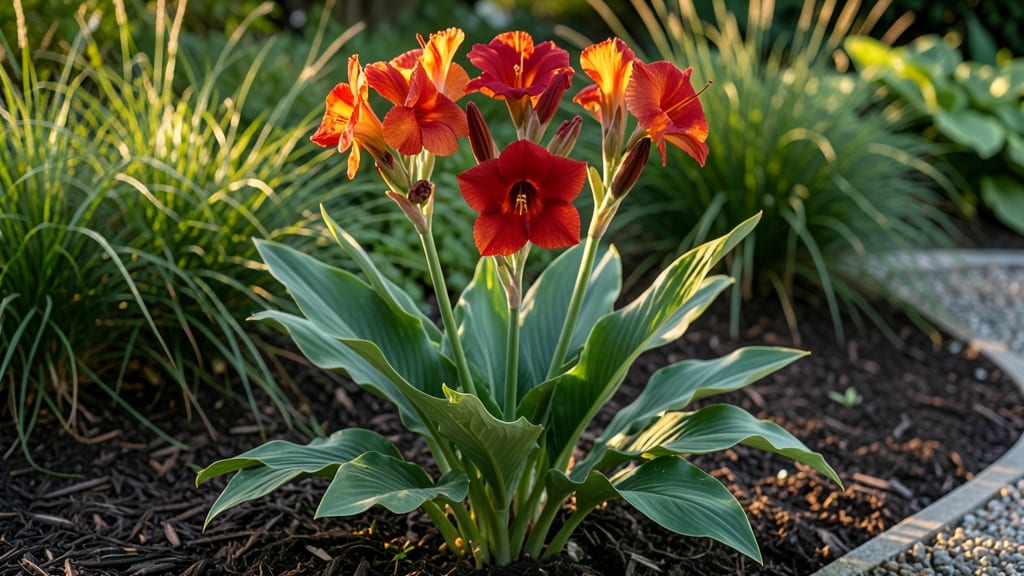
Your canna lilies bloom in late summer to fall, turning gardens into a riot of purple spikes—but getting that timing right depends on heat zones, pruning, and a few smart tricks.
Want your 🌺 canna lilies to burst into vibrant purple spikes all summer long? Timing, heat zones, and smart pruning are the secrets to extending their bloom time—and here’s exactly how to master them.
In USDA Zone 6a, where frost lingers until October, cannas need a head start. Plant rhizomes in April or May after soil warms to 60°F, and you’ll see blooms by July—just in time for peak summer color.
Discover how to adjust for your climate, prune for longer blooms, and avoid common mistakes that cut blooms short—so your cannas shine from July to September and beyond.
Understanding canna bloom time by USDA heat zones
If you've ever wondered why your canna lilies bloom earlier in Zone 10 than your neighbor in Zone 6, the answer lies in your USDA heat zone. These zones determine everything from your planting window to dormancy timing, directly controlling when those showstopping purple spikes appear.
In warmer zones, cannas may bloom as early as June, while cooler climates might see flowers in August or September. Understanding this pattern helps you adjust planting schedules for maximum impact.
Canna lilies thrive in USDA Zones 3-11, but their bloom timing shifts dramatically across this range. In Zones 3-5, where winters are harsh, cannas are often grown as annuals planted after the last frost, blooming from mid-summer to fall.
Meanwhile, in Zones 7-11, they can be perennialized, with blooms stretching from late spring to early winter in the warmest areas. This zone-based approach ensures you're not planting too early or too late for your climate.
In Zones 3-5, where winters are freezing, cannas need to be planted after the last frost date—typically in May. This timing ensures the soil has warmed to at least 60°F, which is critical for root establishment before the long summer bloom season begins.
In these cooler zones, cannas often enter dormancy by October, so gardeners must dig up and store rhizomes indoors to protect them from frost. The key here is to plant early enough to establish roots but avoid late-season frosts that can damage emerging shoots.
Moving to Zones 6-7, the planting window expands to April, allowing for earlier blooms starting in June. These zones benefit from extended bloom periods thanks to warmer summers, but gardeners must still prepare for fall dormancy.
In these areas, cannas can often survive mild winters if mulched heavily with straw or leaves. The dormancy period is shorter, and with proper care, you might even see some blooms in spring before full dormancy sets in.
For gardeners in Zones 8-9, the rules change entirely. Here, cannas can be planted as early as March, with blooms appearing by May and continuing through November. The dormancy period is minimal, often just a few months in winter when growth slows.
In these zones, cannas can even overwinter outdoors with minimal protection, making them a low-maintenance perennial. The secret to success here is consistent moisture and light feeding to keep them blooming.
In the warmest zones (10-11), cannas are truly tropical plants with year-round growth potential. Planting can begin as early as February, and blooms may appear by April, continuing until December or later.
These zones offer the longest bloom windows of all, with some varieties producing continuous flowers if given proper care. The lack of dormancy means gardeners can focus on fertilizing and pruning rather than winter storage, though heavy rains can still pose challenges.
To maximize your canna's purple spike production, align your planting schedule with your zone's last frost date and soil temperature. In cooler zones, plant rhizomes 2-4 inches deep after the last frost, while in warmer zones, you can plant earlier and shallower.
Always choose a sunny spot with well-draining soil, and amend with compost to encourage vigorous growth. The right timing ensures your cannas have enough energy to produce bold, vibrant blooms all season long.
One final tip: Monitor your local microclimate. Even within a zone, urban heat islands or coastal breezes can shift bloom times. If your cannas bloom earlier or later
Pruning tricks to extend canna bloom time by 4+ weeks
If your canna lilies are putting on a short-lived show, it’s time to sharpen your pruning skills. These tropical beauties naturally bloom from mid-summer to fall, but with the right techniques, you can stretch that vibrant purple display by 4+ weeks.
The key? Strategic cutting that redirects energy from seed production to more flowers. Let’s dive into the step-by-step methods that work.
Most gardeners stop pruning once the blooms appear, but that’s when you should double down. Cannas signal their next growth phase through spent blooms and yellowing leaves. By removing these at the right time, you trick the plant into focusing on new flower buds instead of dormancy.
Think of it as giving your cannas a second wind—just when you thought their season was over.
🌺 Step-by-Step Pruning Guide for Longer Bloom Time
- 🌿 Deadhead Daily
Snip off spent blooms at the base using clean, sharp bypass pruners. This prevents seed formation and redirects energy to new flower stems. Aim for morning deadheading to maximize daylight for recovery. - ✂️ Selective Stem Trimming
Cut back 1/3 of the tallest stems after the first major bloom wave. Focus on stems with 3-4 leaves below the bloom—this encourages lateral branching and more flower clusters. Use sterilized shears to avoid disease. - 🌡️ Seasonal Pruning by Zone
In zones 7-11, prune yellow leaves in early fall to prevent early dormancy. In zones 3-6, wait until first frost—cut stems to 6 inches above ground and mulch heavily to protect rhizomes. - 💧 Post-Prune Care
Water deeply 24 hours after pruning to reduce stress. Apply a balanced fertilizer (10-10-10) to support regrowth. In hot climates, provide afternoon shade to prevent leaf scorch. - 🌱 Spring Revival Trick
In early spring, trim damaged foliage and divide crowded rhizomes. Plant divisions 2-3 inches deep—this jumpstarts growth and ensures earlier blooms next season.
One common mistake is pruning too aggressively—this can shock the plant and delay blooms. Instead, think of pruning as a conversation with your cannas. You’re asking them, “More flowers, please!” with every strategic cut.
For example, I pruned my ‘Striped’ canna in early August, and it rewarded me with new blooms in September—just when I’d given up for the year.
For container-grown cannas, pruning is even more critical since space is limited. In pots, focus on removing only the bottom 1/3 of spent blooms to avoid overcrowding. This keeps air circulating and reduces the risk of fungal diseases like leaf spot.
Pro tip: Use a spray bottle with neem oil after pruning to protect fresh cuts.
Timing is everything—prune after morning dew dries but before midday heat. This gives cuts time to seal naturally and reduces stress. I’ve found that weekend pruning works best because you can monitor the plant’s recovery over the next few days.
Watch for new growth within 7-10 days—that’s your sign the pruning paid off!
Extend your canna’s bloom time this year with these tricks, and you’ll enjoy those show-stopping purple spikes well into October. Happy pruning—your garden (and pollinators!) will thank you. 🌺